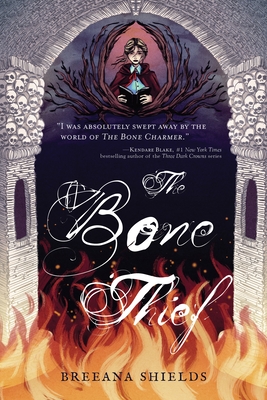
The first in the Thirteen Witches trilogy, this fantasy novel tells the story of Rosie Oaks who survived a witch attack as a newborn baby. She was left though with a mother who cannot love her and can barely care for her at all. Rosie has always known her mother to be this way, so she doesn’t expect anything else. Rosie spends her time reading books and writing her own stories until one day she decides that she is too old for them and burns her stories. That triggers the sight, allowing her to see the ghosts that live all around her. Ebb, a ghost boy, shows her the Witch Hunter’s Guide to the Universe, a book her mother hid that contains all she knew about the thirteen witches that control the world. Rosie discovers that her mother has been cursed, her memories stolen by the Memory Thief, a witch who may be the weakest but is also unstoppable. As Rosie learns more about the witches, her mother’s curse, family secrets and friendship, she realizes that she is the one who must now hunt the witch but at what cost?
Anderson has written a unique fantasy novel where witches are profoundly powerful beings, able to steal memories, stop time, and inflict curses. The world building is skillfully crafted, offering a world parallel to our own where a ladder goes to the moon, where ghosts exist and strive to head to the Beyond, and where witch hunters have magical weapons they craft themselves. Through Rosie, readers get to experience the wonder of discovering that world as well as feel the tragedy of her mother’s curse deeply too.
Anderson populates her book with characters who are fascinating and worthy of their own novels. There is Ebb, the ghost boy who has his pet ghost spider and who befriends Rosie when she needs it most. There is Germ, Rosie’s only friend, who loves Rosie and can see ghosts suddenly just like Rosie can. There is the Murderer, an angry ghost with his own tragic story who Rosie discovers holds the secret to her own survival as an infant. The Memory Thief herself is a fascinating mix of tragedy, danger and horror.
A great start to a new fantasy trilogy, this book mixes ghosts, magic and witches into something spectacularly new. Appropriate for ages 9-12.
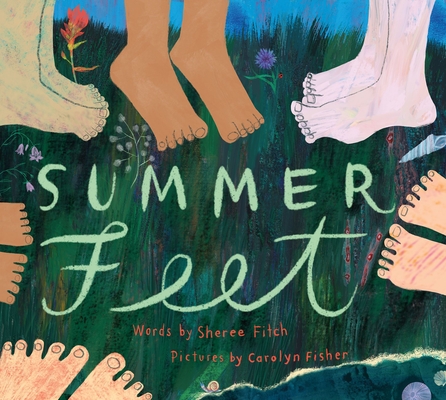
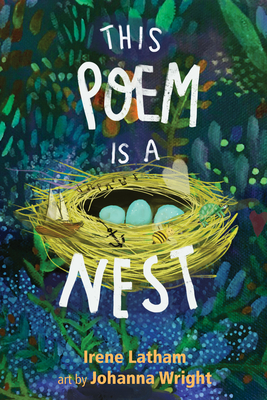
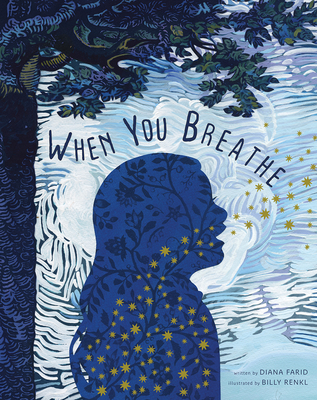
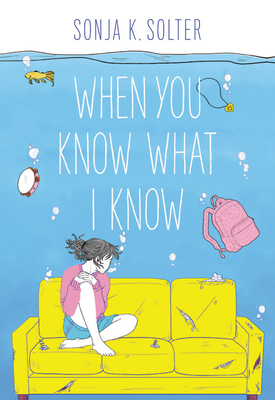
School Library Journal has announced the selected books for the annual list from the NCTE Excellence in Children’s Poetry Award Committee that are their picks for the best poetry books and verse novels of 2020. The list contains 25 books of poetry and 13 verse novels. The list focuses on ages 3-13 and feature books that are notable for their use of language and poetic devices. Here are the notable titles:
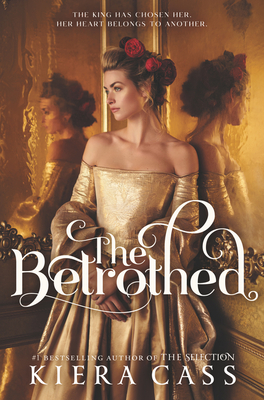
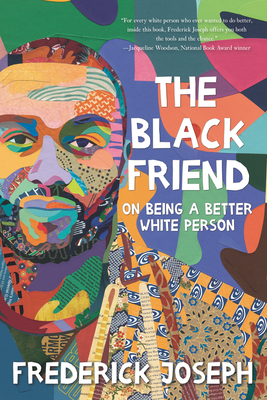
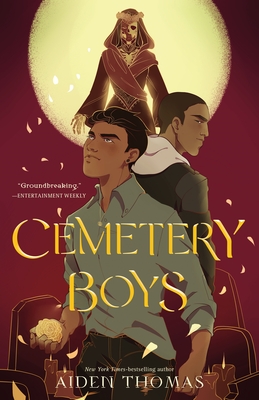
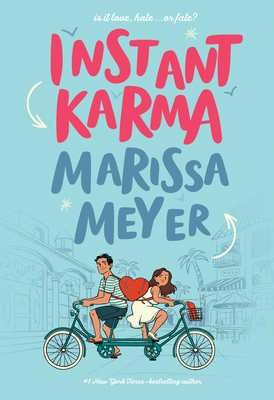
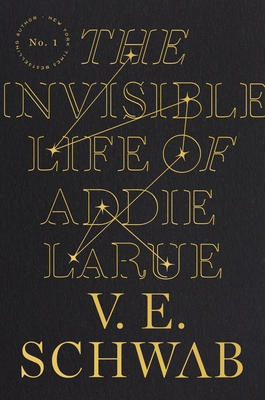
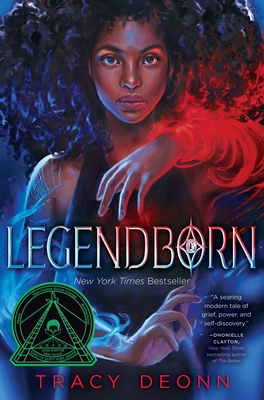
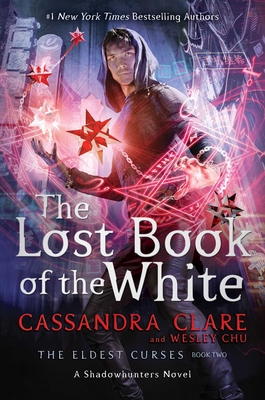
YALSA has announced the nominees for the 2021 Teens’ Top Ten. The Top Ten is a list chosen by teens where teens nominate and choose their favorite books of the previous year. Nominations come from members of teen book groups in 15 school and public libraries across the nation. Here are this year’s nominees:
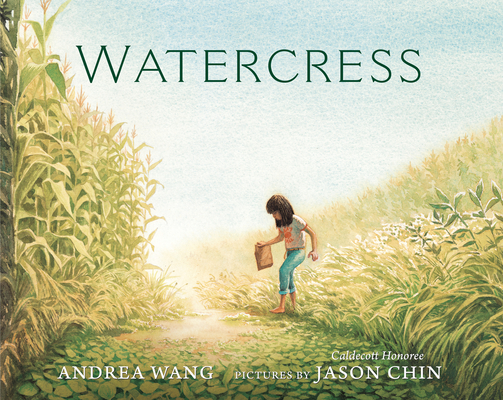
Watercress by Andrea Wang, illustrated by Jason Chin (9780823446247)
Riding in their old car along a rural Ohio road, a young girl’s parents come to a stop when her mother spots something growing in the ditch. It’s watercress, so the entire family gets out and starts to harvest it into a paper bag. The girl finds it embarrassing to be in the ditch gathering free food, while her parents are remembering their time in China. The water in the ditch is cold and muddy, the watercress has snails among its roots. The girl finds herself partially hoping that the bottom of the paper bag falls through and this can just be over. That night, the family has the watercress for dinner, but the girl refuses to even try it. She wants food from the grocery store, not free food from a ditch that reminds her of furniture taken from the side of the road and hand-me-down clothes. Then her mother shares a story from China about her younger brother who died from not having enough to eat. The girl is inspired by her family’s history and ashamed of how she has been acting, so she tastes the watercress for the first time, a taste that builds new memories.
The writing in this picture book is exceptional. With delicate poetic words, Wang creates layers in her story. She weaves both the experience of shame for the young girl and the melancholy memories of China for her parents together into a story of generations in a Chinese-American family. From the previously unshared stories of her parents time in China to learning not to be ashamed of the way they live, this book will resonate for so many children.
Caldecott Honor winner, Chin pulls together images of China and Ohio in this book. By putting tall cornstalks against tall bamboo, the images are gateways to one another. The use of yellow to light the pages, works both in sunshine in Ohio and the sepia of memory in China. It is all so beautifully done, so well designed.
One of the best picture books of the year, this book reaches across generations and finds hope. Appropriate for ages 5-7.
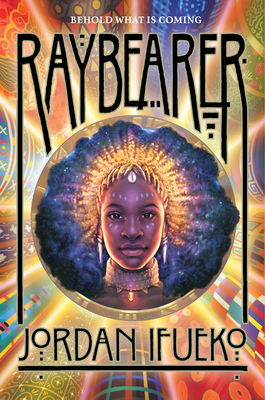
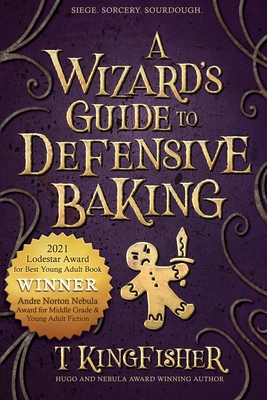
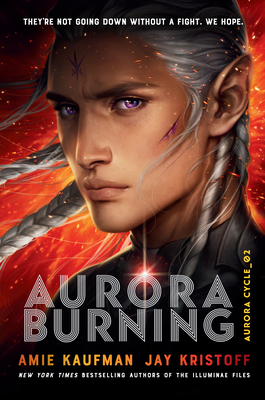
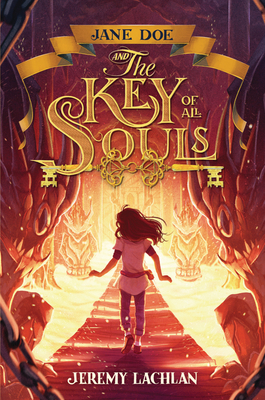
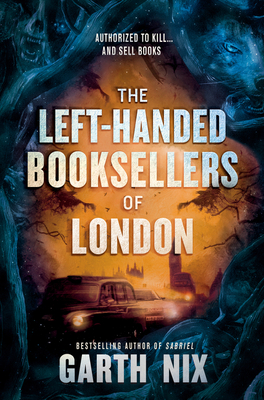
The finalists for the 2021 Hugo Awards have been announced. Amid many categories celebrating the best in science fiction for adults, there is also an award for the best YA book. Here are the finalists in that category:
On their annual beach vacation, a teen and her family experience an unusual summer. It’s a summer of time spent sailing and swimming. A summer full of competitive tennis games, shared meals, and naps. It was also a summer of new love, hot crushes, and strange boys. It was the summer when the Godden brothers arrived. Kit was the golden brother, impossibly handsome and entirely intoxicating when he turned his attention on you. Hugo was the darkness to his brother’s shine, the surliness to his charm. As the narrator watches, her sister and Kit become involved, flirting at first and then becoming more and more. What should be just a summer fling has an underpinning of unease and manipulation, just in time for Kit to turn his attention to the narrator who by now should know better. But even then, he has more chaos to create.
Printz Medal winner, Rosoff has created a slim volume that is impossible to put down. It has the languid and flowing feel of Kit himself, drawing readers in with promises of summer fun and then turning into something quite unusual, dark and menacing. The book is a great coming-of-age story where readers get to see a young woman realize what is happening around her and yet not quite be able to stop it from engulfing her as well. The narrator is never named, but all is seen and felt through her own experiences, making it an intensely personal read.
The writing is exceptional. Rosoff quietly and carefully seeds doubts with the words she chooses to use in describing the characters, the things that the narrator sees, and the questions that she has deep down. Rosoff situates us all with a rather unreliable narrator, who sees her siblings and family in a specific way, then along with the reader has new realizations about them and what that means.
Sun drenched, threatening and vibrantly feminist this is a triumph of a book. Appropriate for ages 14-18.








 Waking Brain Cells