The Horror Writers Association has announced the nominees for the 2025 Bram Stoker Awards which recognize achievement in horror writing. The award has a variety of categories including screenplay, graphic novel, nonfiction and age categories for fiction. Here are the nominees for the youth categories:
SUPERIOR ACHIEVEMENT IN A MIDDLE GRADE NOVEL NOMINEES
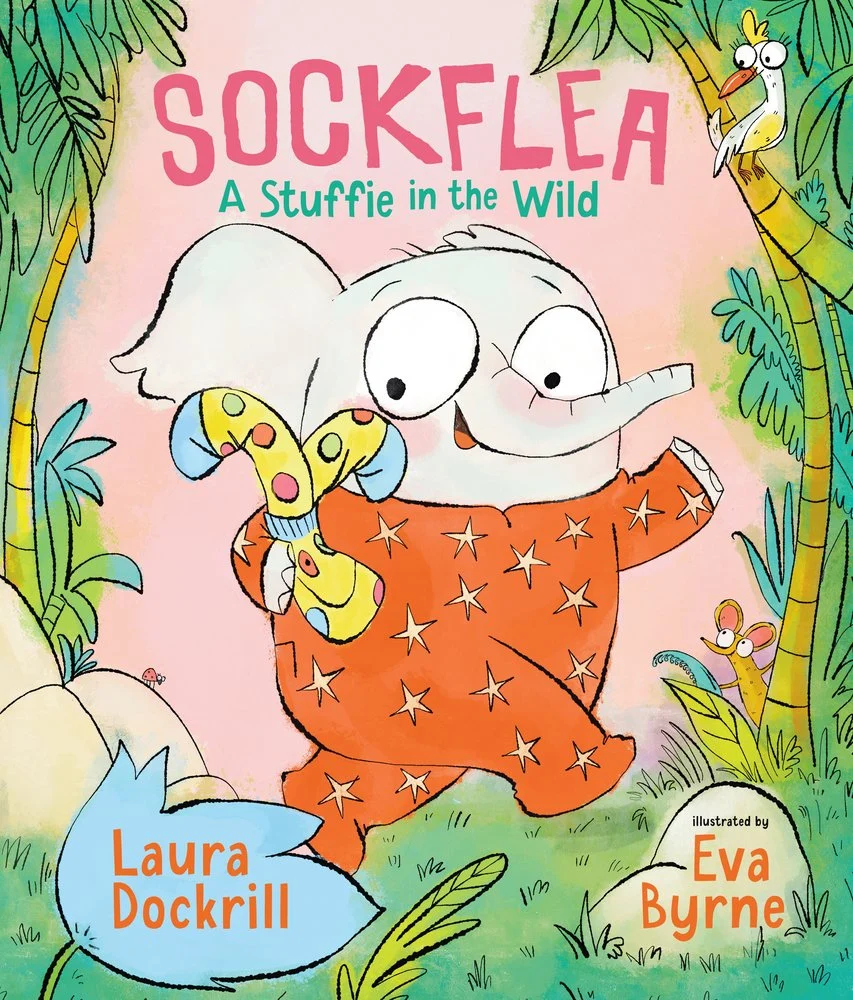
Bob knows that he is the biggest, strongest and smartest bear in the world, and he made sure that everyone in the forest knew that too. Bob loved to talk about himself and brag endlessly about his brawn and his brains. Then Bill came to the neighborhood. Bill loved to ask others about themselves. He asked lots of questions and got lots of answers. Bob spent his time making fun of Bill and explaining that he was still the top bear. Everyone loved chatting with Bill and one another, so when blustery Bob showed up to ask who the “biggest, strongest and smartest Bear in the whole wide world” no one noticed. But Bill did, and Bill started asking Bob questions about himself. And it turns out that even braggy blowhards like Bob like to be asked about themselves and need a few friends too.
Told in an engaging way with speech bubbles and simple lines, this picture book shows that curiosity about others works far better than bragging or selling yourself to them. The contrast between Bob the Bear and Bill the Badger could not be more clearly drawn. I enjoyed that rather than a comeuppance in the end, Bob changed his ways and started finding out about others too. The illustrations are bright and merry, the speech bubbles colored to make them all the more clear for young readers.
Bullying Bear meets bright Badger in this book. Appropriate for ages 3-5.
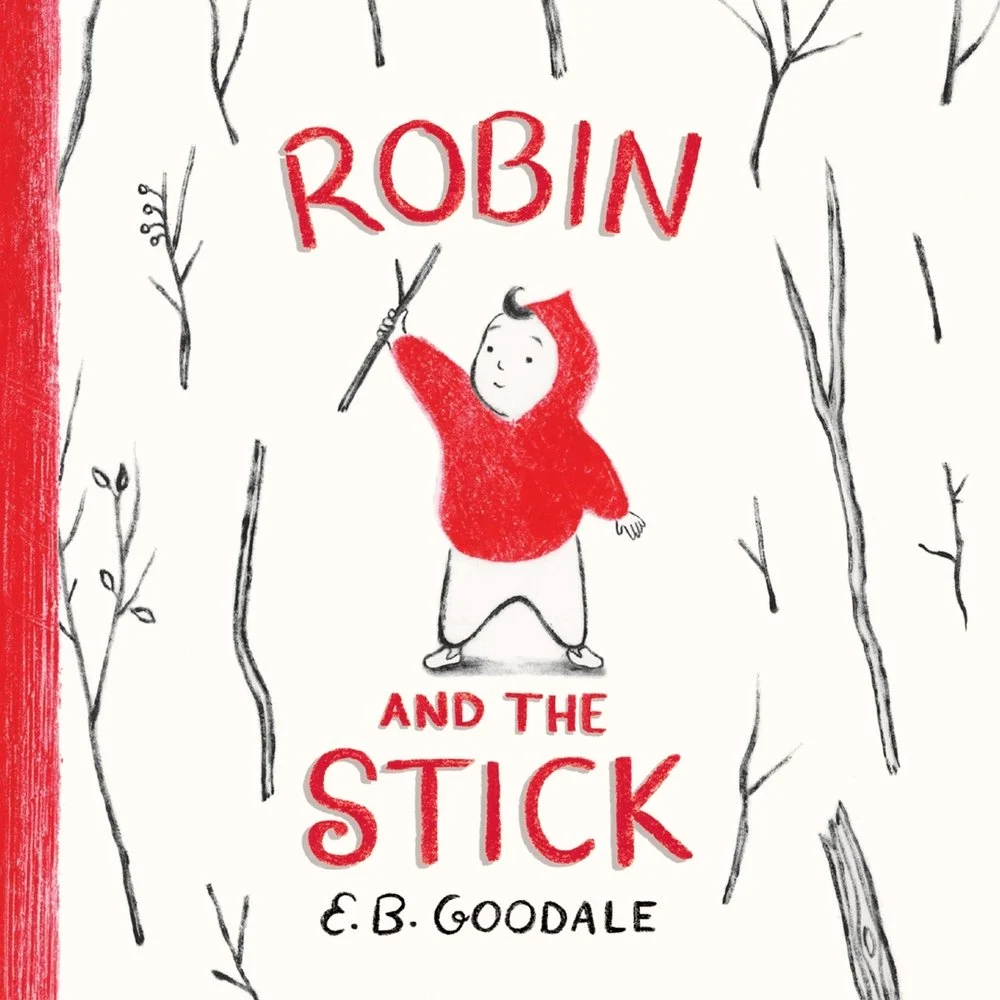
Forty is a paper fortune teller dropped on the ground when the school bell rang. She’s not sure what to do until she meets Chip, a partially eaten potato chip who plans to escape to Canada in order to not be completely eaten by the kids. When the two discover a bolt on the ground that has fallen off of the playground slide, they decide they must venture across the huge playground to fix it before someone gets hurt. But their journey is full of dangers, happily Forty’s fortunes seem to come true! Perhaps they can manage to get the bolt replaced before the bell rings for recess or the fortunes run out.
This picture book offers a graphic novel feel that makes it marvelously modern while focusing on timeless schoolyard elements of playground equipment, basketballs, potato chips, gum and fortune tellers. The text is superb silliness, leaning hard into the fortunes being whacky and then coming to life. Readers will delight in realizing they have no idea what is coming next. The illustrations create a friendly vibe, using interesting perspectives that add to the wild situations the story has created.
A mad and magical playground adventure. Appropriate for ages 4-6.
Mychal is well known for his inspiring take on libraries that he shares widely and with great joy. His first book embraces a child’s experience at their library, explaining openly that the library is a place they will always belong. No matter what their family or home looks like. He looks beyond books to the other services that children can experience at the library like board games, cooking and story time. The book finishes with getting your own library card and hoping you will come back to the library soon.
Written in simple and welcoming prose, this picture book shines with Mychal’s signature approach to welcoming diverse patrons and children to our libraries. It is perfect to share with young field trips visiting the library for the first time as well as with new families visiting. Even children who have been coming to the library for years will see themselves welcomed afresh to their library. The illustrations are simple and welcoming too, filled with bright colors and diverse faces.
Told in questions and answers, this picture book celebrates the changing of the seasons. Spring is at its most elusive here, as it appears like it’s arrived due to the flowers, the buds on the trees, and the birds returning. But the wind can turn icy and the clouds return. The animals stay cozy in their homes. Late snow falls on the flowers. Then, change comes again with bright sunshine that melts the snow and the animals leave their dens. Now it is spring.
Henkes, a Wisconsin book creator, captures the essence of a northern spring in his latest book. As always, his book is wonderfully approachable for even the youngest of children, showing how changeable weather and seasons can be while longing for the warmth of a new season to arrive. Readers will love the various small animals that experience spring’s arrival as well as one small child who is longing for the sun to come.
A warm and lovely look at spring’s changeability. Appropriate for ages 1-4.
Nane Sarma lived in Iran. Every spring, her friend Uncle Nowruz would arrive to announce the arrival of spring. Yet she always managed to miss his visit. This year she invited her grandchildren to help her welcome Uncle Nowruz. They cleaned the house, purchased items for the Haft-Seen table, and bought new clothes. Nane cooked the traditional meal, set the beautiful table and gathered with her grandchildren. But she was so exhausted by all the work, she fell fast asleep and the children couldn’t wake her! When Uncle Nowruz arrived and welcomed spring, Nane kept right on sleeping.
Nowruz marks the Persian New Year and celebrates spring’s arrival. This picture book celebrating the Persian traditions related to Nowruz has the feel of a folktale thanks to its structure and pacing. The entire book is a celebration of spring’s arrival combined with a merry story about Nane falling asleep after making all the preparations. It is an excellent glimpse of Persian culture. The illustrations are filled with bright colors of pinks, reds, golds and blues. It creates a jolly feel as the family welcomes spring back.
Don’t sleep on this one. Appropriate for ages 3-5.
The Young Adult Library Services Association has selected their list of Great Graphic Novels for Teens. The list includes nonfiction and fiction graphic literature. A top ten was selected; here are those titles:
Marie learned to make Ukrainian decorated eggs with the Baba in Ukraine. They used beeswax and sketched stories on the eggs which were then painted in colors created from local plants. Marie followed her brothers when they moved to North America. Marie lived in Minneapolis after discovering her favorite uncle was there. When spring came, Marie longed to make pysanky and slowly found a way to create the colors and tools she needed. Marie married and her tools grew better thanks to her husband. Eventually, Marie started to sell tools and teach people how to create this art. Her Ukrainian Gift Shop became the largest supplier of pysanky kits in the world and her eggs were displayed at the White House. All a tribute to her heritage and her Baba.
This dynamic tale mixes tradition with new opportunities. Throughout the book, Marie is shown as a woman with her own ideas, her own way of approaching things and an undying connection to her Ukrainian heritage and culture. The book shares just enough information about creating pysanky to give young readers a sense of the detail and skill that go into each one. The art by Turk is amazing given that it uses resist, just like pysanky does, for the art. The result is an Easter egg of a book that has a rustic and colorful feel.
A bright inspiring look at a female entrepreneur who used her heritage to create a business that speaks on behalf of Ukrainian heritage. Appropriate for ages 5-8.
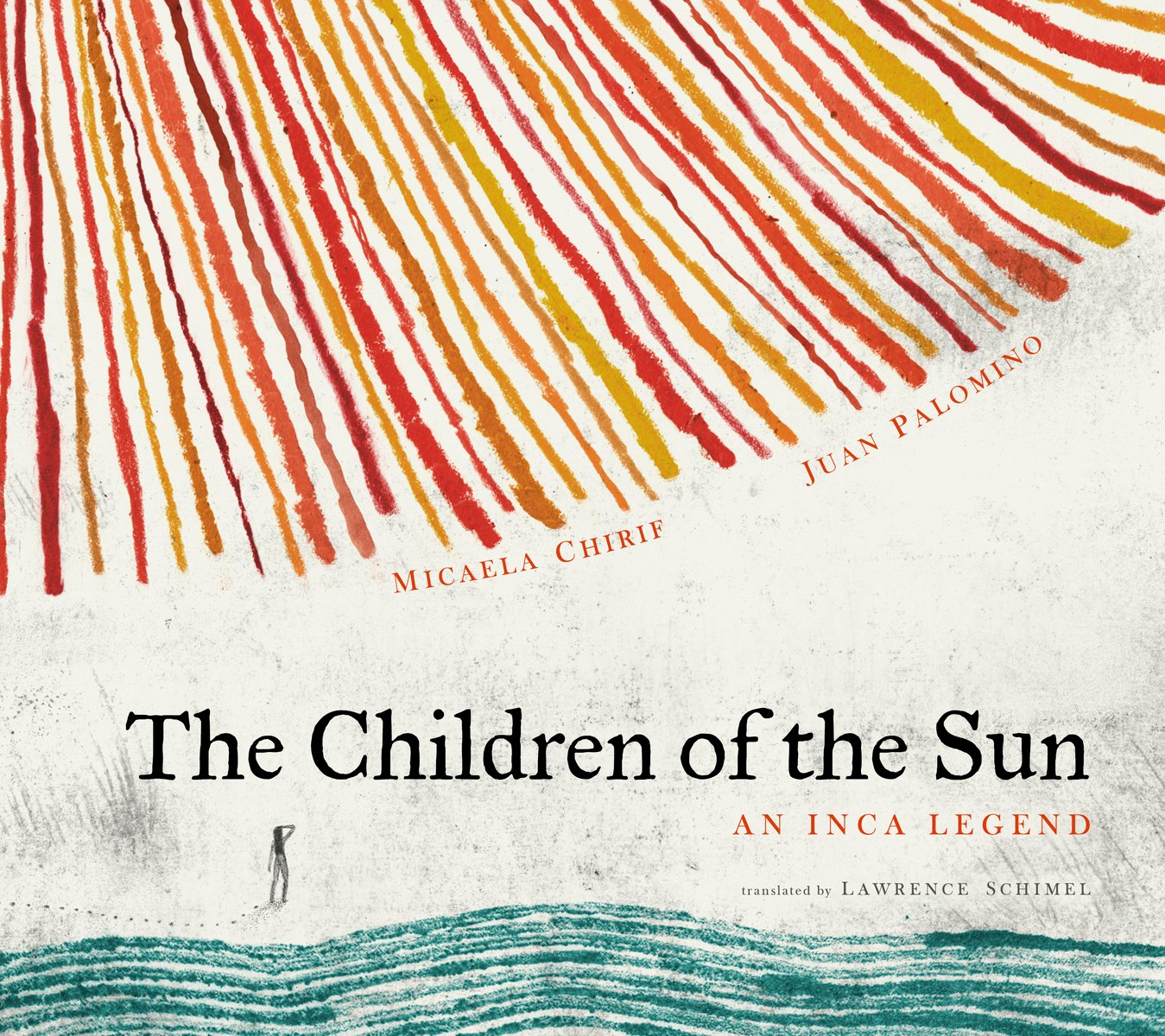
To raise awareness of the problem of hunger in America, Dick Gregory pledged to run 3,500 miles across the United States from Los Angeles to New York City in two and a half months. At first, there were journalists, famous people and others cheering. But soon there was just the quiet of the road. He ran 50 miles a day, seeing America in a new way. At every stop Gregory spoke about why he was running. Running farther, Gregory was joined by local people who met him to run with him for a bit, supporting his cause, even Muhammad Ali came along. There was pain, so much effort and finally success as he entered New York on the Fourth of July.
Told in second person, this book invites you to experience the decisions that went into Gregory’s run as well as the run itself. The text is near poetry, flowing across the page in stanzas that have rhythm that begs to be read aloud. It shares information clearly and with a particular point of view that insists that you look and think about what was accomplished. The art by Morrison is marvelous, filled with the long legs of runners, the vibrancy of brown and Black skin, and playing with perspectives to make the art sing along with the words.
A thrilling and inspiring look at activism in action. Appropriate for ages 5-8.
Every February, gray whales travel from Baja California to the Arctic. The trip is 6,000 miles and takes them 2 months. In their midst are 12 whales with a different plan. All of them eat almost nothing along the trip and some die along the way. When they reach Washington State, the 12 whales change course and head to the Salish Sea. The whales must wait for the tide to rise so they can reach the mudflat safely. Still, the water is very shallow where they must forage for the ghost shrimp to help them survive their journey. They stay for days, devouring the shrimp and leaving whale-sized divots in the sand. They set out on their trip north again, heading to the rich Arctic waters and then traveling back to California again to have their calves. Perhaps those calves too will take the dangerous detour to the Salish Sea.
Nickum has created a nonfiction picture book that reads beautifully, welcoming children to the story of these brave animals as they find a new way to survive a dangerous migration. The prose is presented almost like poetry on the page, offering beautiful moments of wonder at what the whales can do when they turn off and then eat in such shallow waters. MacKay’s art is incredible. She uses paper, ink, colored filters and light to create images that shine on the page. Each of the images is amazing, but I’ve never seen anything like what she has created to show the whales in shallow water. Incredible.
Breathtaking story and illustrations make this a journey worth taking. Appropriate for ages 4-8.
The Young Adult Library Services Association (YALSA) has selected over 60 titles for its Quick Picks for Reluctant Readers list. This is one of my favorite lists every year, since it often includes books that did not gather attention during the previous year but that teens will check out and use in our library. The books are selected for ages 12-18. A top ten list is part of the selection. Here are those titles:
As Little Fox follows her mother into the cold winter morning, she knows that the sun won’t appear now for weeks. At the same time, a child joins her mother to help photograph the Arctic. Both mothers clean up their children and then start exploring. The moon stays in the sky, reindeer head to the mountains to graze, then a polar bear arrives. The families explore the ice floes and meet a narwhal and a whale. As they play, a storm begins to brew, sending icy snow and brisk winds. The two little ones are lost together until their mothers find them both. That night, after the storm, the northern lights fill the sky.
The combination of the fox family and human families exploring the Arctic setting near one another works particularly well in this enticing picture book. Just right for winter storytimes, children will love seeing the animals while also seeing the beauty of the landscape. The mixed media illustrations are marvelously angular and dramatic, showing the ice ridges, the glow of the northern lights and the merry adventurers in the epic space.
A cold and gorgeous Arctic adventure. Appropriate for ages 3-5.
Bread Is Love by Pooja Makhijani, illustrated by Lavanya Naidu
Publisher: Roaring Brook Press
Publication Date: February 10, 2026
Reviewed from Edelweiss e-galley
ISBN: 9781250906885
Mama bakes bread every weekend and the young narrator and her little sister help. Bread is only made of four ingredients: flour, water, salt and starter. The starter is sourdough, gloopy, alive and sour smelling. Everyone helps with mixing the ingredients together. Then they must wait for the bread to rise. It takes patience to make bread. Once risen, the dough is shaped into bread. But it must rest again overnight, just like the children. Sometimes the bread will come out beautifully but other times it isn’t quite right. This time it deflated, but it still tastes good!
I’m a dedicated sourdough bread maker and also make bread every weekend, so this book spoke to me. I love the family working together to make bread but best of all I appreciate the fact that the loaf doesn’t turn out quite as they may have dreamt it would. That’s part of bread making that simply has to be embraced. The entire process teaches children about patience, imperfection, and the joy of being able to eat the results. The illustrations in this book are wonderfully welcoming and warm. They feel like a warm loaf of bread straight from the oven.
A yummy love-letter to bread making. Appropriate for ages 1-4.