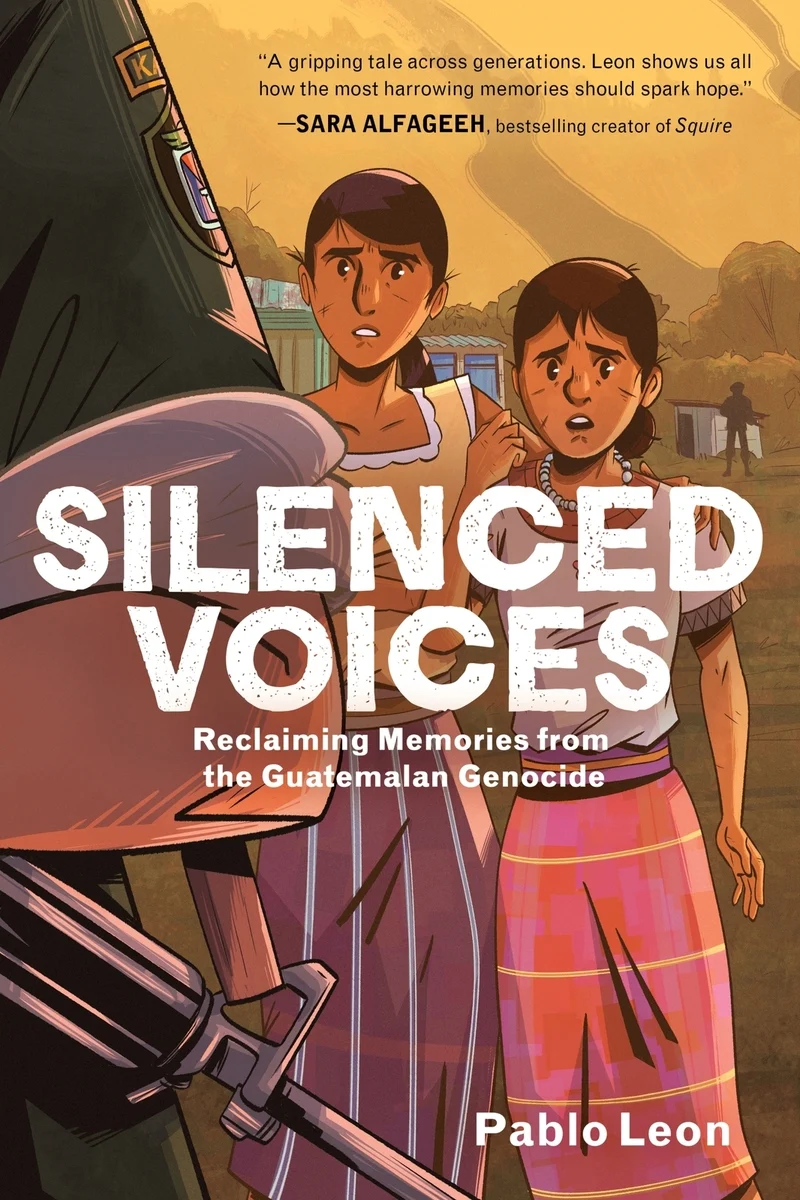
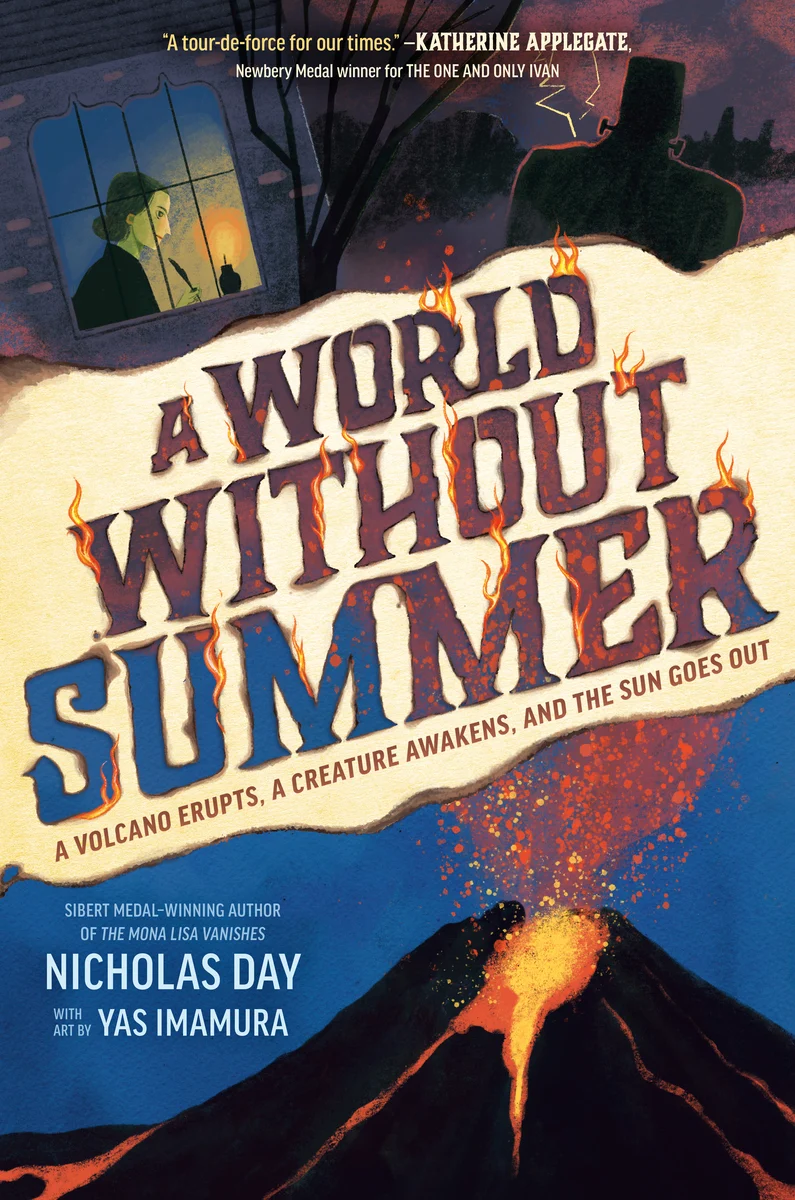
The Robert F. Sibert Informational Book Medal is given for the most distinguished informational book for children published the year before. Here is the medal winner and the five honor books:
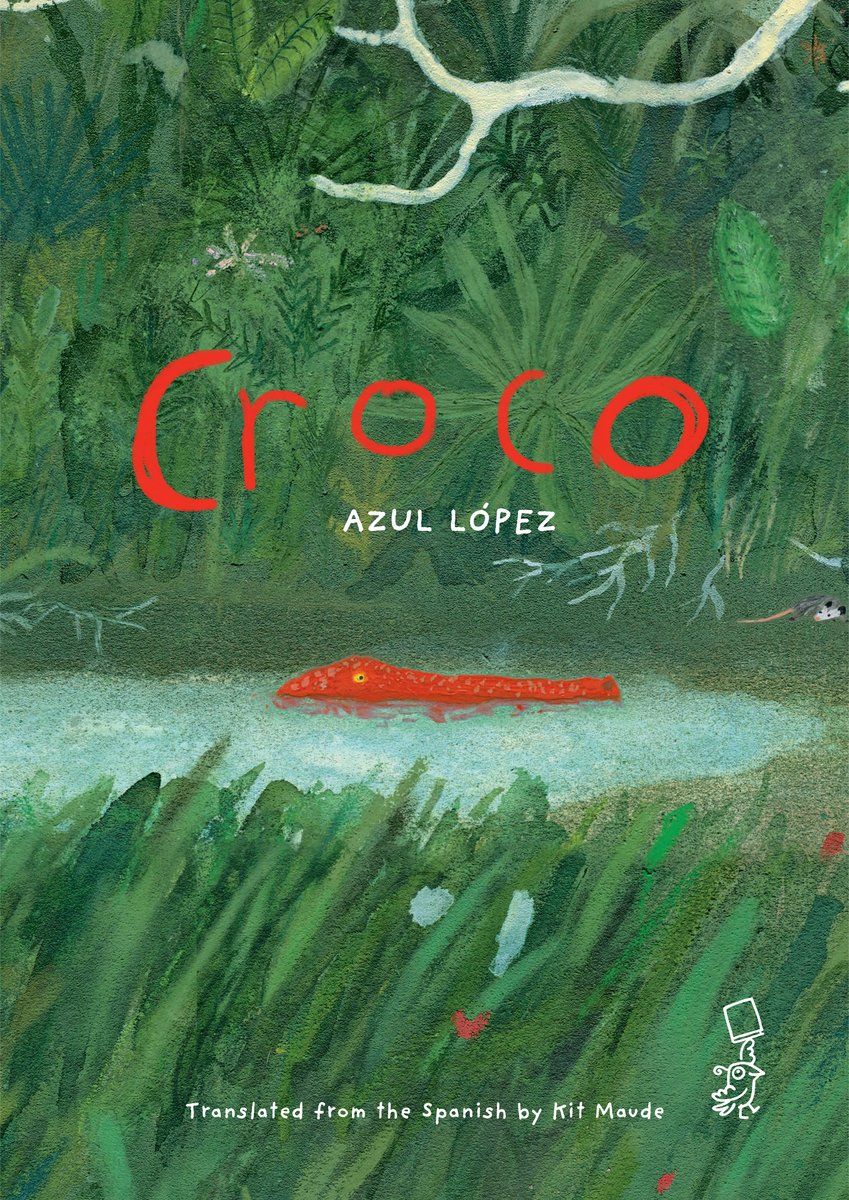
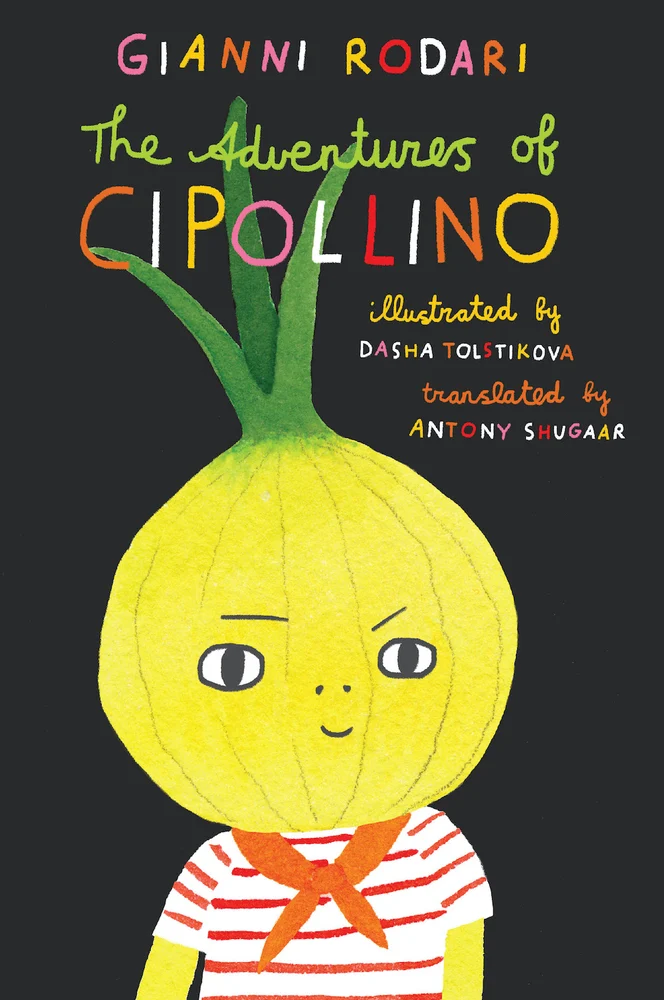
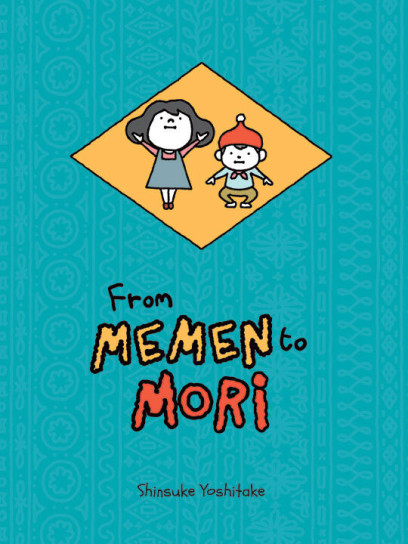
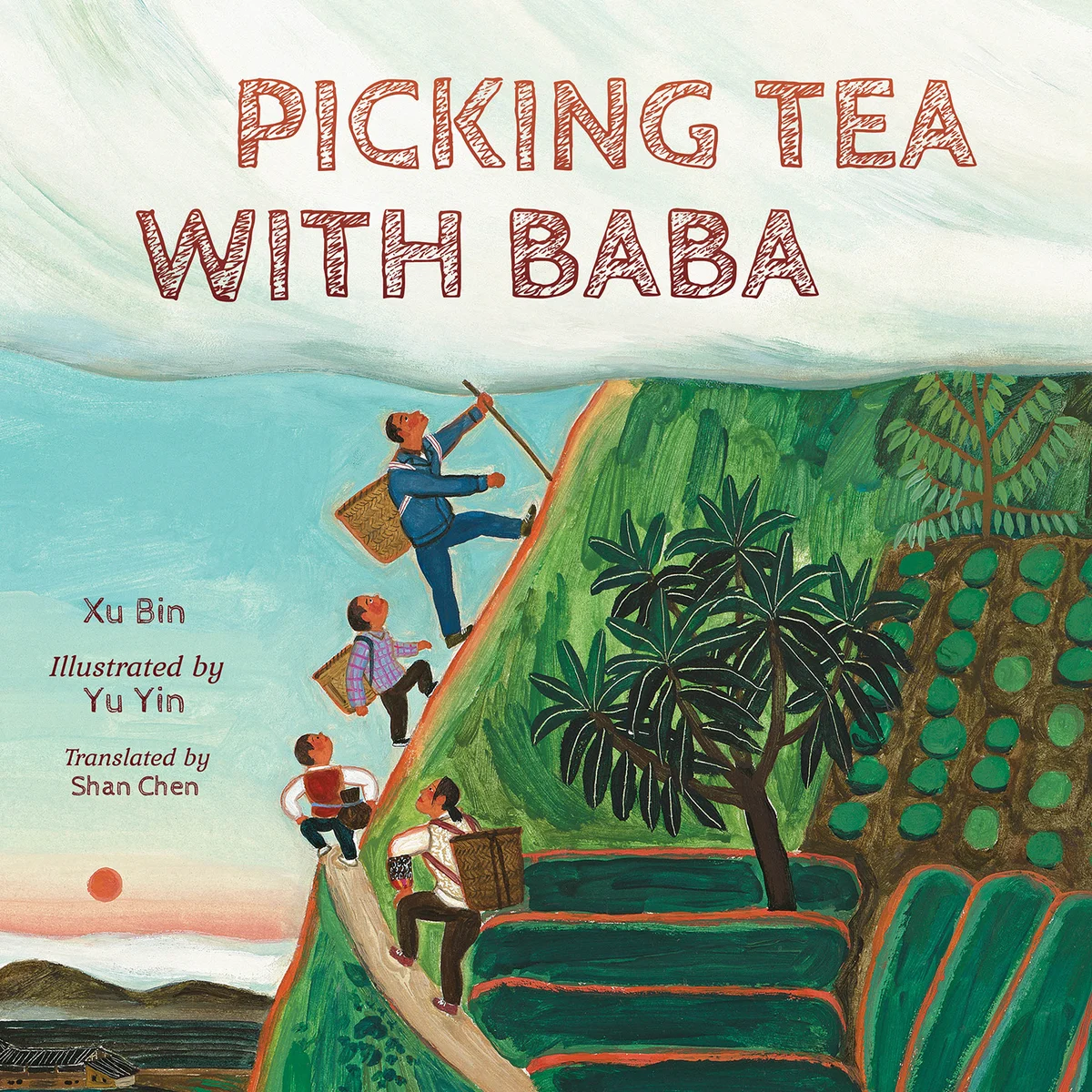
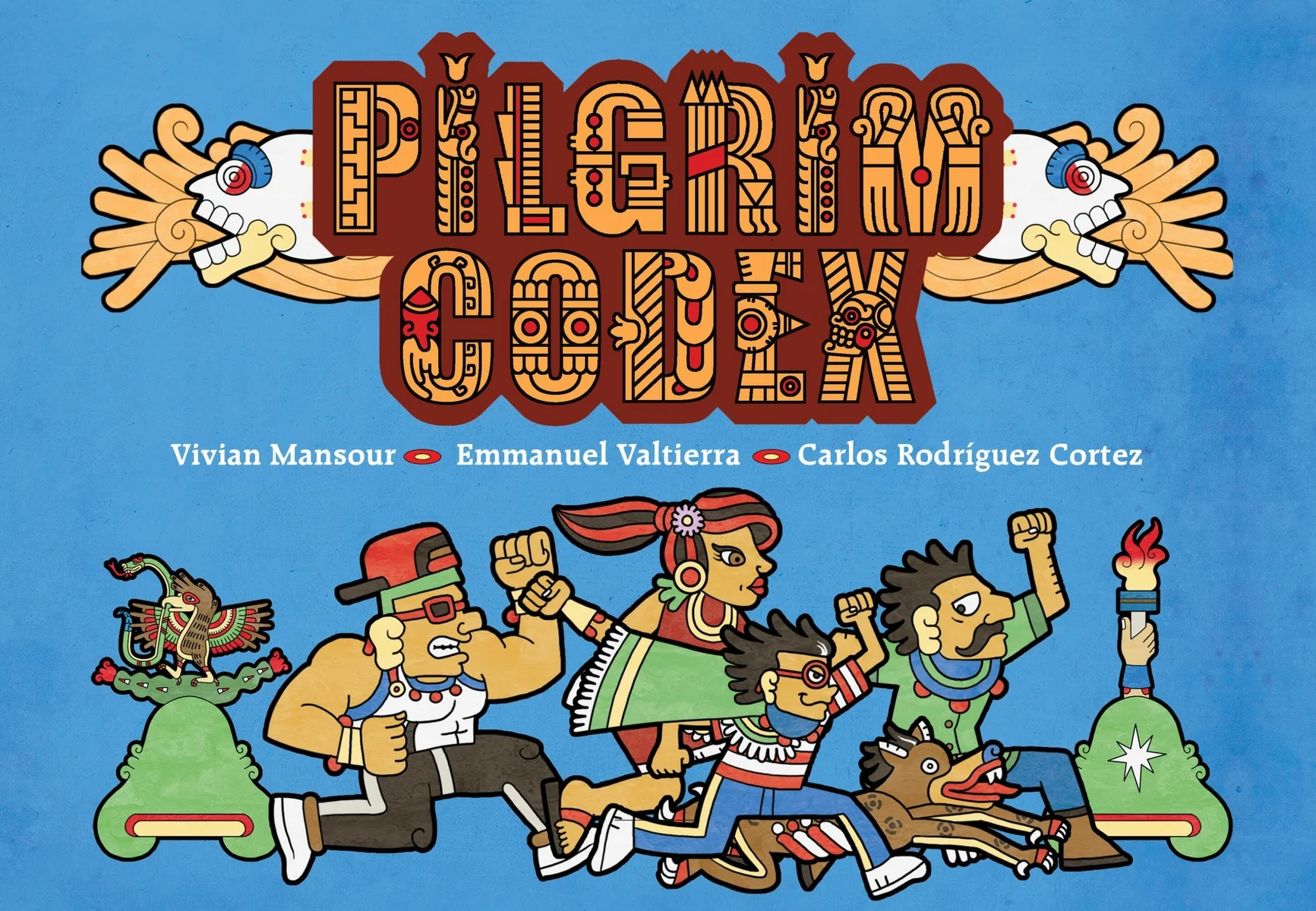
The Mildred L. Batchelder Award goes to an outstanding children’s book originally published in a language other than English in a country other than the United States. Here is the winning book and the four honor books:
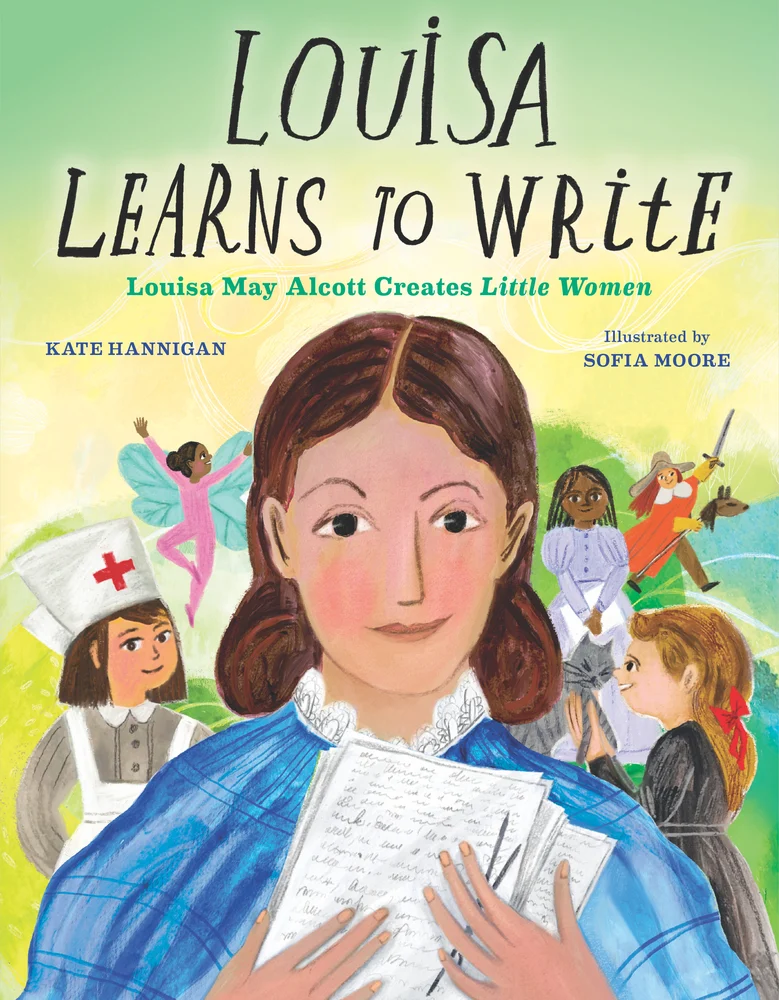
Louisa May Alcott was born into a family very similar to that of Little Women. She had three sisters and they played with the books in her father’s study. The family was poor and moved often. Louisa loved to write in her Imagination Book but her older sisters were already working as domestic servants. When Louisa was twelve, her mother received an inheritance which allowed the family to purchase a new home in Concord, Massachusetts where she met neighbors like Henry David Thoreau and Ralph Waldo Emerson. As they continued to move, one of Louisa’s sisters died and Louisa’s dream of writing seemed far away as she was rejected again and again. It was after her time as a nurse during the Civil War that Louisa found her straight-forward writing style that everyone continues to love in her Little Women.
This approachable picture book biography of the famous author focuses on the parallels between her own life and that of the Marches in Little Women, a perspective that pays off at the end when Little Women is finally published. Alcott’s journey is fraught from the beginning due to poverty and yet she continues to dream of writing, showing a real perseverance as she struggles to find her unique voice. The illustrations are done in a mix of paint, pencil and digital, focusing closely when Alcott’s world begins to draw inward and having wide landscapes at the times of expansive thought and opportunity.
A great picture book biography of a big woman in children’s literature. Appropriate for ages 5-8.
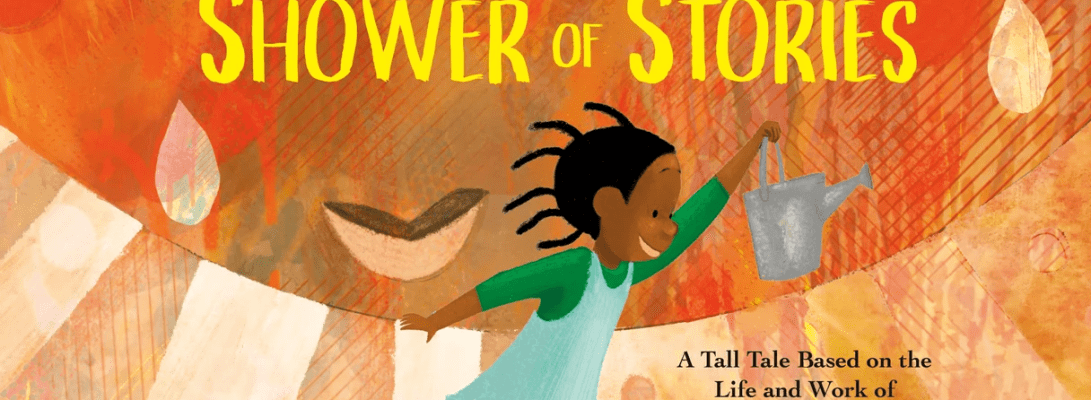
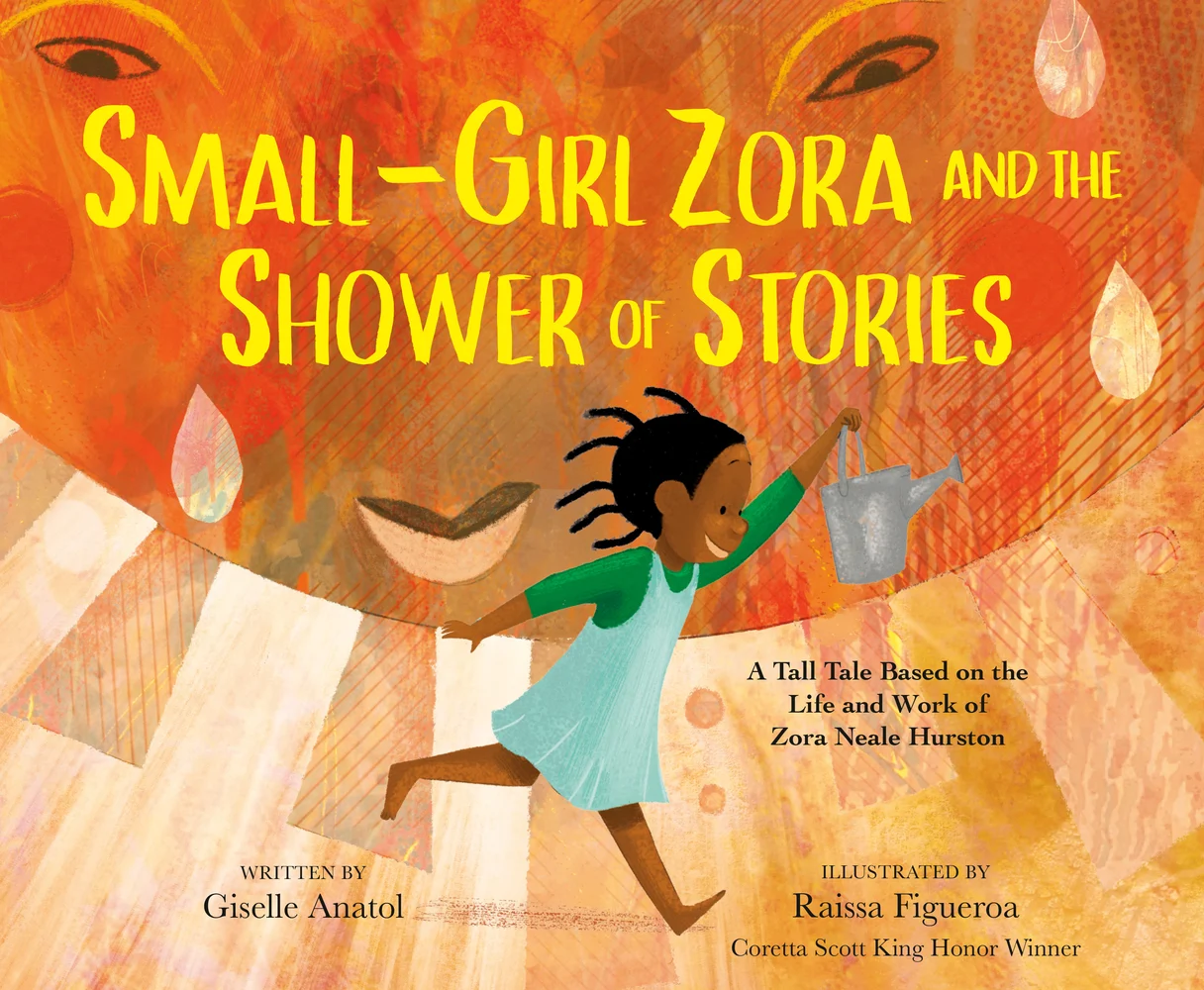
A tall tale based on the life of Zora Neale Hurston takes readers into the life of this renowned author as a small child. Zora was a little girl who didn’t play gently with dolls or tea sets. She was always dirty after a day playing outside, climbing trees. But most of all, Zora was a story teller filling the air around her with tales that she made up on the spot. She dreamed of her stories changing the world and then set out to use her tales to end the local drought. Armed with just a watering can and her imagination, she went around town telling stories. But by the end of the day, there was no water in her can. About to give up, she realized that she had watered a garden with her stories and the drought came to an end as everyone started to use their imaginations together.
This second book in the Small-Girl series is a winner. Young Zora is presented with a huge imagination and a mouth willing to share the stories she creates. She shines brightly on the page, her ideas glowing against the grumpy adults she encounters. The illustrations move from huge suns and moons to fancy parlors to the stories that Zora weaves. The result is a book filled with deep color and sprightly tales.
A clever use of tall tales to speak to the power of stories and one amazing author.
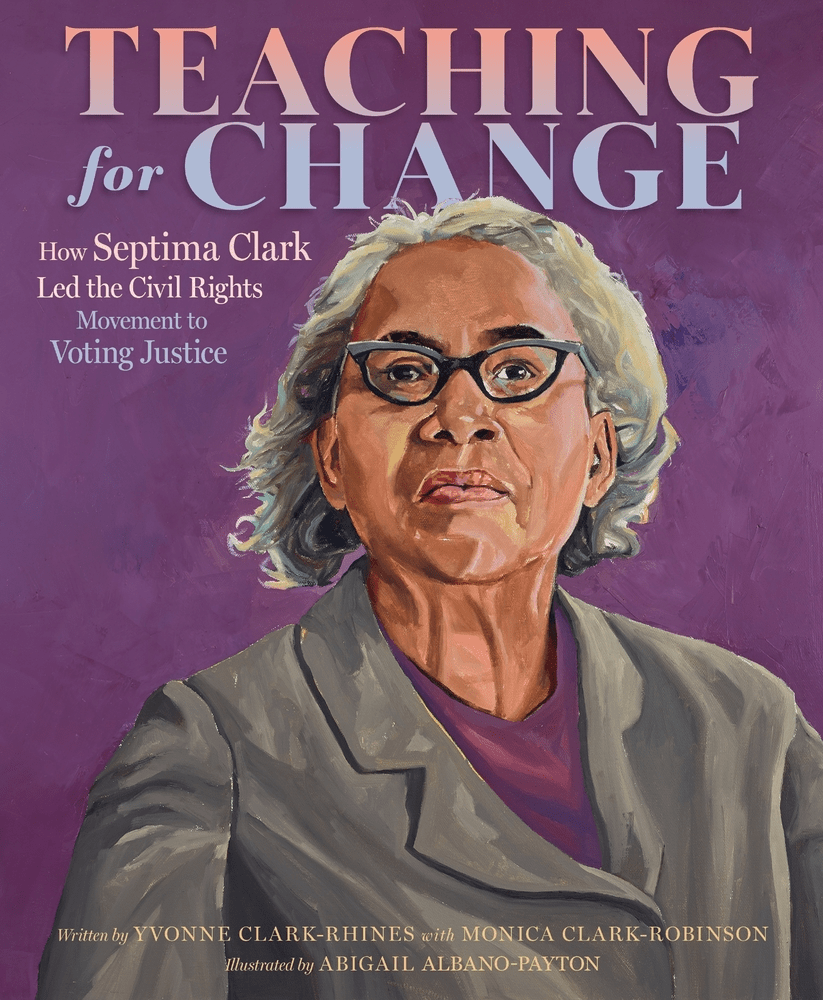
Septima Clark was born in 1898 to a father who had been enslaved and a mother who was raised free in Haiti. Her parents firmly believed in education, getting Septima a real education by trading for lessons. Even as a child, Septima loved to teach others. At age 18, she moved to South Carolina and an all-Black school where she was allowed to teach. She taught children during the day and adults at night. In the 1950s, Septima started teaching at an integrated school for adults, helping people learn to read, write and vote. She worked with Dr. Martin Luther King, Jr. and a team of teachers who helped Black people learn enough to pass the existing voting tests. Septima never stopped teaching and never stopped being the change.
There is something so beautiful about a child raised from poverty and following her own dream of teaching all the way through to its most exultant form, community activism and enabling others to follow their dreams too. Throughout this picture book biography, there is a sense of quiet strength in Clark, leading through teaching, creating change through her work. Dynamically written in poetic prose, the book reads aloud beautifully. The illustrations are oil paintings, capturing Clark from childhood through adulthood with grace and poise.
A force for change and good. Appropriate for ages 5-9.


 Waking Brain Cells