Egg Marks the Spot by Amy Timberlake

Cover image for Egg Marks the Spot.

Egg Marks the Spot by Amy Timberlake, illustrated by Jon Klassen (9781643750064)

This second Skunk and Badger story returns us to the cozy world of rocks and chickens that the two unlikely friends have created together. Badger is enjoying exploring his rocks again, but the loss of his Spider Eye Agate as a youngster still saddens him. It was stolen by his cousin, Fisher, long ago. Meanwhile, Skunk is trying to stop fretting about the New Yak Times Book Review being stolen by Mr. G. Hedgehog, who seems to have discovered where Skunk is living now. Skunk and Badger set off on a camping trip to find a replacement agate. Complete with overfilled packs, lovely meals, firelight, dark adventures, and arch nemeses, this book is all one could ask for those who love these characters, and chickens!

Timberlake is creating a series with a strong vintage vibe that feels like classic children’s literature. She uses a lot of humor, varying from near slapstick to subtle commentary. Along with the humor, she offers two characters with lots of heart, who care deeply for one another while still having their own passions and interests. There are so many lovely moments of connection, realization and great lunches. Add in a weaselly Fisher who has even bigger thievery plans, and this is a warm and rollicking look at a growing friendship.

Klassen’s illustrations break up the text nicely for young readers, offering occasional full-page images in black and white. He captures seminal moments in the story, such as Skunk and Badger on their porch watching the rain fall down and the dark and brightness of a newly discovered cave.

A winning second book in a great series for children that is perfect to share at bedtime. Appropriate for ages 6-9.

Reviewed from e-galley provided by Algonquin Young Readers.

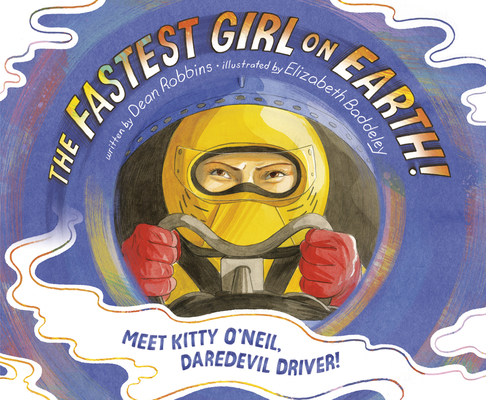
The Fastest Girl on Earth! Meet Kitty O’Neil, Daredevil Driver by Dean Robbins

Cover image for The Fastest Girl on Earth.

The Fastest Girl on Earth! Meet Kitty O’Neil, Daredevil Driver by Dean Robbins, illustrated by Elizabeth Baddeley (9780593125717)

As a child, Kitty O’Neil loved to go fast. She loved running, riding on the lawn mower with her father, and swimming and diving. Though she lost her hearing due to a childhood fever, it never slowed Kitty down. Kitty grew up to be a stuntwoman in movies. She also set records as the fastest water skier and boat racer. Then Kitty set her sights on being the fastest driver. Her car was called the Motivator and it was rocket powered, capable of going over 300 mph, if Kitty could steer it at that speed. The woman’s land speed record at the time was 308 mph. Kitty went 618 mph! She became an American hero in the 1970’s even having an action figure made in her likeness. Kitty continued to be a champion of children with disabilities and held records in an incredible range of sports.

Robbins’ book about Kitty O’Neil is just as fast paced as her records. His writing is brisk, opening the book with Kitty in her rocket car and closing the book with her record drive. This frames the story very successfully, as young readers will want to know what happens on that historic drive. Robbins also captures the breathlessness of the countdowns, the danger of the drive, and Kitty’s own fearlessness. It’s a marvelous rocket read of a book just right for the subject.

The art, done in pencil, watercolor, acrylic and digital, get readers right into the cockpit with O’Neil. They capture her joy at going fast and breaking records. With bright colors, they also show the dynamic moments of the countdowns, the acceleration, the determination and the eventual win.

A wild ride of book about a deaf woman driver who became a hero. Appropriate for ages 4-8.

Reviewed from e-galley provided by Alfred A. Knopf Books for Young Readers.

15 September Children’s Books to Wake Your Brain Cells

Here are 15 books for children and middle grades coming out in September that have gotten starred reviews and praise. Lots of familiar names mix with new faces.

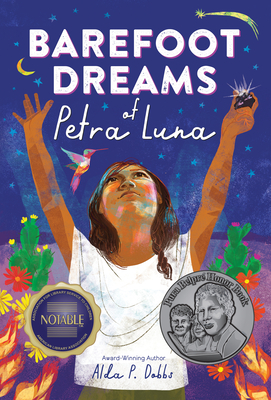
Cover for Barefoot Dreams of Petra Luna

Barefoot Dreams of Petra Luna by Alda P. Dobbs

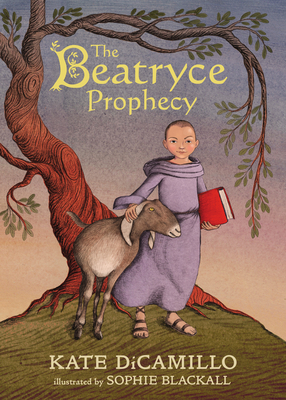
Cover for The Beatryce Prophecy

Beatryce Prophecy by Kate DiCamillo, illustrated by Sophie Blackall

Cover for Borders

Borders by Thomas King, illustrated by Natasha Donovan

Cover for Born Behind Bars

Born Behind Bars by Padma Venkatraman

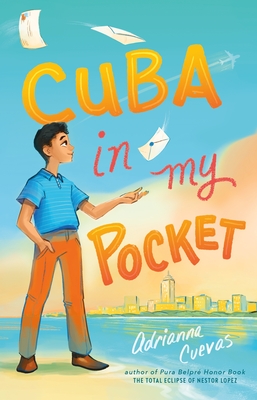
Cover for Cuba in My Pocket

Cuba in My Pocket by Adrianna Cuevas

Cover for Egg Marks the Spot (Skunk and Badger 2)

Egg Marks the Spot by Amy Timberlake, illustrated by Jon Klassen

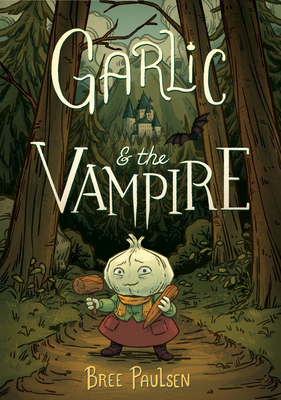
Cover for Garlic and the Vampire

Garlic and the Vampire by Bree Paulsen

Cover for Kaleidoscope

Kaleidoscope by Brian Selznick

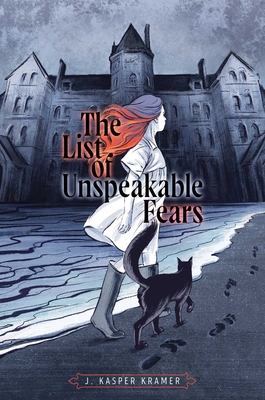
Cover for The List of Unspeakable Fears

The List of Unspeakable Fears by J. Kasper Kramer

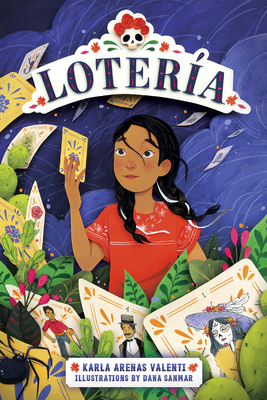
Cover for Lotería

Loteria by Karla Arenas Valenti, illustrated by Dana Sanmar

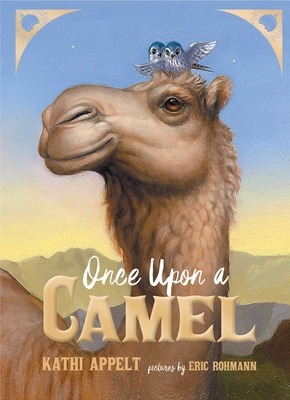
Cover for Once Upon a Camel

Once Upon a Camel by Kathi Appelt, illustrated by Eric Rohmann

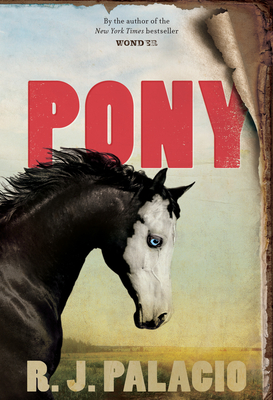
Cover for Pony

Pony by R. J. Palacio

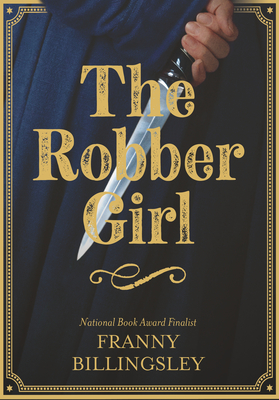
Cover for The Robber Girl

The Robber Girl by Franny Billingsley

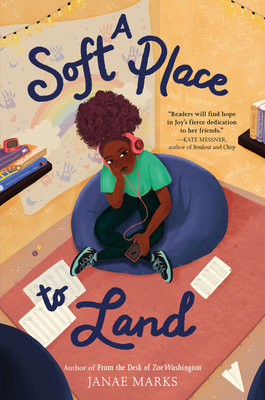
Cover for A Soft Place to Land

A Soft Place to Land by Janae Marks

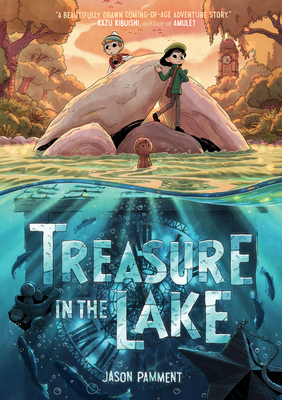
Cover for Treasure in the Lake

Treasure in the Lake by Jason Pamment

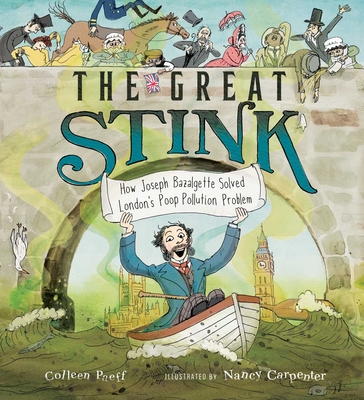
The Great Stink by Colleen Paeff

Cover image for The Great Stink.

The Great Stink: How Joseph Bazalgette Solved London’s Poop Pollution Problem by Colleen Paeff, illustrated by Nancy Carpenter (9781534449299)

It was 1858 and the Thames River in London smelled terrible. The problem was that the river was full of poop. The problem had started in 1500, when the sewers were emptied by men who shoveled them out at night. But the population kept on growing. By 1919, there were many more people in London and flush toilets are growing in popularity, but there is no way to get rid of all of the human feces, so some people connected their homes directly to the sewer, sending it all to the river. Cholera epidemics started killing thousands of people, but cholera is blamed on smelly air rather than polluted water, so they kept happening. In 1856, Bazalgette submits a plan to create large sewer pipes to take the sewage away from the river. His plan is finally approved in 1858 after a very hot summer causes the smell to get even worse.

Told with a merry tone, this book embraces the stink of history and shows how one man can change the lives of so many, rescuing them from disease and death. Paeff packs a lot of history into this picture book, making it all readable and fascinating through her use of historical quotes combined with a focused pared down version of what happened. Her writing is engaging and interesting, offering lots of information without ever overwhelming the story itself.

Carpenter’s art is just as stinky as can be. She captures the sewage entering the Thames, the miasma of stench coming off the river in the heat, and the grossness of dumped chamber pots. Against that unclean setting, a small baby is born and becomes an engineer who creates grand tunnels where the air is clear once again. Add in the macabre face of cholera and you have a book that is hard to look away from.

Fascinating, stinky and delightful. Appropriate for ages 6-9.

Reviewed from e-galley provided by Margaret K. McElderry Books.

Survivor Tree by Marcie Colleen

Cover image for Survivor Tree.

Survivor Tree by Marcie Colleen, illustrated by Aaron Becker (9780316487672)

On a bustling street in New York City, a small tree grew along the tall steel buildings. It was there for almost thirty years, marking the seasons. Then one September day, there were explosions and buildings fell to rubble, crushing and burning the tree. The tree was found in the wreckage with a few green leaves and taken far away to fresh soil. For several seasons, the tree stayed bare, then one day blossoms and buds arrived. For ten years, the tree grew there until it was time to return home. Home to a newly empty sky, where people stopped and wept, and where the tree with its burns and scars offered a way to bridge past to present.

This picture book is based on the true story of the tree that survived the terrorist attacks on September 11th, 2001. Through seasons of bustling city streets to the attack itself to seasons of healing afterwards, the tree shows an inspiring resilience for us all. Using delicate prose, the author writes of the beauty of the tree even when people were not stopping to notice it. The survival of the tree is told with a gentle admiration for its very survival.

Becker beautifully captures the New York City setting of the tree as it changes from before the attack and afterwards. He offers not just a story of the tree itself but an accompanying story in the illustrations about a family growing up alongside the tree and then there loss and memories after the attack. It is this subtle human connection of people to the tree that add much to the book.

A haunting and beautiful look at 9/11 and the tree that survived it and continues to inspire. Appropriate for ages 5-8.

Reviewed from e-galley provided by Little, Brown and Company.

El Toro and Friends by Raul the Third

Cover image for Tag Team.

Tag Team by Raul the Third (9780358380399)

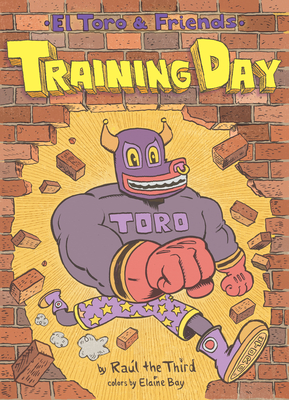
Cover image for Training Day.

Training Day by Raul the Third (9780358380382)

These are the first two titles in the new early reader series by the talented Raúl the Third. The books feature the Luchadores El Toro and his group of friends. In Tag Team, the stadium is a mess after last night’s match. El Toro is feeling very overwhelmed by the mess until La Oink Oink arrives and helps him. She talks him into doing it as a tag team, turning on some music and working together with brooms, mops and more. The second book, Training Day, shows how El Toro trains to get ready for his next match. But he isn’t feeling like training, even though his coach, Kooky Dooky, wants to keep him in shape and ready. Kooky tries to think of cool exercises that will get El Toro out of bed, but it isn’t until El Toro is truly inspired that he is ready to train.

With a mix of Spanish and English, these beginning readers are marvelous. The writing has just the right mix of humor and emotion. El Toro’s situations are relatable, since sometimes children don’t want to do their chores or get out of bed for a busy day. There is a lot of empathy here combined with empowering messages about the importance of friendships to keep us going.

The illustrations are detailed and delightful. Featuring Raúl the Third’s signature style, they share characters that readers will have met in Vamos! Let’s Go to the Market! The colors are bright and full of tropical colors of orange, purple and yellow.

A vital addition to all libraries’ early reader shelves. Appropriate for ages 4-6.

Reviewed from library copies.

The Shark Book by Steve Jenkins and Robin Page

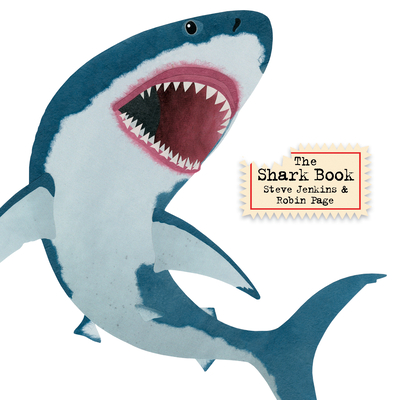
Cover image for The Shark Book.

The Shark Book by Steve Jenkins and Robin Page (9781328569493)

This gorgeous nonfiction picture book explores the diverse world of sharks that includes over 500 different species. The book defines what a shark is, exploring the various physical attributes that make sharks special including their rows of teeth, dorsal and other fins, and their countershading. The wide range of sizes that sharks come in is also featured. Size of shark is shown in comparison with a lone adult human swimmer, often dwarfed by the sharks around them. The book explores how sharks are born, what they eat, and then some of the more interesting species including hammerhead, great white, and whale sharks. Record holding sharks are shown and then shark attacks are discussed as well, while also stating the jeopardy that sharks are in themselves. This is a balanced, fascinating book that is sure to be popular.

From the Caldecott-Honor winning team, this nonfiction picture book features facts that have been chosen to draw readers into the subject. Readers may know something about one type of shark, but the huge diversity of sharks will likely surprise young readers who will find new sharks on every page. The writing is straight-forward and simple allowing the facts themselves to fascinate and awe.

As always, Jenkins’ illustrations are marvelous cut paper. He has a way of creating paper that creates watery ripples, dapples of light, or small waves across the sharks. The skilled use of humans as a way to show size is done at just the right moments in the book and not excessively.

Snap this one up! Appropriate for ages 4-7.

Reviewed from e-galley provided by Clarion Books.

Child of the Flower-Song People by Gloria Amescua

Cover image for Child of the Flower-Song People.

Child of the Flower-Song People by Gloria Amescua, illustrated by Duncan Tonatiuh (9781419740206)

Luz Jiménez was a child of the flower-song people, the Aztecs. She had listened intently to the stories told by the elders about their sacred mountains and streams and also about how the Spaniards had taken their lands away. Luz learned how to do the traditional work of her people, grinding corn on a metate, twisting yarn with her toes, weaving on a loom. She learned about the plants around her and what herbs were medicine. Luz longed to go to school, but it was forbidden for native children. Then the law changed and required schooling in the ways of the Spanish. Luz was a good student and learned much, still keeping the traditional tales alive as she shared them with the other students. At age 13, Luz was forced to flee the Mexican Revolution and live in Mexico City. There Luz became a model for artists, sharing her traditions in paintings and photographs. She longed to be a teacher, but was denied that opportunity. Instead she taught in a different way, through modeling, sharing her tales, and being a living link to the Aztecs.

This beautiful picture book pays homage to Luz Jiménez, a humble woman who became the face of her people. Amescua’s lovely Author’s Note shows the detailed research that went into this biographical picture book. That research is evident in the lovely prose she uses to share Luz’s story with a new generation. Her writing uses metaphors and evocative phrases to really show the impact that Luz’s presence has had as well as her strong connection to her heritage.

Tonatiuh’s art is always exquisite. Done in his own unique style, his illustrations mix modern materials with a folkloric feel. They work particularly well for this subject.

A stellar biographical picture book of a true teacher and heroine. Appropriate for ages 7-10.

Reviewed from e-galley provided by Abrams Books for Young Readers.

Fourteen Monkeys: A Rain Forest Rhyme by Melissa Stewart

Cover image for Fourteen Monkeys.

Fourteen Monkeys: A Rain Forest Rhyme by Melissa Stewart, illustrated by Steve Jenkins (9781534460393)

This picture book explores the fourteen species of monkey that all live together in Manu National Park in Peru. They all live in the rainforest together and survive successfully near one another thanks to their different diets, different heights for their habitats, and different body sizes. The day begins with the red howler monkeys who climb to the very tops of the trees to bellow. The spider monkeys live high up as well, searching for their favorite fruits. Down near the ground, sakis race and jump. Each monkey is shown with Jenkins’ detailed illustrations, their space in the rainforest documented, and their activities and diet explored. It’s a look at an entire community of monkeys all living happily as neighbors.

Stewart’s writing is clear and concise. She has a knack for sharing fascinating details about each monkey, such as how long the howlers rest each day (18 hours) and that capuchins will eat anything they can catch. The book offers layers of text, including basic text that could be shared aloud while the more detailed information is also there for those who want to explore it. Even more information is available at the end of the book along with additional resources.

As always, Jenkins’ illustrations done with paper art are phenomenal. He can make paper look furry, smooth, veined and fruity. He’s a master at the craft, creating animals that are realistic and artistic.

This book doesn’t monkey around, providing great information in a gorgeous format. Appropriate for ages 5-8.

Reviewed from copy provided by Beach Lane Books.