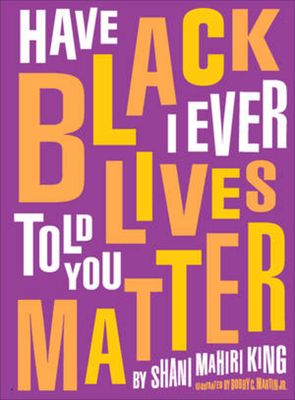
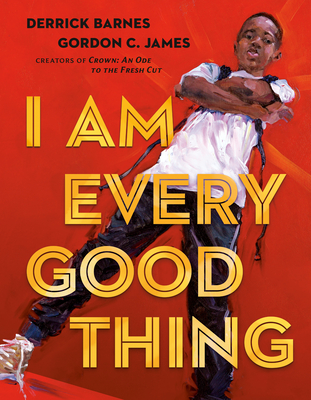
King explains fiercely and openly that Black lives matter, and that they always have mattered. He pulls examples from history, filling the pages with lists of names and accomplishments. There are political figures, artists, musicians, athletes and many more. He reminds readers that Black lives died for our country’s independence. He shares quotes from great Black minds, like Malcolm X, W. E. B. Dubois, and James Baldwin. He uses the refrain of “Have I ever told you…” to open another list of names, share another chapter of history, and demonstrate again and again and again that Black lives are valuable, they matter, and they matter to us all.
The design of this book is almost in two separate pieces. The first part matches the cover art, using gorgeous bold text design to share the words of empowerment that fill the book, that share examples of Black figures, their words and their impact on the world. The book also has silhouettes of some of the people, shadowed in vibrant color. Then the book turns to facts about each of the Black people who are mentioned in the first part of the book. These pages turn a cool blue, sharing details of their lives, quotes from each of them, and offering a glimpse into their greatness.
A dynamic and insistent book that affirms just how much Black lives matter. Appropriate for ages 6-9.
Reviewed from copy provided by Tilbury House Publishers.
Born in the late 1800s, Edwin loved the stars from a young age. At eight, he was given a telescope by his grandfather, and they headed into the Missouri night to see the stars up close. Edwin was a good student who loved math and learning about the universe, but his father wanted him to do something else with his life. So Edwin studied law before becoming a high school teacher. It wasn’t until after his father’s death that Edwin felt he could study astronomy. His first job was at Mount Wilson Observatory, the world’s largest telescope. There, he spent years studying the Andromeda nebula, eventually proving that it was a separate galaxy. Edwin continued to classify and learn more about galaxies, discovering that they move away from each other and that the further away they are, the faster they move. Eventually, the Hubble Telescope was launched, named after this man who studied the stars and increased our understanding of the universe.
In her debut picture book, Marinov shows real skill in taking a lifetime of accomplishments and making them accessible for young readers. She writes with a tone that shares the facts of Hubble’s life but also shares his personality, his wonder at the universe and the hard work and resilience it took for him to make his discoveries. As Hubble and others ask big questions about the universe, these statements are done in a silver print that elevates them and will have the reader marveling along.
The illustrations are done in a whimsical style that uses fine ink lines to share small details of large telescopes and landscapes. Using the darkest of black ink, Marcero illuminates her pages with stars that sweep across the paper. One gatefold opens to reveal a series of nebulae to wonder at.
A strong and interesting look at one of the most famous astronomers. Appropriate for ages 6-8.
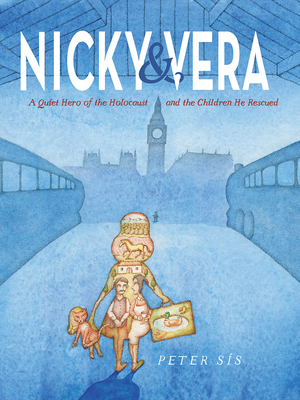
As Czechoslovakia is taken over by the Nazis in 1938, one quiet man stepped forward and saved almost 700 children. At age 29, Nicky was invited to visit Prague while on a ski trip. At the same time, Vera was growing up outside of Prague, happily adopting stray cats. They were one of the only Jewish families in the town, but that didn’t matter in their lives. The in October the German army marched into Czechoslovakia and Vera’s parents learned of a British man who was saving children. That man was Nicky. Understanding that he could do something, he worked in Prague making lists of children and finding train connections. When he returned to London, he found foster families for the children and acquire visas and tickets with his own money, sometimes needing to create his own stamps. Vera left home with 76 other children on a train. In total, 669 children reached London safely. No one heard of Nicky’s quiet work until his wife found the records. Then Nicky’s work was revealed to everyone on a popular TV show, and his life is still celebrated.
Sís has created a haunting yet also celebratory nonfiction picture book that describes the Nazi invasion of Czechoslovakia through a child’s eyes and also offers the lens of a man who realizes the potential human disaster about to occur and does something to rescue the children. The tension between the two is beautifully done, creating a deep understanding of what was at stake and the speed at which something needed to happen. The book is one that will make you actually cry, particularly towards the end when the survivors are there to thank Nicky for what he did for them. Crushingly moving.
As always Sís’s art is entirely its own style. He offers overhead maps of Vera’s small town and her life. He also shares maps of Europe and whimsical images that are almost folkloric in their storytelling. It’s a lovely mix of story, truth and heroism.
Truly remarkable, this is a picture book to read with tissues nearby. Appropriate for ages 7-10.
Reviewed from e-galley provided by Norton Young Readers.
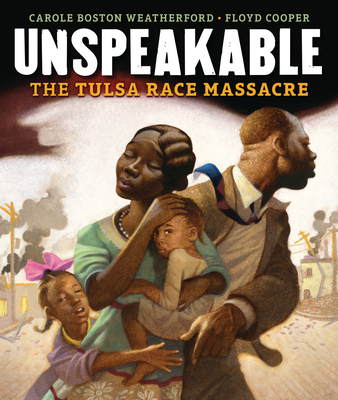
This nonfiction picture book offers a gripping look at one of the worst racial violence incidents in American history. In Tulsa, Oklahoma, a community called Greenwood was formed by Black people descended from Black Indians, former slaves, and those fleeing the racism of the segregated South. Along a one-mile stretch of Greenwood Avenue, over 200 Black business started, becoming known as Black Wall Street. But there were people in Tulsa who were not alright with the growth of Black wealth. In 1921, those tensions turned into action when a white teen accused a Black young man of assault. A standoff at the jail resulted in the deaths of two Black men and ten white men. The white mob stormed Greenwood, burning it to the ground. 300 Black people were killed, hundreds more injured and more than 8,000 were left homeless. The survivors were moved into camps and eventually rebuilt, but never spoke of the massacre. Today, the truth is being spoken of and addressed through reconciliation efforts.
Weatherford does an incredible job telling this terrible truth, showing the beauty and potential of the Black community in Tulsa and then sharing its eventual destruction at the hands of a mob. Weatherford has family ties to other race massacres in the United States, which led to her this, the worst incident. Her author’s note shares some photographs and more of the history. Weatherford’s initial focus on the community built in Tulsa, makes the the burning of the area all the more impactful for the reader. The tragedy’s magnitude is carefully shown in numbers and continued impact.
Cooper’s illustrations are incredible. Cooper’s grandfather grew up in Greenwood, a history that he rarely spoke about. Cooper captures the promise of Greenwood with its libraries, churches, doctor’s offices and more. He shows the hotel, the bustling streets, the children playing safely in the neighborhood. He gives history faces that look right at the reader, demanding that they see what happened.
Tragic, powerful and insistent that change happen. Appropriate for ages 7-10.
Reviewed from e-galley provided by Carolrhoda Books.
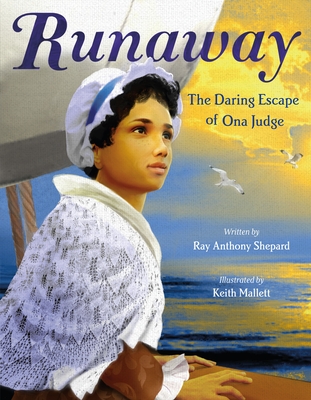
Ona Judge was a slave in the household of George and Martha Washington. While Washington worked to free the fledgling union from the British, he depending upon slaves in his household. Ona began working in slavery for Martha Washington at age 10, often playing with their grandchildren and sometimes being mistaken for one of them. The book explores the posh lifestyle that Ona lived amongst and yet was not truly part of. She was treated well, but still enslaved. When she was given to one of the granddaughters, Ona decided to escape. She chose the difficult life of a fugitive slave over than of the slavery.
Shepard uses a particularly successful structure in this picture book. He frames Ona’s story by asking repeatedly why she ran? He points out the opulence she lived in and the remarkable moments in history she saw. Shepard thoroughly explains exactly why Ona escaped, showing her being taken from her mother at a young age, being treated as more of a pet than a person, and being given to the haughty granddaughter. The structure leads to the clear answers of why she needed to escape.
Mallett’s illustrations beautifully evoke the historical period. They are filled with carriages, women’s clothing, fire places and some images of famous historical figures. It is Ona though who glows on the page, her face always lit from within and filled with the potential of freedom.
A picture book that brings the shamefulness of slavery forward, showing that everyone needs to be free. Appropriate for ages 6-8.
Reviewed from e-galley provided by Farrar, Straus & Giroux.
It was a great year for elementary fiction. Below you will find easy readers and chapter books that I consider the best of the year:
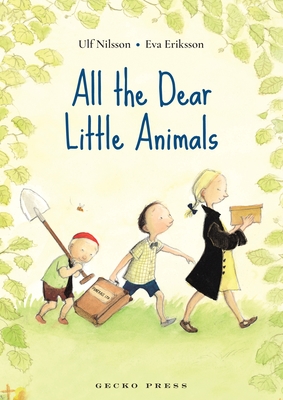
All the Dear Little Animals by Ulf Nilsson, illustrated by Eva Eriksson, translated by Julia Marshall (9781776572892)
“It offers a skillful balance of morose, serious sadness with a sunny summer day, a business idea, and time spent with friends. It’s that juxtaposition and the frank approach of the children toward death that makes this book work so well.”
“Take those lines from untold stories and pair them with images that create something incredibly moving, bright glimpses into one story and then the next. These are tales you long to be completed, where girls perch on the moon and libraries are filled with music and animals.”
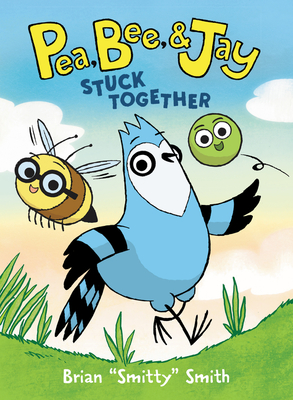
“The result is a book that is silly and a delight, something that could be read again and again by new readers who will giggle every time.”
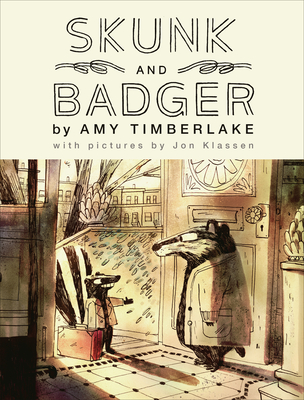
Skunk and Badger by Amy Timberlake, illustrated by Jon Klassen (9781643750057)
“Cracking this book open and reading the first page will have even the most jaded readers of children’s books realizing that they are reading a new classic.”
“Ha’s memoir is marvelous. She creates real emotion on the page, not shying away from the raw reaction that she had as a teen to being moved to an entirely different country unexpectedly. “
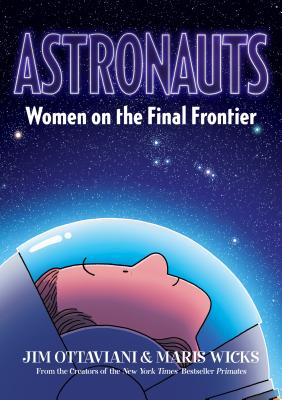
“A stellar look at gender in space and science that is inspiring. “
Banned Book Club by Kim Hyun Sook and Ryan Estrada, illustrated by Hyung-Ju Ko (9781945820427)
“This graphic novel is so powerful. It looks at a totalitarian regime and the efforts to overthrow it, particularly the ideas and books that the regime forbids.”
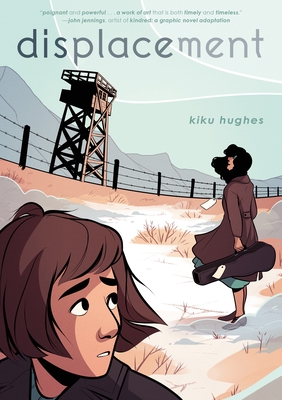
“Hughes ties our current political world directly to that of the camps, showing how racist policies make “solutions” like internment camps more likely to happen. “
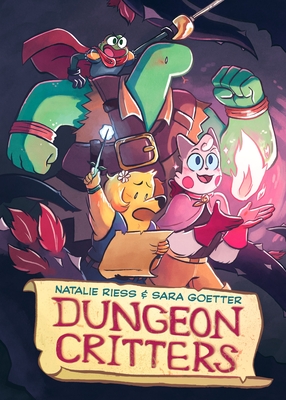
Dungeon Critters by Natalie Reiss and Sara Goetter (9781250195463)
“Perfect for anyone who has spent time with Dungeons and Dragons or crawled through video game dungeons like World of Warcraft, this book is captivating.”
“The art and story flow together seamlessly, creating a world that shines with golden light. He creates vistas in his world so that readers can view the expanse of the continent.”
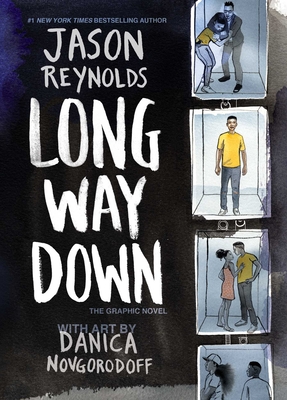
“Beautifully, Reynold’s wring is intact here, so many of his important lines and statements left to speak directly to the reader. Novgorodoff manages to transform the work with her art.”
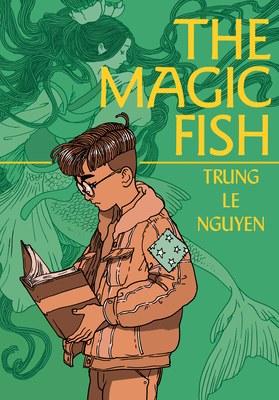
“It is remarkable that this is a debut graphic novel. It is done with such finesse, weaving the fairy tales and the modern world together into a place full of possibility and transformation.”
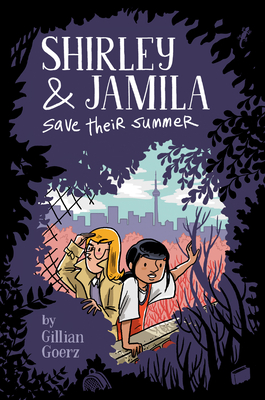
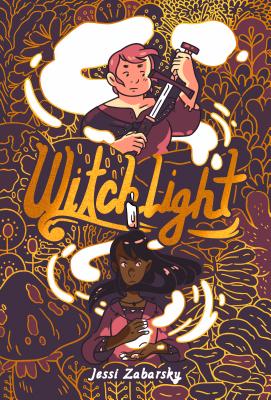
“Goerz creates a mystery where all of the elements snap into place by the end and it also becomes about more than punishing a culprit, ending with new friendships and greater understanding.”
“The writing is superb, the plotting is clever and clear. The art is phenomenal with race and gender playing major roles. The characters are deep, well conceived and very diverse.”
“Knisley fills her book with small moments of life on a farm and in the country. Every person who lives, loves or tolerates the country will enjoy her depiction.”
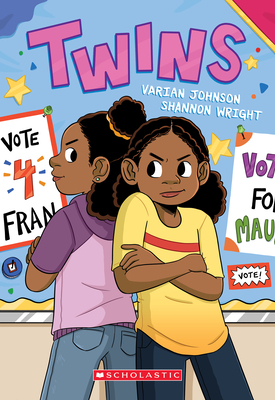
Twins by Varian Johnson, illustrated by Shannon Wright(9781338236132)
“Sure to be popular, this graphic novel appears light but has lots of depth to explore about sisterhood.”
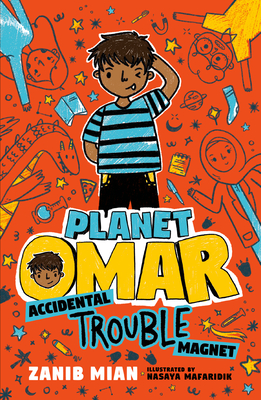
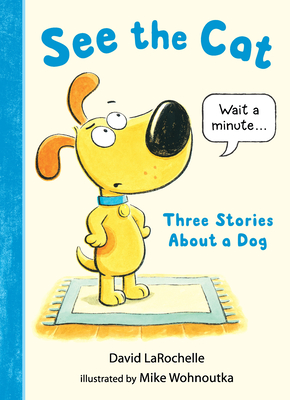
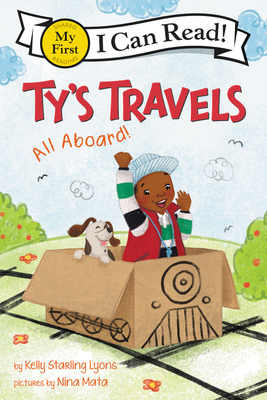
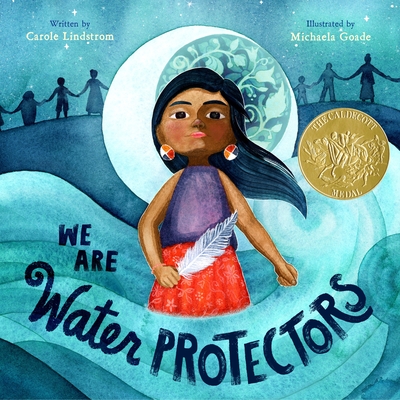
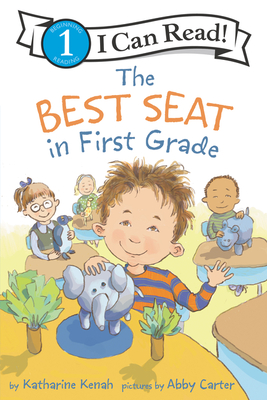
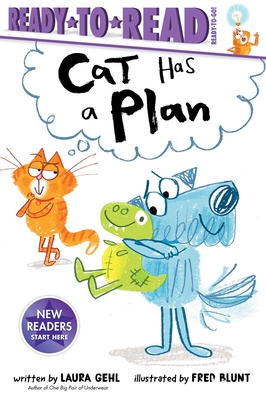
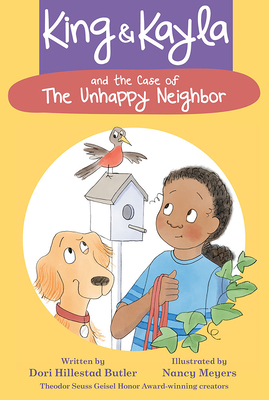
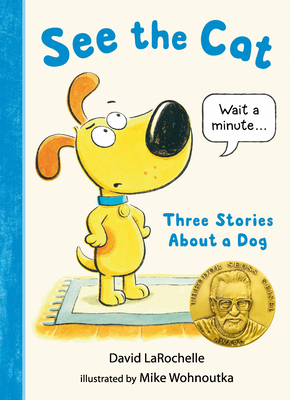
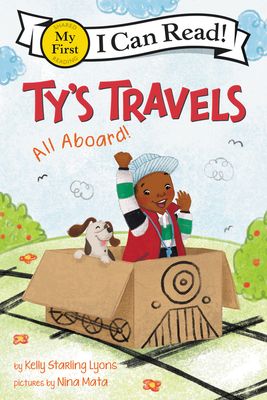
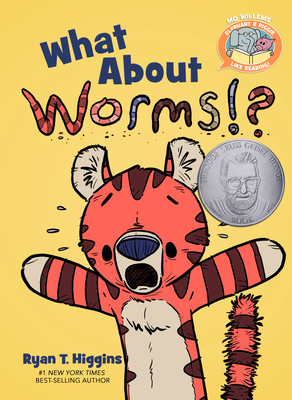
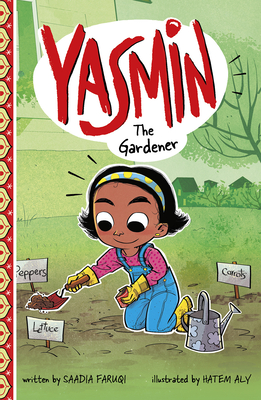
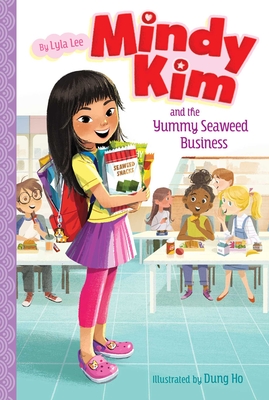
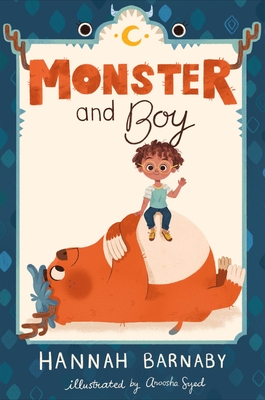
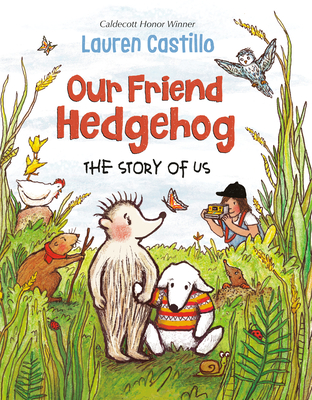
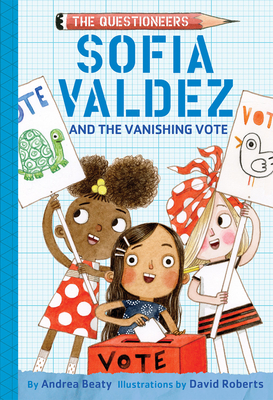
The Cybils are the long-running Bloggers’ Literary Awards given to books for children and teens. I’ll be breaking the finalists into three groupings based on reader age. This first one is for the youngest readers and includes the finalists for Fiction Picture Books, Easy Readers and Early Chapter Books, and Elementary Nonfiction:











 Waking Brain Cells