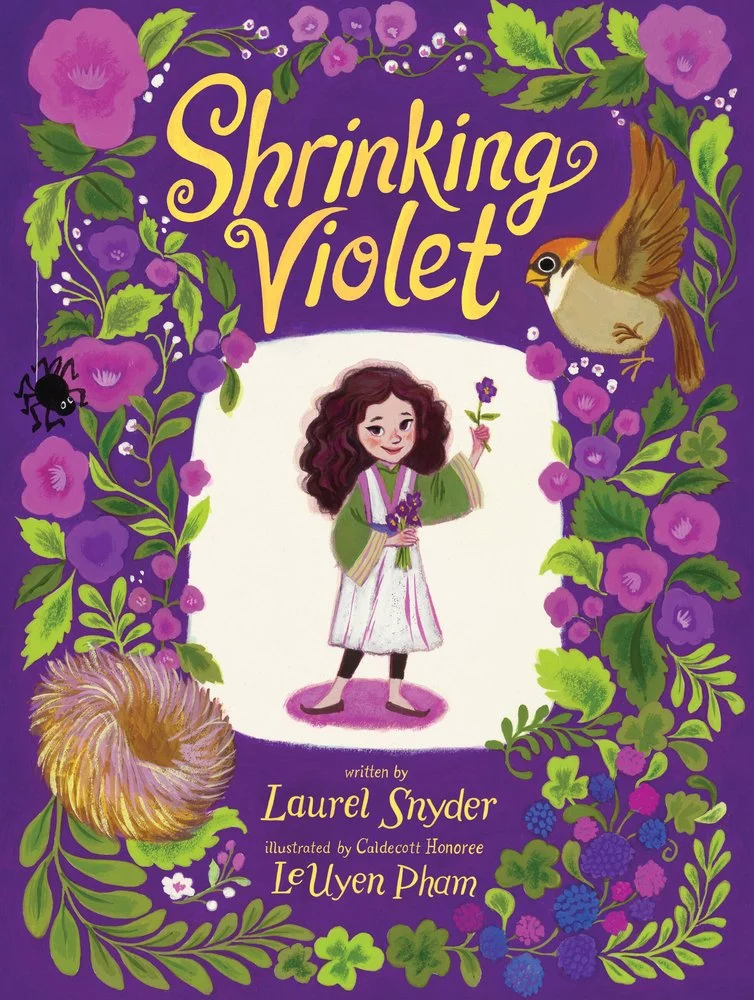
Violet lives in a castle by the sea with her friend Bird. Violet stayed at home, caring for the castle while Bird flew outside and sang. But every now and then, Violet got scared by something like a spider. And when Violet was frightened, she shrank smaller and smaller. After she shrank, she had to work to grow bigger again by thinking soothing thoughts and forgetting what scared her. At night, Bird stayed with her which made her less scared. But then one night, Violet woke up and Bird was gone. As Violet left the castle to find him, she got smaller and smaller. What can one tiny girl do to save her best friend?
Two award-winning children’s book creators come together to tell this relatable story about fears and overcoming them. Readers will appreciate the lack of lecture here, with the book focused on telling a great story and offering small tips about handling fears along the way. Snyder’s writing is brisk and strong, telling the story and carrying the reader along. Pham’s illustrations show the castle, Bird’s nest on the window sill and then capture just how small Violet becomes when truly terrified.
A magical story about fears and heroism. Appropriate for ages 3-6.
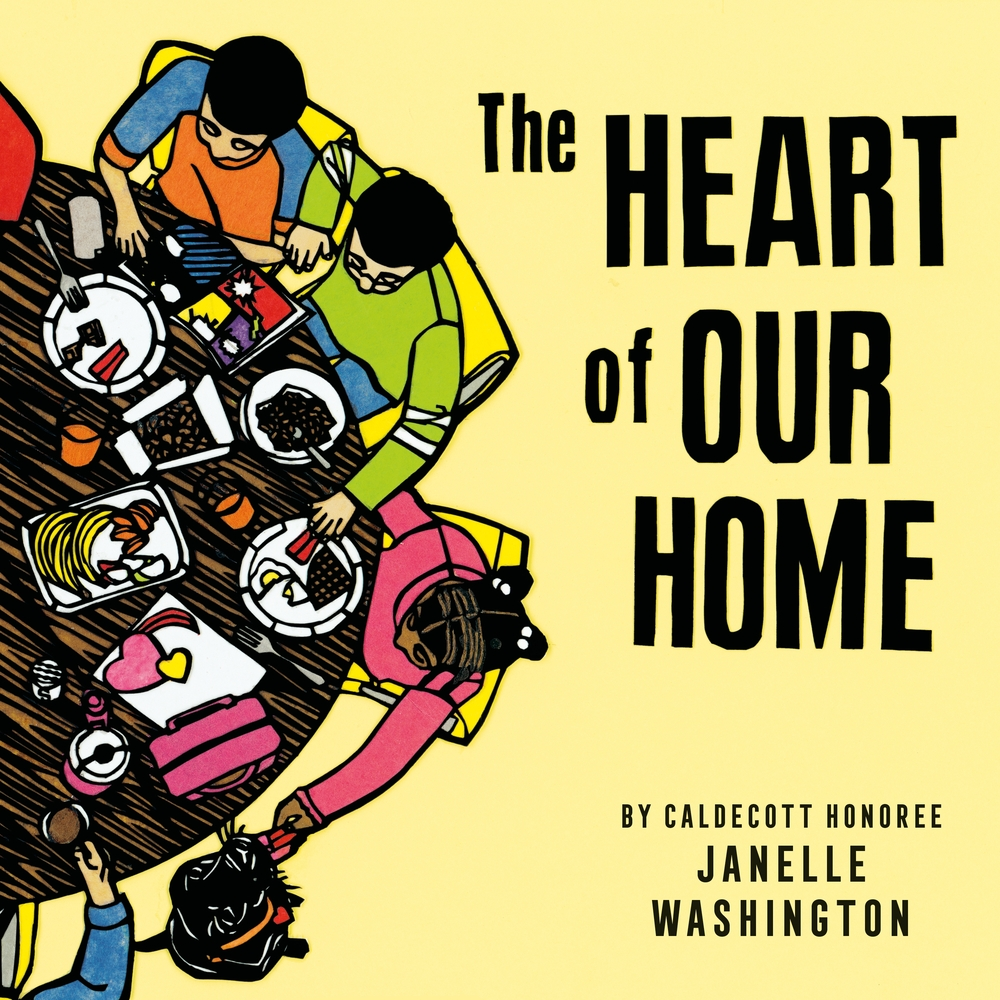
Gather around the kitchen table in this tribute to the room that is at the center of a Black American family. Morning starts with breakfast at the table. After school it is card games and baking treats. Dinnertime comes with setting the table more formally. It’s a place to spend time and be creative. A place to clean fish for the weekly fish fry. It’s a place for serious talks if someone gets in trouble. Friends are welcome at the table and many family celebrations happen there. On wash day, the table holds hair clips and bands right at hand. It’s a place to listen to grandparents and celebrate ancestors. A place to grieve when needed. A kitchen table is so many things to a family.
Washington offers a poetic look at a specific family gathering around their kitchen table. I love how she incorporates elements that are specific to the Black experience, such as wash day and Kwanzaa while also offering many experiences that are universal: meals, celebrations, grief. Her poetic lines capture the dance of the days and the full lives of families. As a Caldecott honoree, her art is exceptional. Using cut paper, she creates art that feels almost like stained glass. Yet the lines also manage to beautifully capture the emotions on her character’s faces.
Welcome to the kitchen table. Appropriate for ages 4-7.
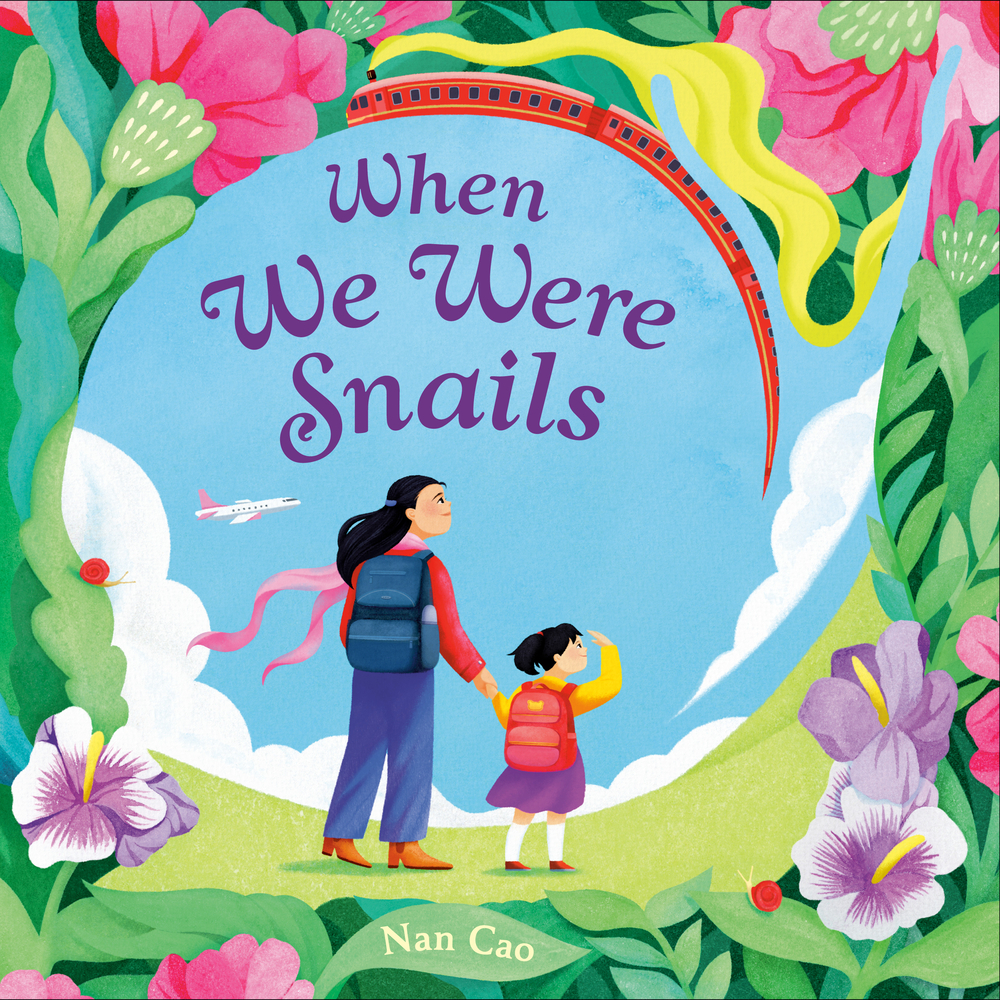
A little girl has grown up traveling with her mother from place to place. They were like snails, carrying their homes on their backs through their adventures. But then one day, her mother has to take a job in a bigger city and leaves the girl with her grandparents. The little girl missed her mother terribly, especially when she wasn’t able to come home as she had promised. When her mother finally came home again, it was wonderful. But then her mother had to go away for another job. This time though, the girl got to come too. They continued moving from place to place, new school to new school, together.
Cao captures the emotions of a child having to be left behind by a beloved single parent. Though her grandparents are loving and kind, it’s not the same. The emotions that Cao shares so beautifully on the page will resonate with children who may not have cried even though their feelings were deep and tragic. Children who have grown up in families that move a lot will find themselves reflected here with warmth. The illustrations are filled with art and family, sharing the coldness of being left and the flexibility of moving often through lines and structure.
A charming look at an adventurous life. Appropriate for ages 4-6.
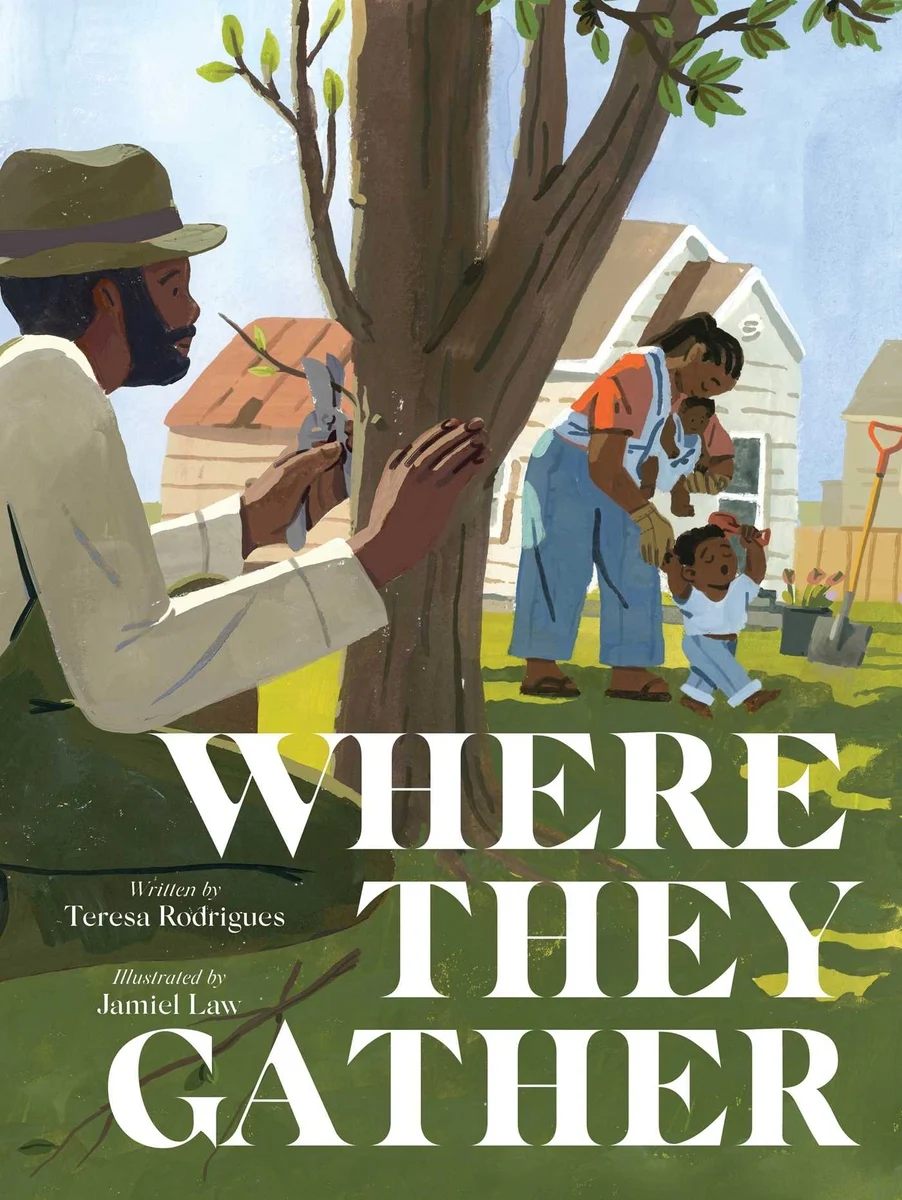
This is the poetic story of a family that built a home after Emancipation. On that land they planted roots themselves and also planted a pecan tree. That tree was the place they gathered in times of joy like playing together as children and at weddings. In autumn, the tree provided pecans to eat and sell. But times were not always happy. The tree was damaged, just like the family it sheltered. And just like that family, the tree regrew. The house was rebuilt and the family spoke up for change. They still gather under that tree, the symbol of them rising again.
Rodriguez and Law use both poetry and illustrations to fully tell the story of the family and its tree. The poetry is kept spare and clear, sharing a focus on seasons and resilience against them. Meanwhile, as the seasons change in the illustrations so do the lives of the family. Winter in the illustrations comes with a fire set on purpose and the loss of the grandfather in the family as well as the house. Then comes political action, marching for civil rights and new hope for the land and its people. Very powerfully posed together.
A powerful look at resilience, civil rights and the Black American experience.
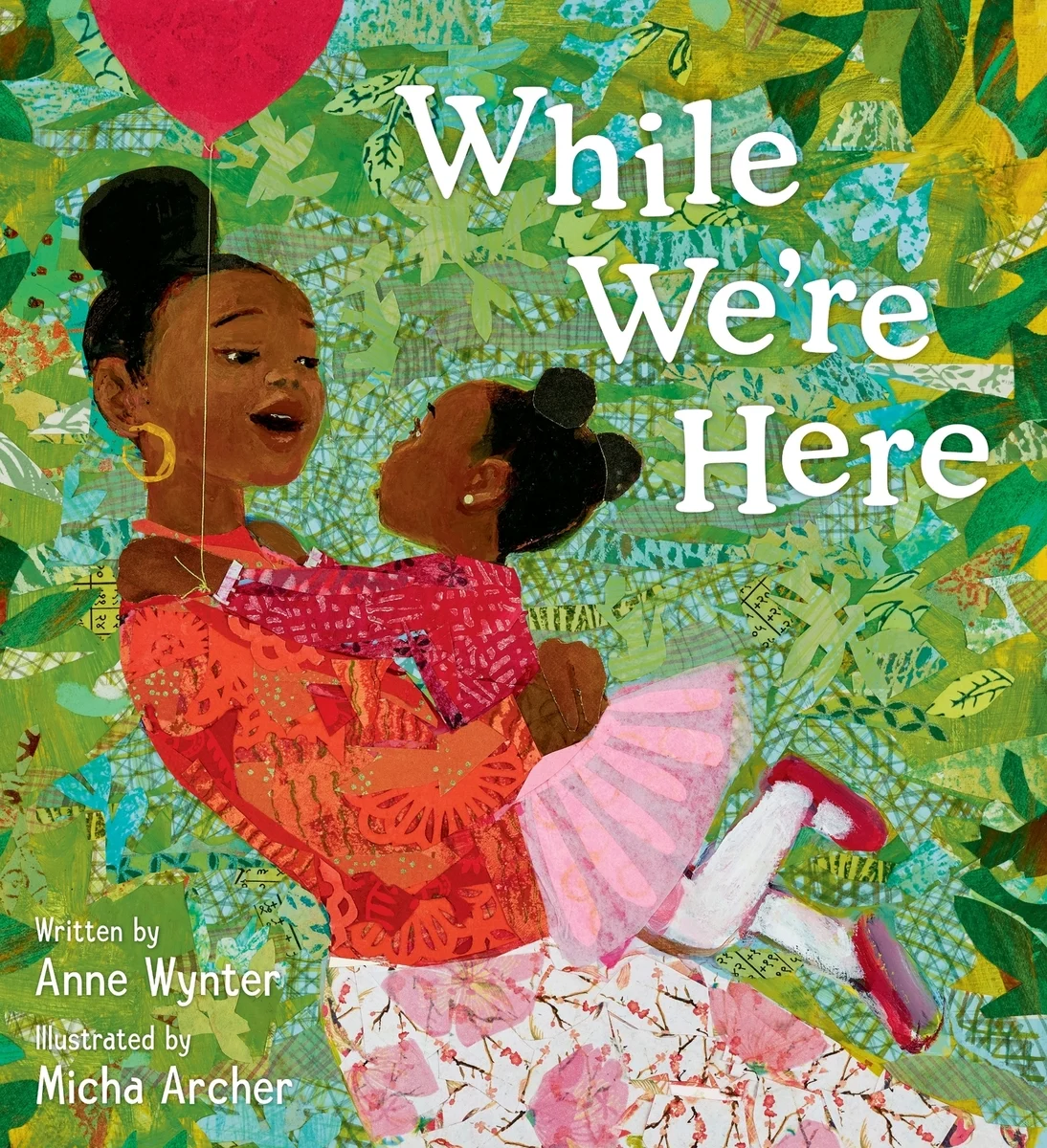
A mother and daughter hurry to get their jackets on and catch the train. Along the way a shoe is lost and found again. They reach a large park and head to where they need to be. But when they get there, the party was yesterday! Now they have lots of time, and while they are in the park why not roll down some hills, stroll past the pond, walk the trails, and sit under the trees together. They have nowhere else to be.
Written in brief and bouncy pairs of lines, this picture book is incredibly inviting for the youngest readers. I love the mistake at the center of the book and while it is disappointing to miss a party, the book emphasizes that this sudden treasure of time is not to be wasted but savored together. The illustrations by Archer are done in inks, layered paper and handstamped papers. She uses paper like paint, offering detailed textures that invite readers to slow down and look more closely.
A book worth spending extra time with. Appropriate for ages 2-4.
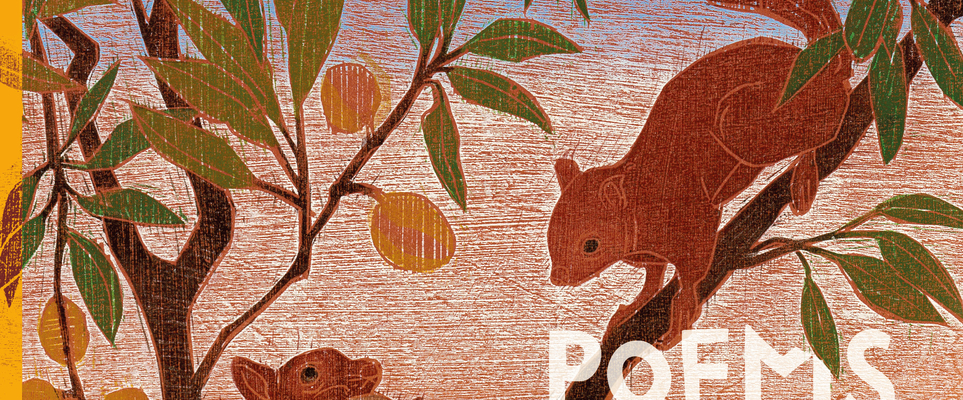
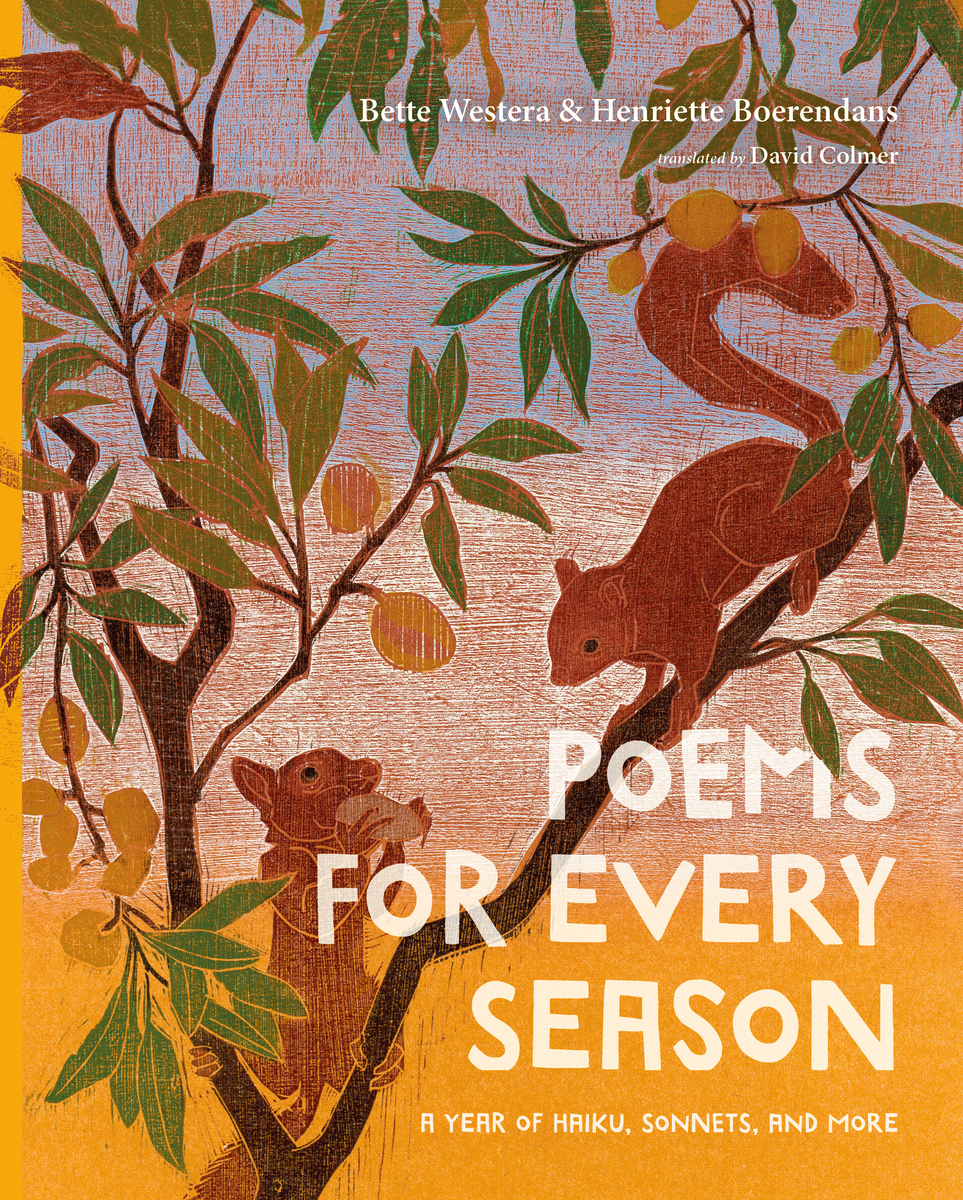
A beautiful volume of poems that share the senses of the season combined with a variety of poetic formats. Each season in the volume begins with a welcoming Haiku. That leads into each month of the year having a poem, allowing readers to feel both the deepest winter and also the promise of spring as the poems continue. It’s a volume of poetry that allows the poems to stand on their own while also becoming more while seen as a full year and volume.
The quality of the poems is exquisite, using both the content of the poem and the structure of the poem to share that moment in the season. This is all the more impressive given that the poems are translated from Dutch to English and still maintain rhythm and rhyme. The illustrations in the book are woodcuts, beautifully colored and delicate. They have an organic feel that fits the subjects perfectly and offer a beauty of image that rivals that of the poems.
A superb collection of seasonal poetry for children. Appropriate for ages 6-10.
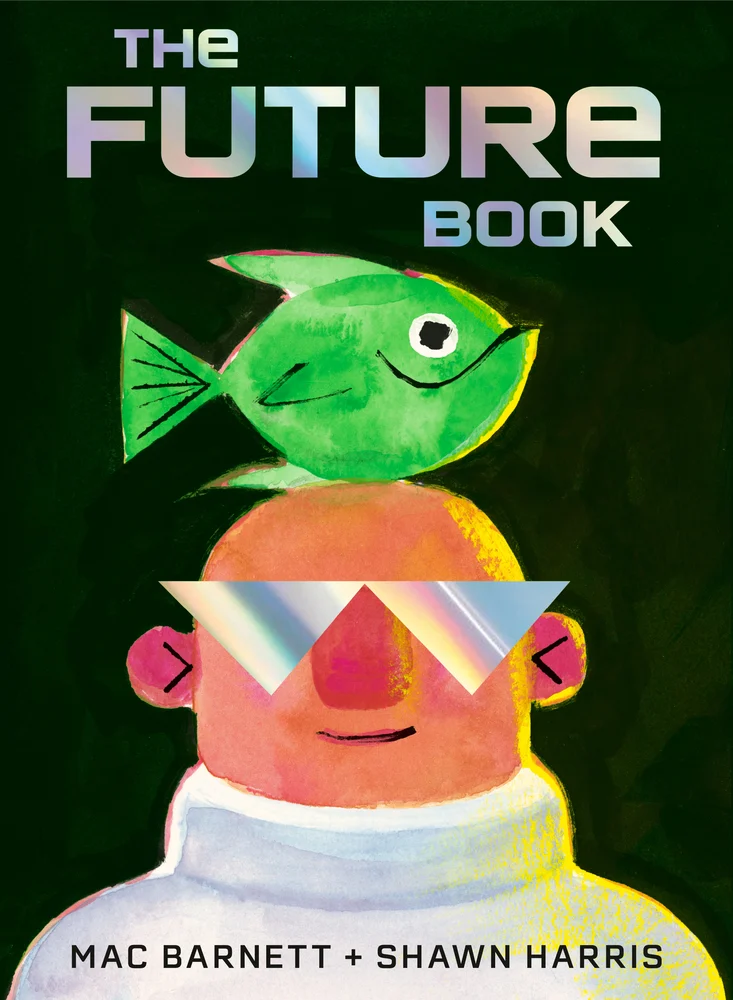
This book is from the future, where many things are different from current life. The sun and the moon have swapped names, so have morning and night. Bananas are called apples and apples don’t exist any more. Many people are now named Charlie Cheese Face. Animals have different names, but dogs are still called dogs. The way you say goodbye has changed too. And instead of saying thank you, you put a fish on the person’s head.
Silly as can be, this book has a marvelous nonsensical pay off as all the elements come together into a chaotic few pages using the future way of saying things. The humor is silly and will have children giggling at the nonsense of it all. Barnett’s playing with language is masterful as is his timing for this read aloud. The illustrations by Harris are bold and marvelously retro as we look to the future.
A funny book that must be shared. Appropriate for ages 4-7.
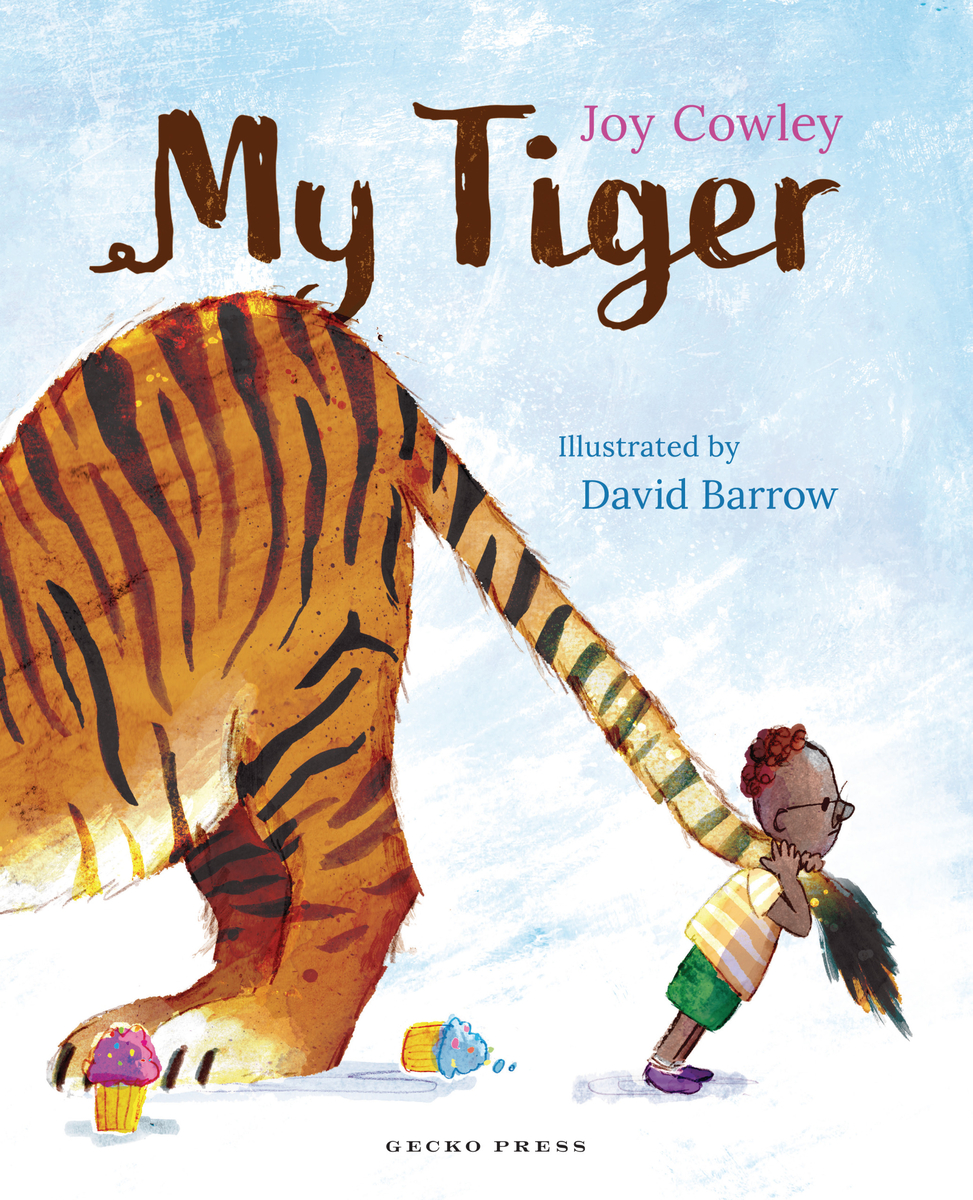
My Tiger by Joy Cowley, illustrated by David Barrow
Publisher: Gecko Press
Publication Date: March 3, 2026
Reviewed from library copy
ISBN: 9798765683200
A boy takes his pet tiger to the local bakery because the tiger loves to eat cake. The baker is a little worried, but the tiger only eats cake. But too much cake can lead to a bad tooth. Now the tiger has to be taken to the dentist. He doesn’t want to go and has to be convinced to get into the dentist chair. His tooth gets fixed but the boy is warned not to let his tiger eat cake anymore or other teeth will get damaged. So what’s a tiger to eat then?
This picture book has minimal words and moves along at a brisk pace, making it a great pick for antsy listeners at a program. Children surprised by the cake-eating tiger will see their own hesitancy about going to the dentist for a cavity. The twist at the end is a delight though more gentle-hearted youngsters might be shocked. The illustrations tell much of the story, like getting the tiger into the dental chair and the depth of the tiger’s love of cake.
A funny and sweet look at dentists and hungry tigers.
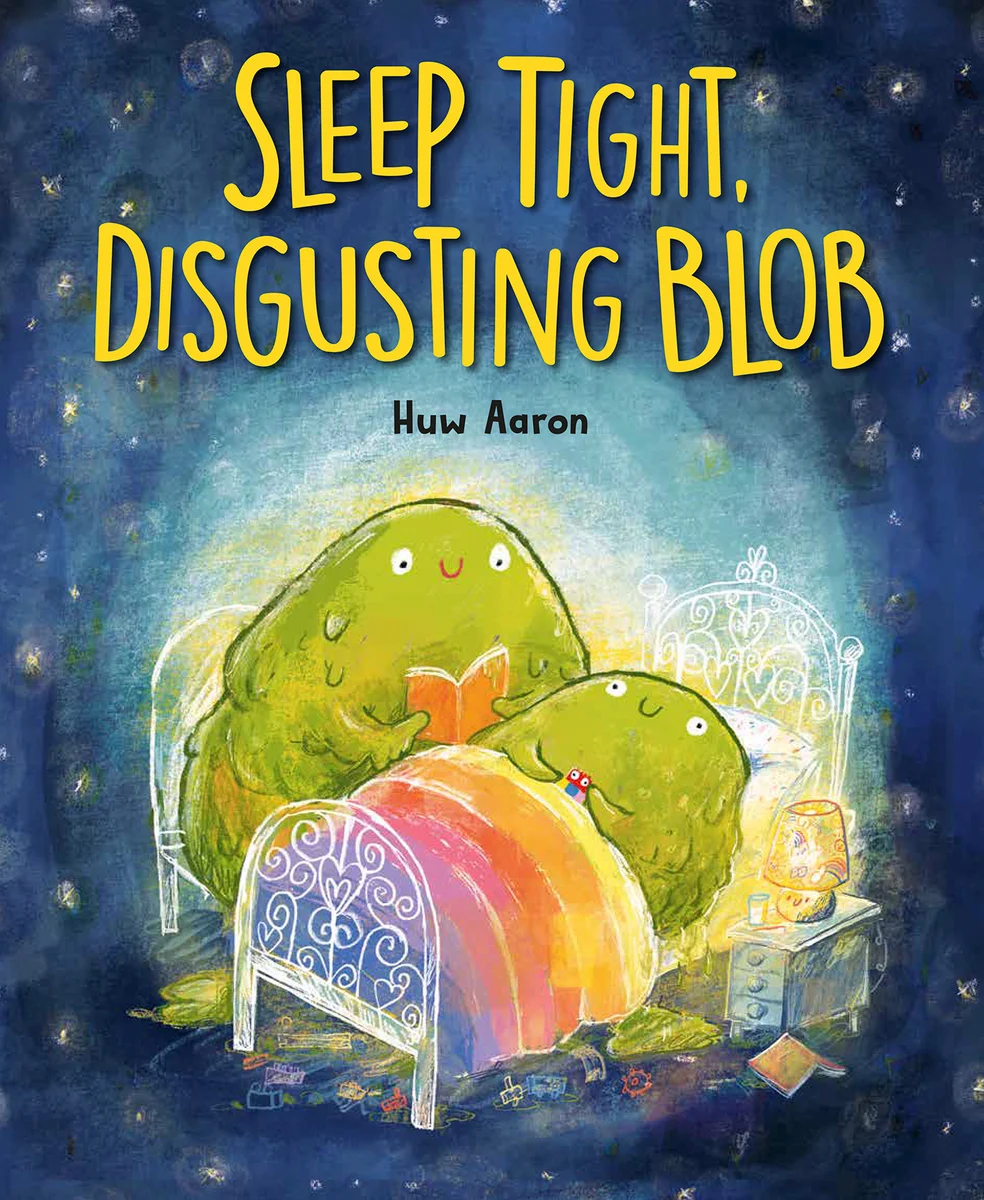
It’s time for bed for the young green blob, even though they aren’t quite done playing yet. The parental Blog points out that everyone is heading for bed too, even the Dark Lord, the Unspeakable Horror and the Yeti. Each are getting ready for bed in their own way. Rooms have been tidied with Skeleton putting her bones in the closet and little Mummy getting wrapped up tight in their bandages. Faces are washed, fangs are brushed, and silky PJs and warm milk have been used. Soon everyone is getting sleepy, even the little Blob.
Aaron leans hard into the humor in this monster-filled picture book. The mix of bedtime story and horror creatures is a delight with far more creatures included than anyone might expect on their first read. I guarantee this is one that monster-loving children will want to hear again and again. This picture book was included in the Carnegie Illustration longlist for 2026, and the illustrations don’t disappoint. They are merrily filled with monsters in jammies and getting ready for bed. The details are marvelous, each one just right for the character, including pink fuzzy monster slippers for Frankenstein, the Minotaur reading a book of mazes in bed, and the Witch asleep on her broomstick.
Don’t save this one for Halloween, it’s a great bedtime read any time of year. Appropriate for ages 3-6.
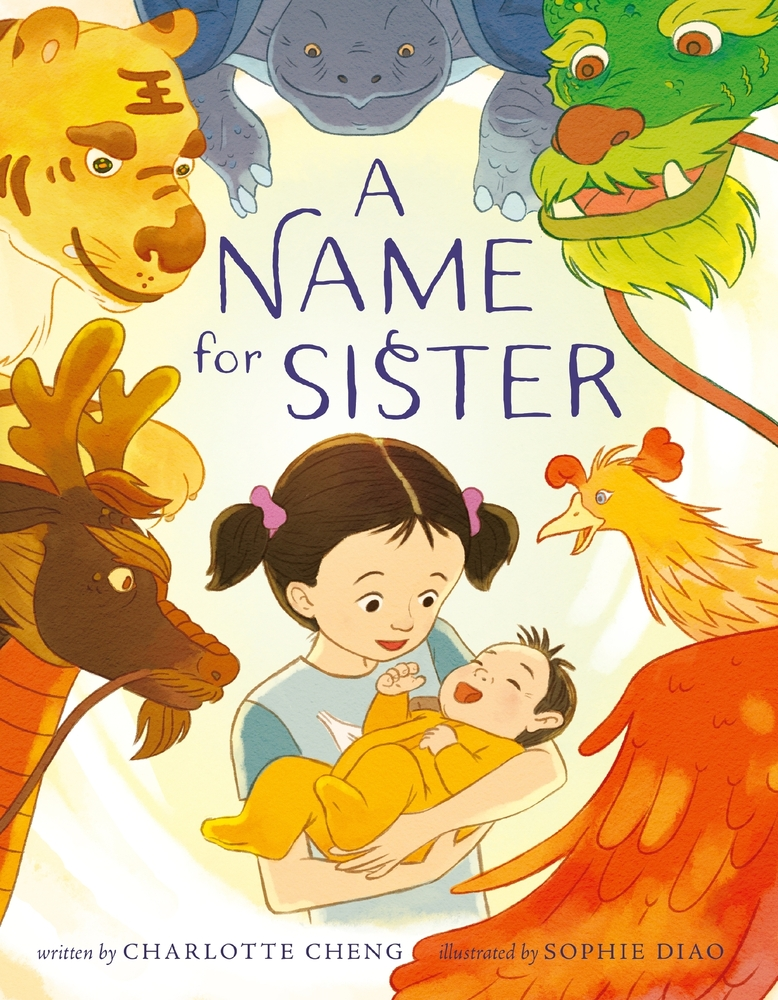
Sister was born and didn’t have a name until the teller arrived. She was an older woman and counted the hours and minutes of Sister’s first day. Then she listened to the family’s hopes and dreams for Sister. The teller said that five spirits would visit and Sister would have a name after that. Fire spirit offered passion and grace filled with train rumbles and fireworks. Earth spirit offered honesty and stability with warm dirt, dog hair and potato snacks. Gold spirit gave clinking coins and a chain, offering strength and ambition. Water came that night with soup and bubbles, offering brightness and wisdom. Finally, Wood spirit arrived with papaya and leaves, offering creativity and prosperity. Out of those gifts, a name was formed in Chinese characters, one you will have to read the book to discover.
Cheng’s text invites readers to experience a playful look at how Chinese names are created with the help of a fortune teller. While families may not actually be visited by spirits who resemble tortoises, dragons and tigers, they do participate in a longer ritual to decide Chinese names and how they are written. This picture book is filled with the joy of a new baby and the beauty of deciding on a fitting name. Diao’s illustrations capture the family’s awe at the spirits, the gifts they bring, and offer a dynamic look at the various elements at play.
A creative approach to Chinese naming rituals that all readers will love. Appropriate for ages 3-5.
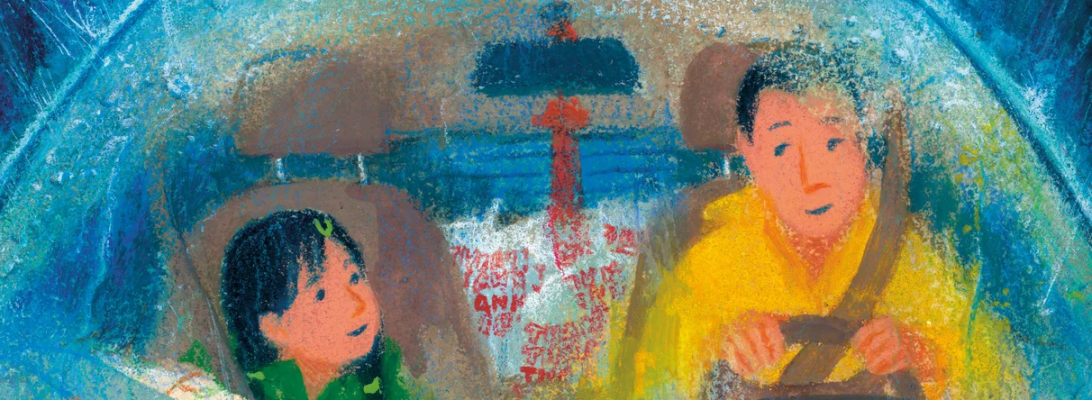
A little girl helps her father deliver takeout from their family restaurant. The entire car steams up and smells like sauces. Baba drives while she looks up addresses and uses a map to navigate. They make their way through the rainy night. First they stop at a regular customer, an older woman who needs her food cooked soft. Baba offers her oil for her pain as well as the food. At the next house, a girl her age is waiting, but she doesn’t want to interact and show her face. It’s weird being out at night delivering food. Baba notices and shares a story of a night of his childhood where he was selected as the one person in the family who could travel to New York City. As his journey years ago shadows theirs today, the deliveries are all made. Finally they can go home to their family and eat together, the night navigated once more.
Leung perfectly depicts the fear of a child of being strange due to their family expectations and needs. Told in the first person, this picture book draws readers into the car along with the father and daughter. The tale is drawn from the author’s childhood and is resonant with empathy for children of immigrants navigating their own paths. The illustrations take a rainy night and make it both beautiful and haunting. The car becomes their own small world, the windows marked and lit with the water.
A powerful look at families, language and the roles of children. Appropriate for ages 4-7.
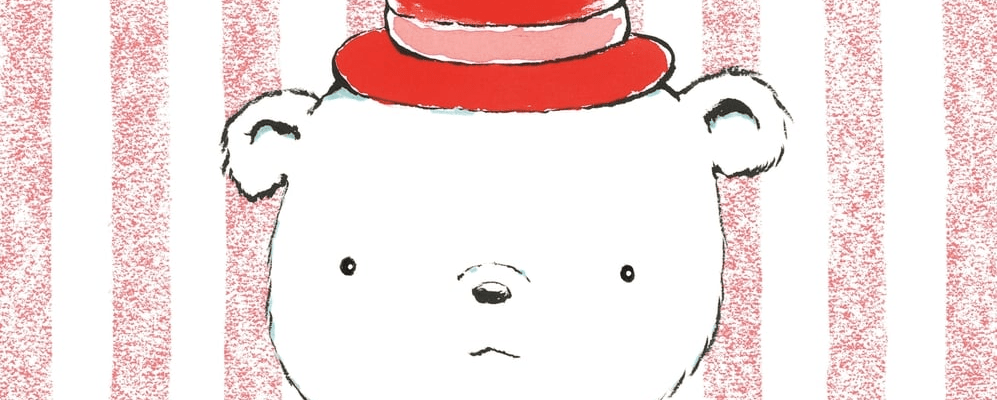
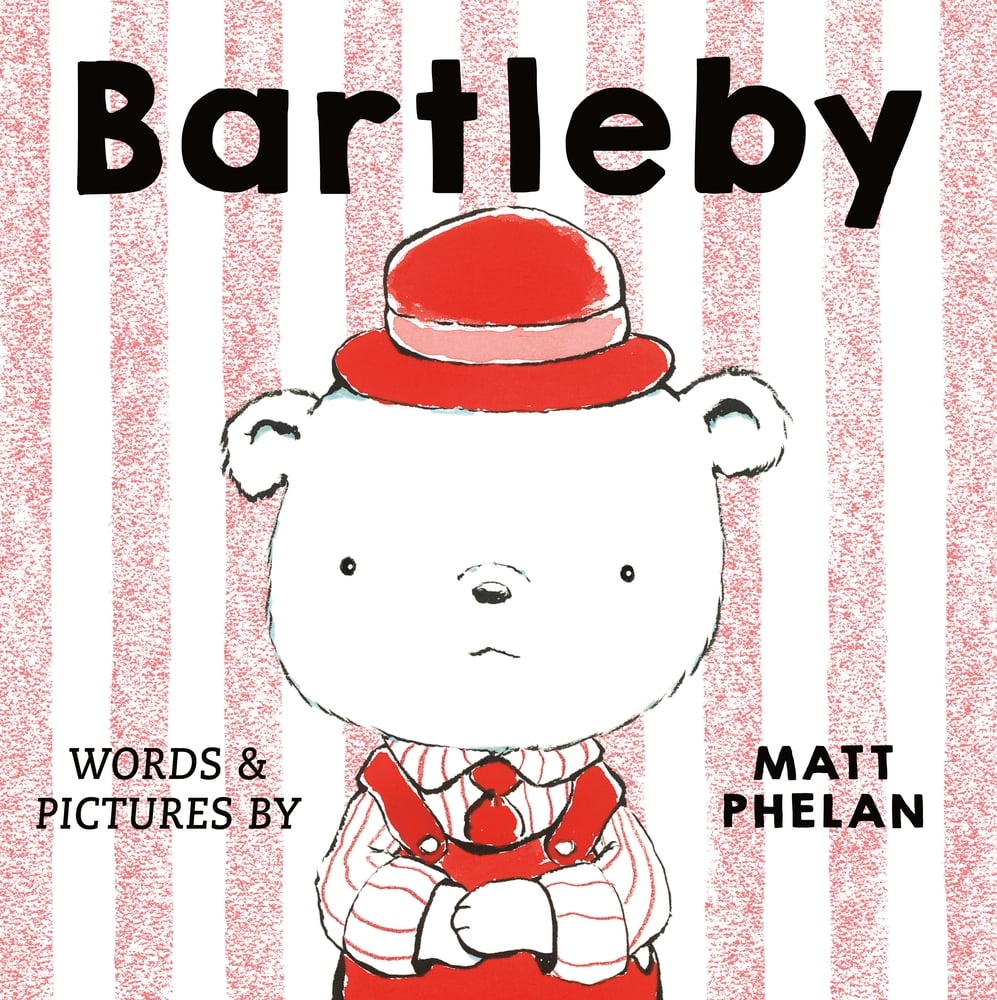
Bartleby is a little bear in a bowler hat who refuses to do things a lot. He says “I prefer not to” when asked to share what he did over the weekend with the class. He says it when the rest of the class plays the giant xylophone and sings silly songs. He says it during play time and spends it all alone. When his teacher asks the class to do self-portraits, Bartleby whispers his idea to her. Soon Bartleby has contributed just the right thing to complete their portraits and seems like he’d like to join in more tomorrow.
As a shy child myself, I immediately recognized the quiet use of a polite phrase to turn others away. Phelan captures this with empathy and shows how isolating it can be to have so many defences up. I appreciated that Bartleby figures out the solution on his own, speaks to his teacher and shares his idea with the class. The illustrations in this charmer of the picture book use color to show how separate Bartleby becomes with his stand-offish approach. Bartleby is unique in his class in more ways than one thanks to his more formal clothing too.
A book about shyness that offers space and opportunity for growth. Appropriate for ages 3-6.
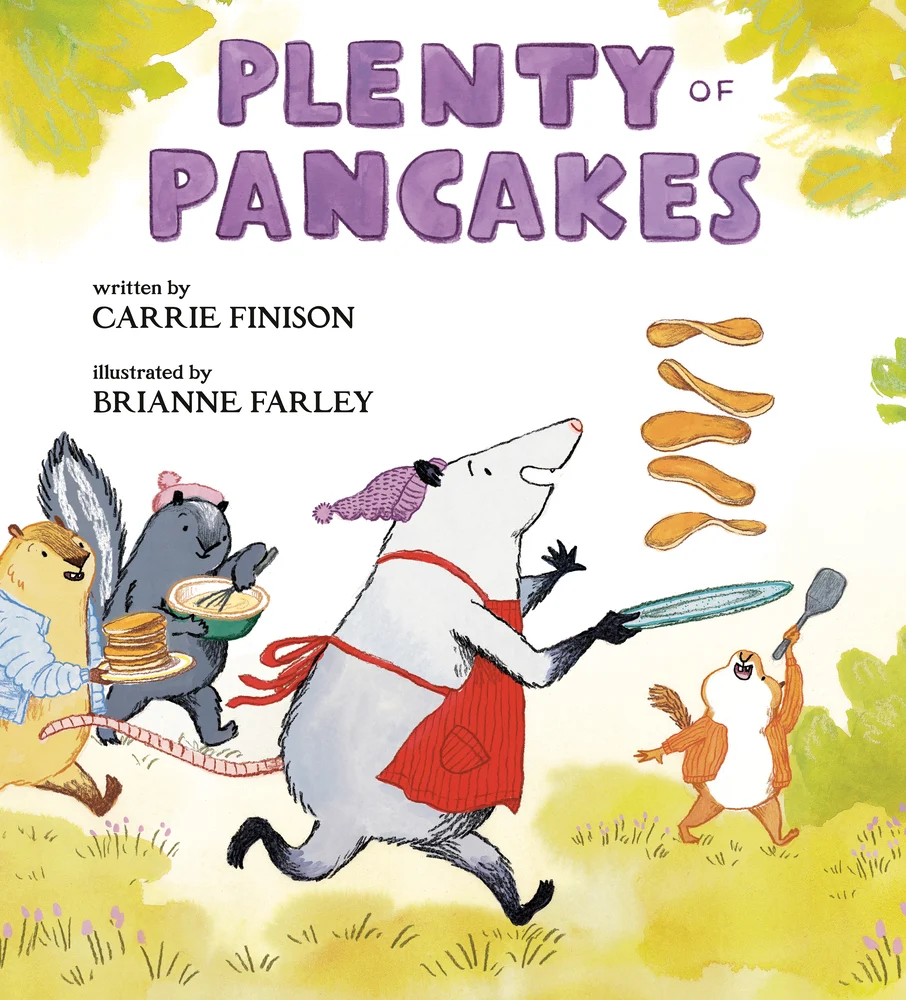
Topsy the Opossum has brought all the equipment and supplies to make a Welcome Spring meal for her friend LouAnn. LouAnn the Bear will wake soon from her hibernation and pancakes are just the right thing for a hungry bear in spring. Soon the table is set and five perfect pancakes are set out. When Topsy turns her back though, there is a “CLUNK!” and the pancakes are gone. Topsy makes five more pancakes, but once again they disappear. Could it be squirrels or birds? Over and over again Topsy makes pancakes and they are gone. Topsy is worried about running out of ingredients and the time is getting closer and closer to LouAnn waking up. More forest friends come to help make pancakes and soon they have plenty of them for one hungry bear. But how about for one mama bear and her new cubs?
Written with a merry frenzy of pancake flipping, hot griddles and fast-moving cubs, this picture book reads aloud brilliantly. The text is welcoming and invites readers right into the action. The illustrations are a delight as readers will soon glimpse the pancake thieves and realize what is happening while the text only shares Topsy’s point of view. The noises of each theft changes, making the book all the more dynamic.
Pancake lovers will flip for this one. Appropriate for ages 3-6.
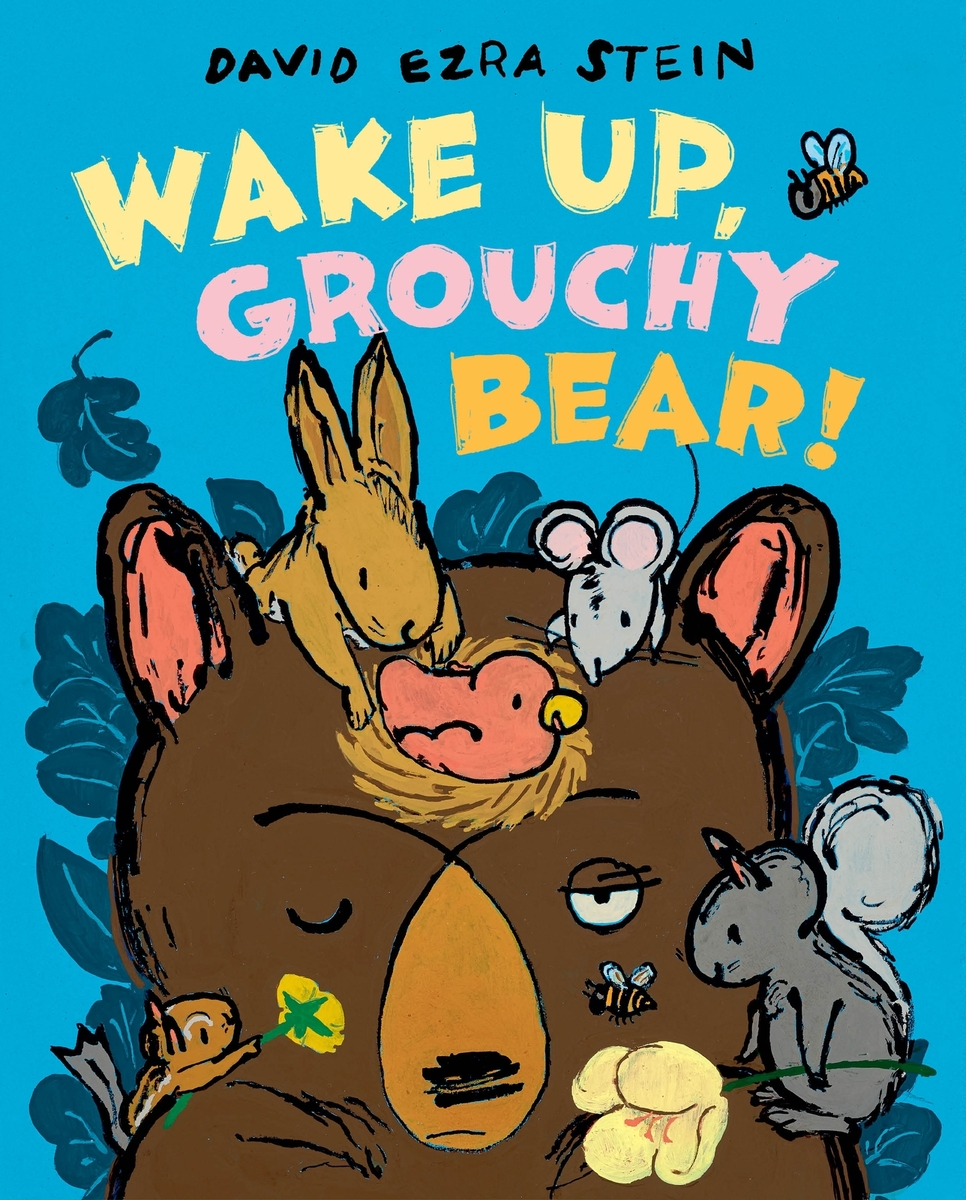
The weather is warm and the flowers are out, but Bear is still sleeping. His animal friends decide to check on him, but they have to be careful since Bear gets very grumpy if they wake him up. At first he sneezes from the dust, but goes back to sleep. While the friends wait for him to wake, they gather flowers, open the curtains and even paint Bear’s toenails. Bear wakes up on his own, roaring and rather grumpy. But he sees his friends, tastes some berries and realizes that it’s spring. Time to play!
Stein’s book about Bear is a merry look at a grumpy waking process. The love the friends have for Bear and their patience as he wakes himself adds to the warmth of this springtime read. The decoration of Bear in flowers and painted toenails results in something whimsical and charming rather than what readers might anticipate. The art is done in deep colors with bear chocolate on the page and the spring flowers a tropical cornucopia. The blues of Bear’s deep sleep add to the contrast.
A friendly look at a bear in springtime. Appropriate for ages 3-5.
Publisher: Simon & Schuster Books for Young Readers
Publication Date: March 3, 2026
Reviewed from copy from publisher
ISBN: 9781665974943
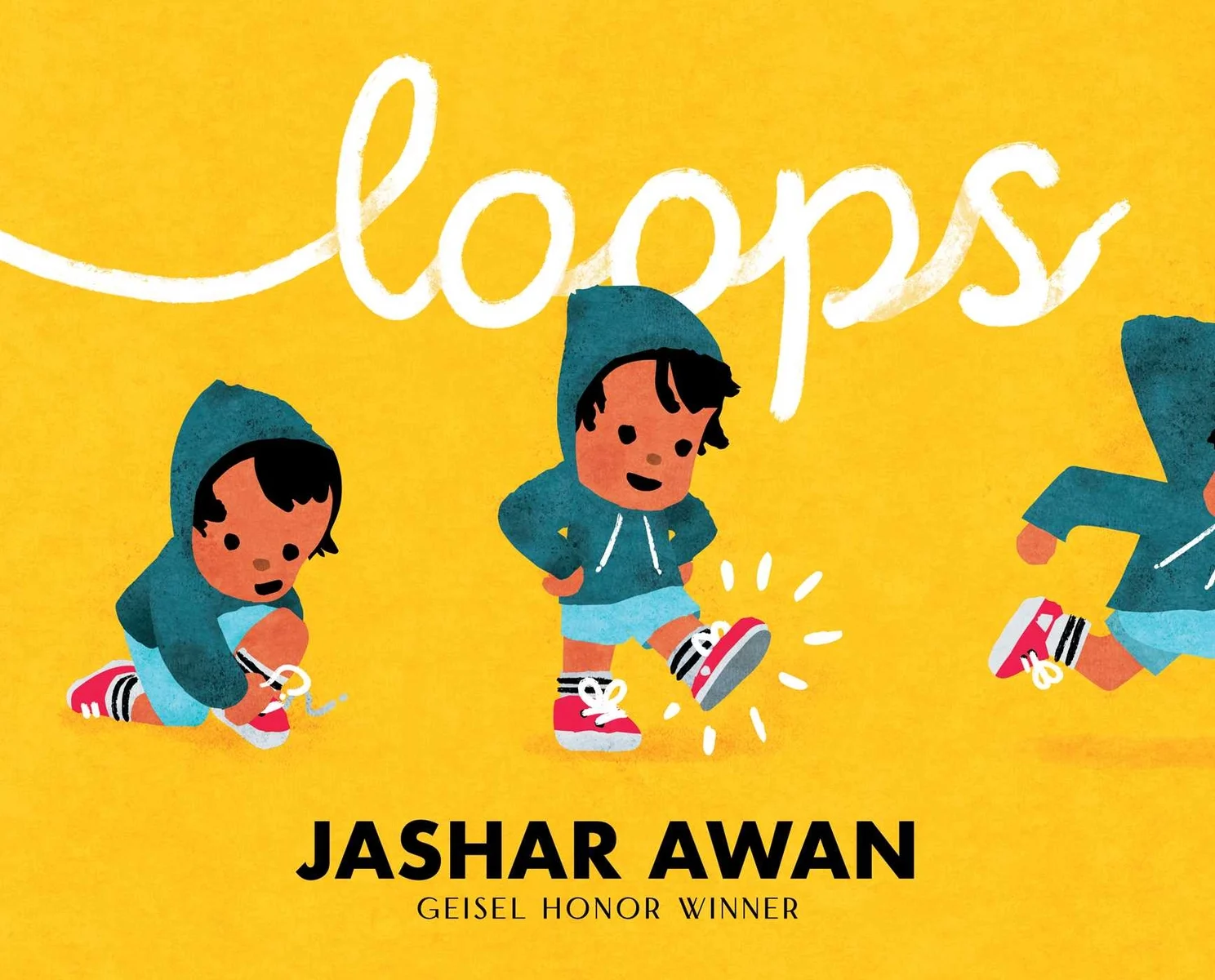
A big kid keeps losing his new shoes because they are too big with room to grow. They just have to be tied really tight. Wanna see how you tie them? They are still learning to do it, but they know they can! Being a big kid doesn’t come all at once, it takes practice. Like learning to swing on the big swings without having to have a push to get started. Whoops! Shoe is untied again. It could take a few tries to get it right. After playing on the slide and the merry-go-round, the shoe is missing again. Where could it be? Then the big kid has one big idea.
Awan once again captures the emotions of a child just learning to do big-kid things. Their inner monologue is wonderful to spend time with as they cheer themselves on and don’t give in to mishaps or mistakes. The title is marvelously on point both with the lace tying and the ending of the book that is very clever and will have you reading the book again. The art is bright and vibrant, inviting children to see the world alongside the young narrator.
Just right for any big kid wannabe. Appropriate for ages 3-5.
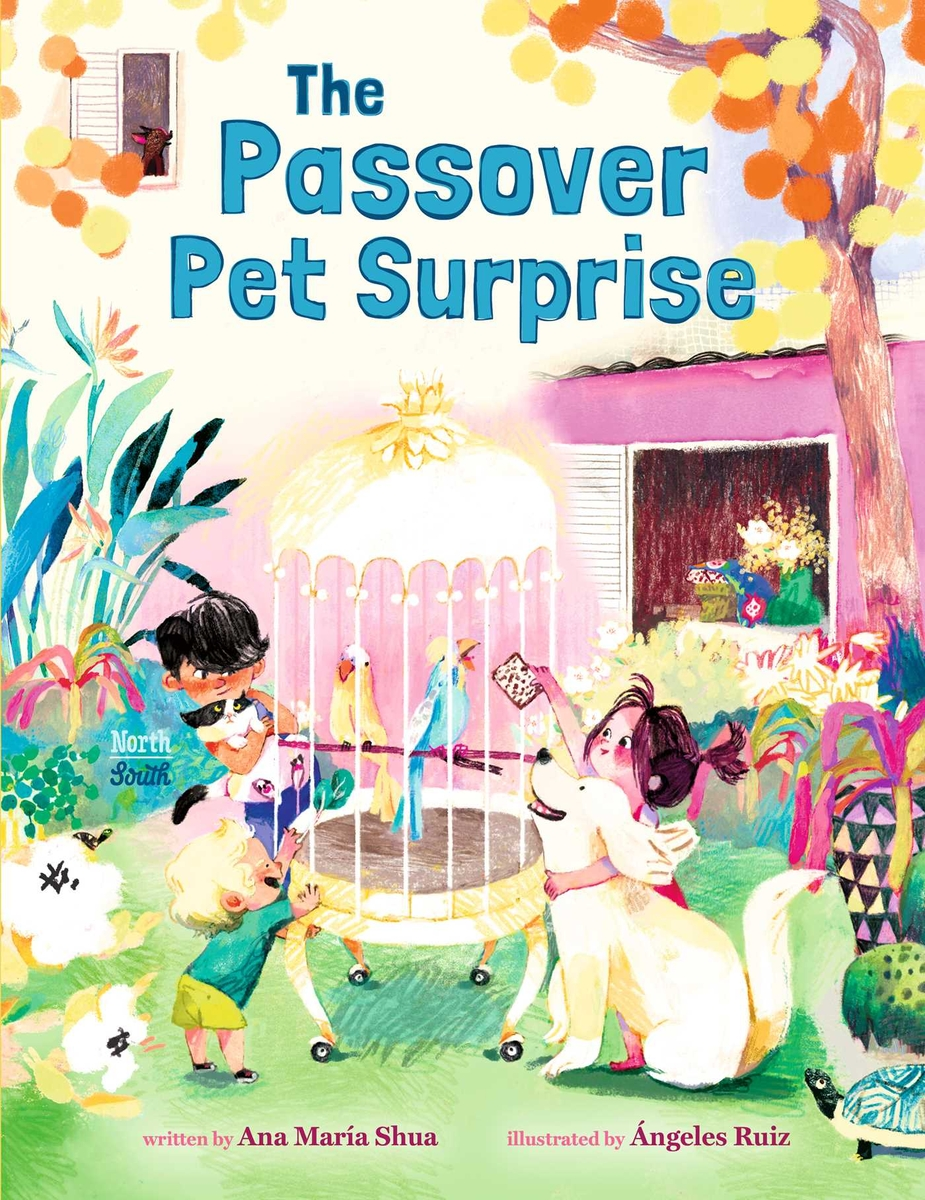
Jordanita and her family are spending Passover in Argentina. What she loves most is how many pets her aunt, uncle and cousins own. When they get there, they spend time with all the animals. The turtles and dog join in on the water fight. Even the pet parrots are moved to the garden to watch the fun. The family gathers for Passover dinner and they talk about freedom. When Jordanita spots the birds, she thinks about freedom and knows just what to do. In the morning, when the parrots are missing, she has to admit what she did to her entire family, learning that taking care of animals can sometimes mean not letting them go free.
Shua tells the story of this big merry Jewish family with such warmth and love. It’s like being invited to share their table with them. The jolly chaos of a holiday spent together is captured on the page both in the text and illustrations. Those illustrations are filled with small details and show clearly the diversity within their family. I particularly appreciated that there was no neat ending about the parrots returning to their cage.
A diverse title ideal for Passover collections. Appropriate for ages 4-6.
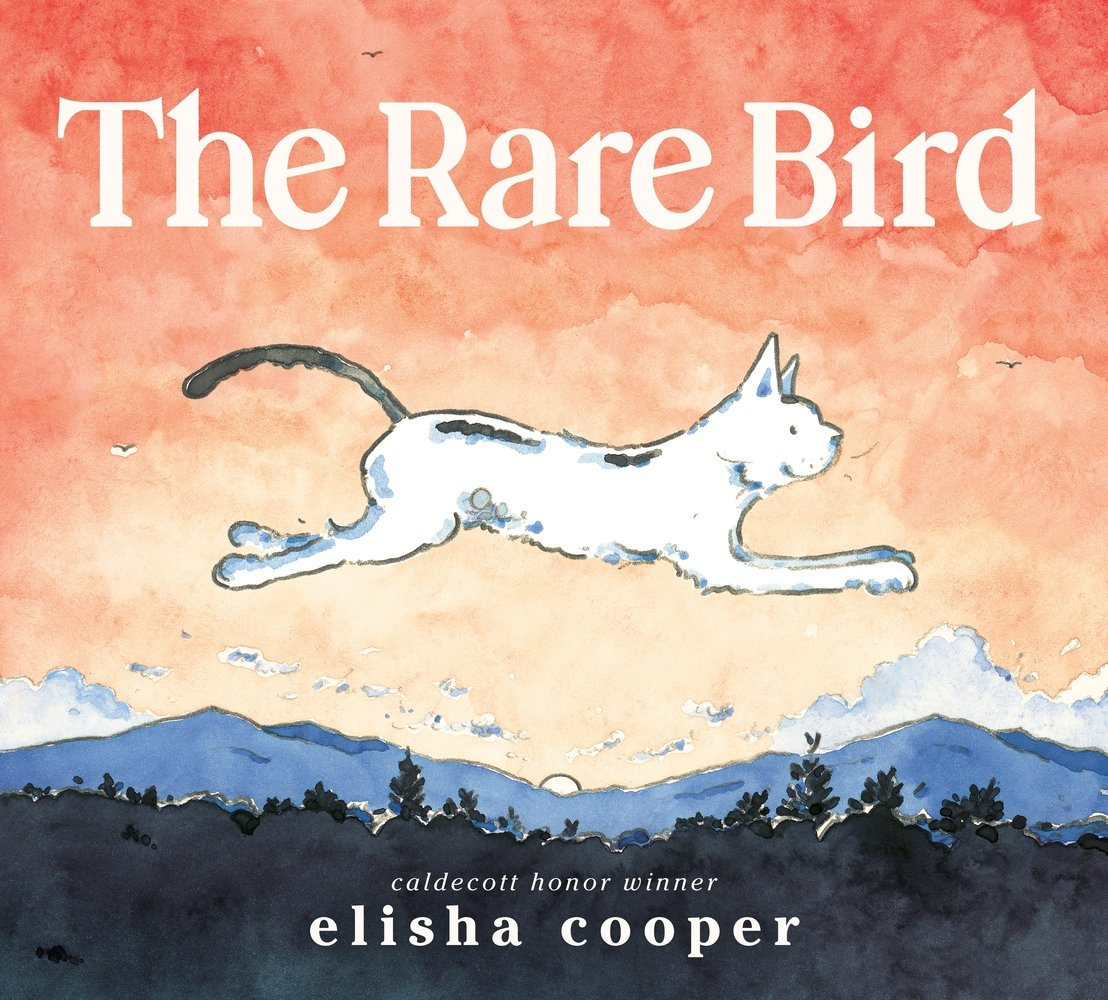
The Rare Bird was flying through the forest, knocking leaves off the trees. While the pictures tell a very different story than the text, a cat leaping through the living room. Rare Bird climbed on a rock, which was actually the dog. Rare Bird did all sorts of birdy things, which also in the real world matched cat activities. Even his dreams were filled with bird thoughts. At night, he was read a story about other animals and became an Elephant!
Cooper brilliantly allows his text and images to directly contradict one another. Children will love seeing the ways in which the cat’s life and imagined bird activities overlap as curtains are ripped, boxes are napped in and the dog slumbers on. Cooper’s text is flatly narrative like a nature program while the images are jaunty and humor-filled.
A delight of catty attitude. Appropriate for ages 3-5.
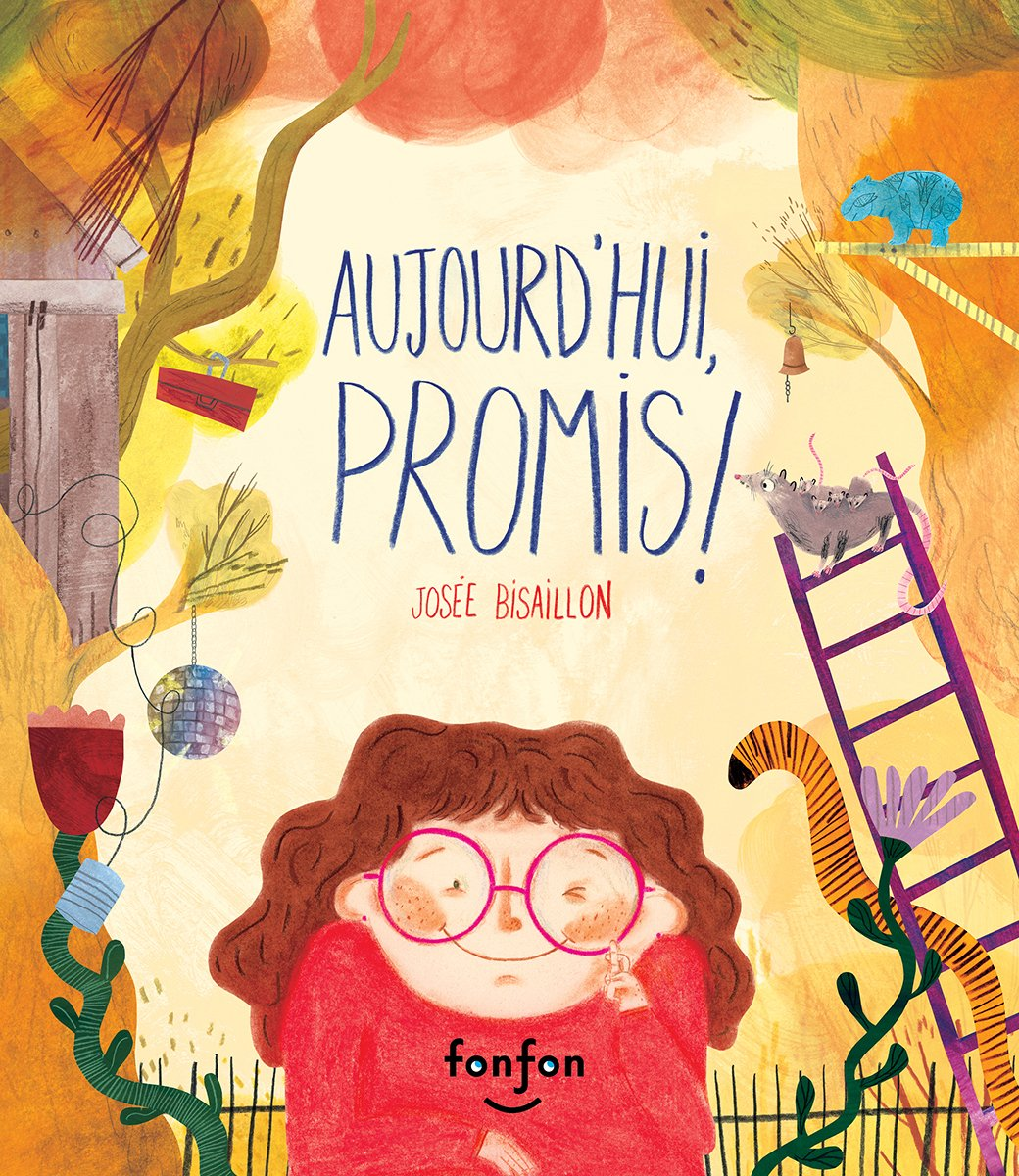
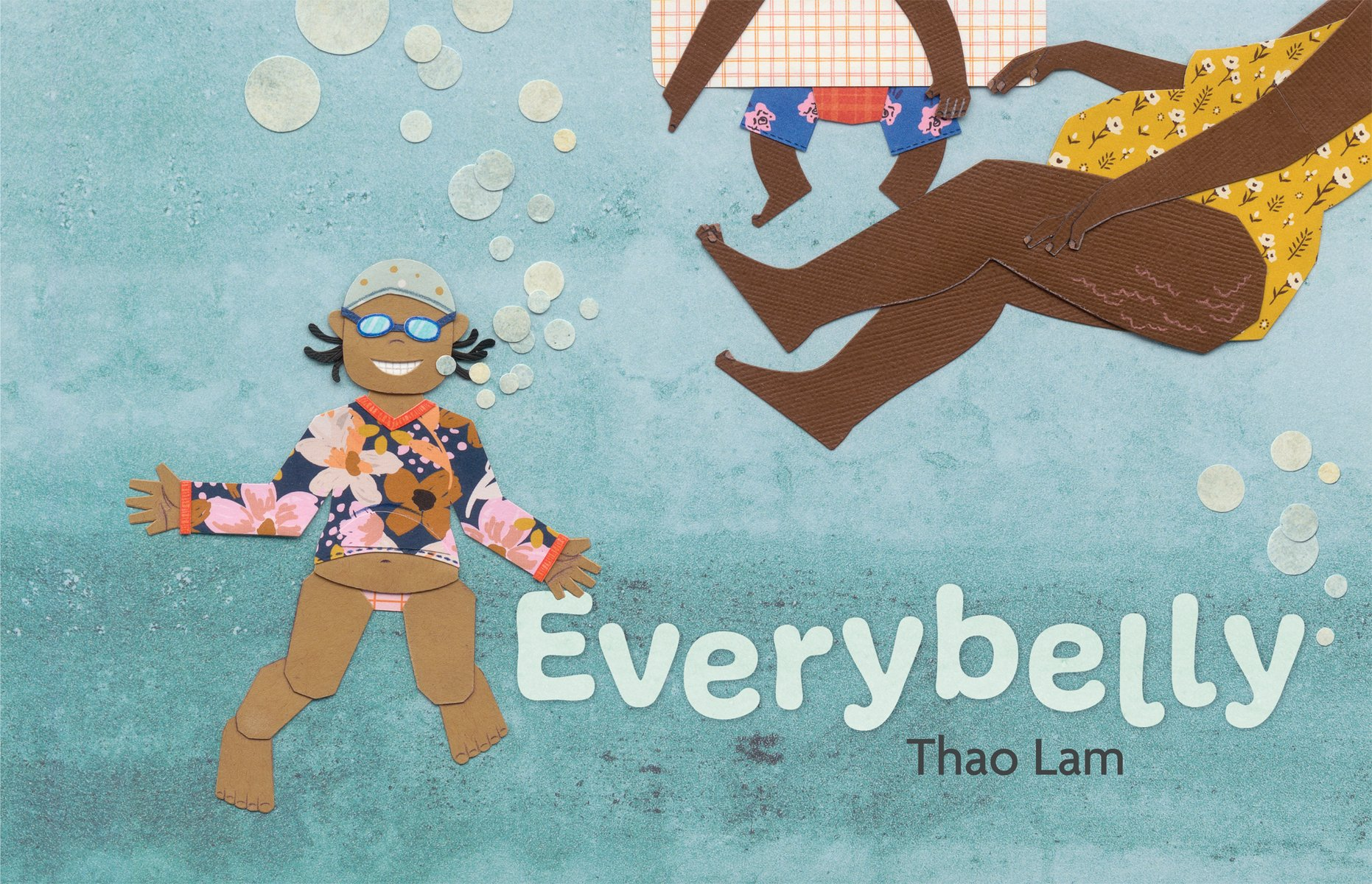
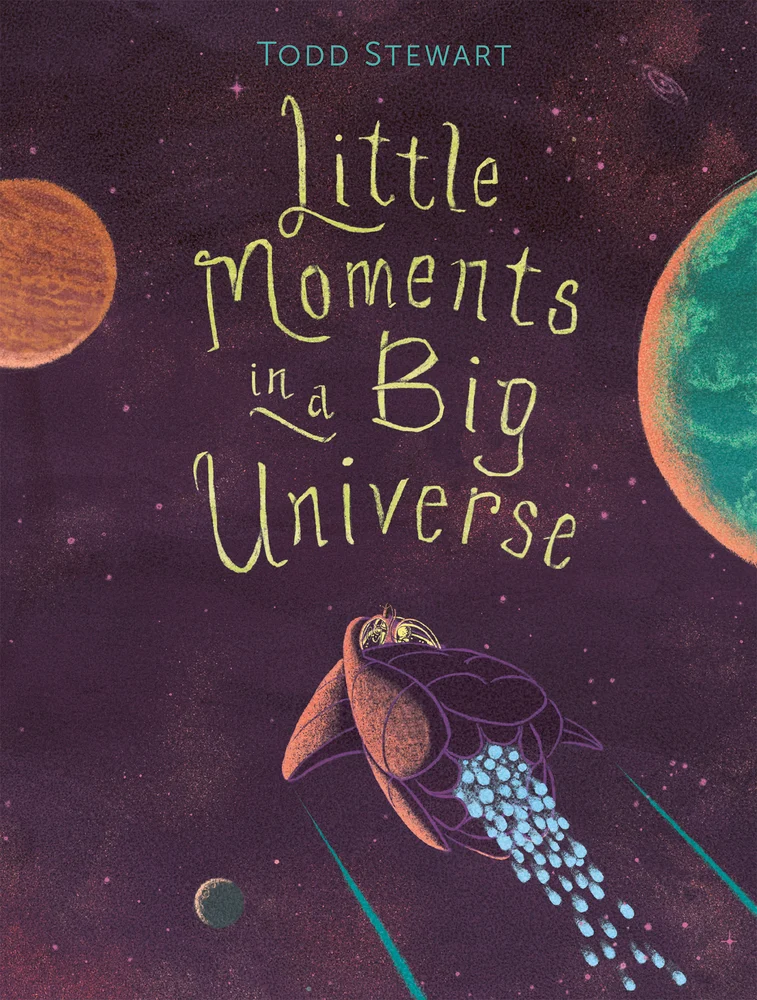
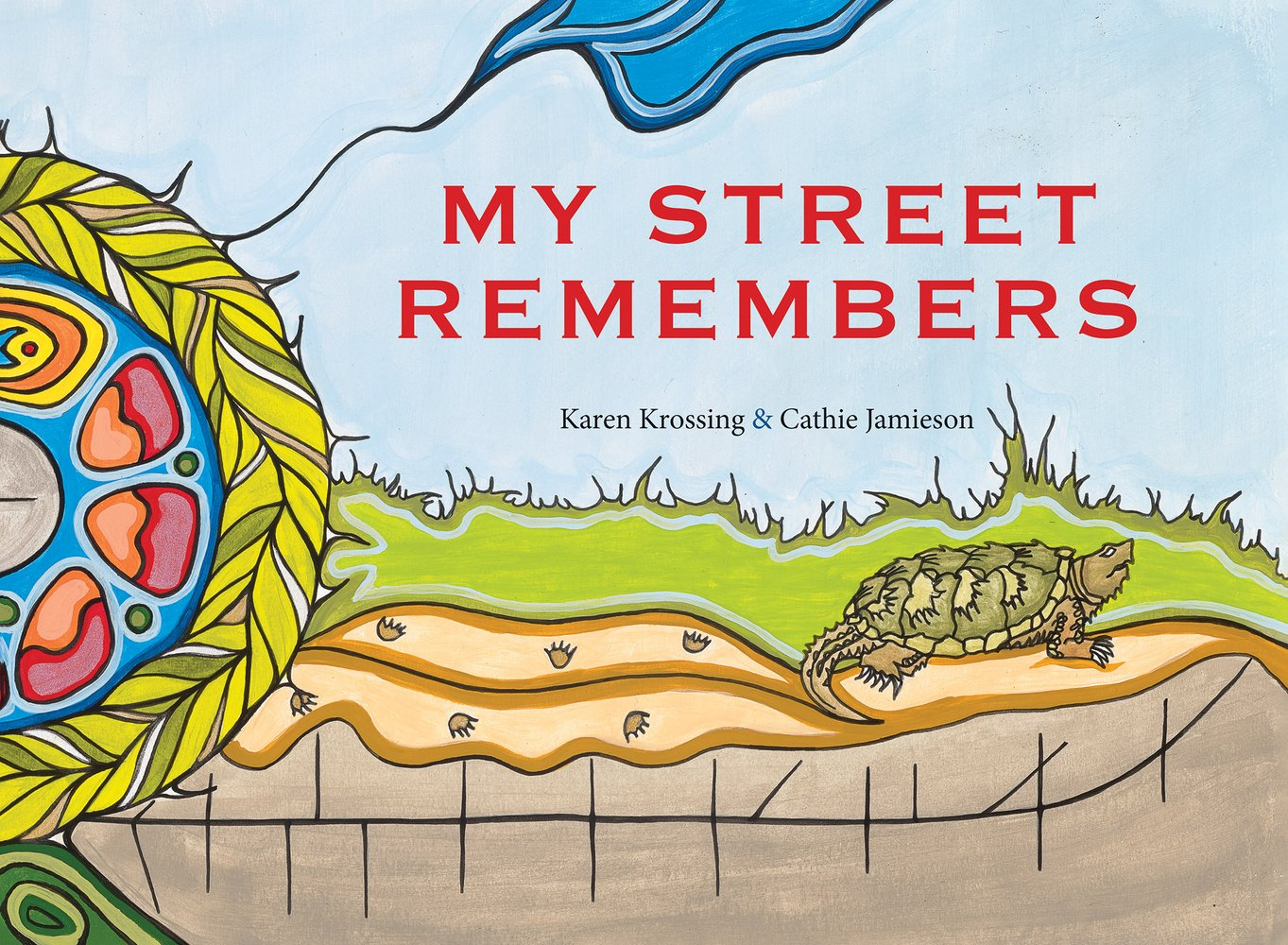
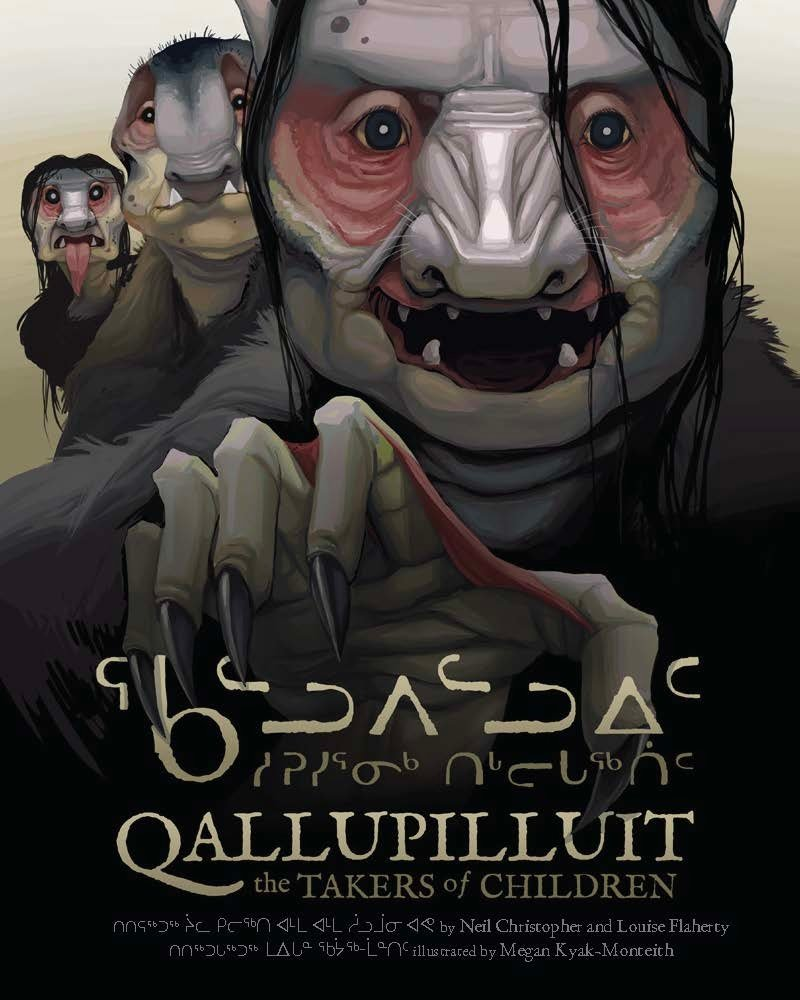
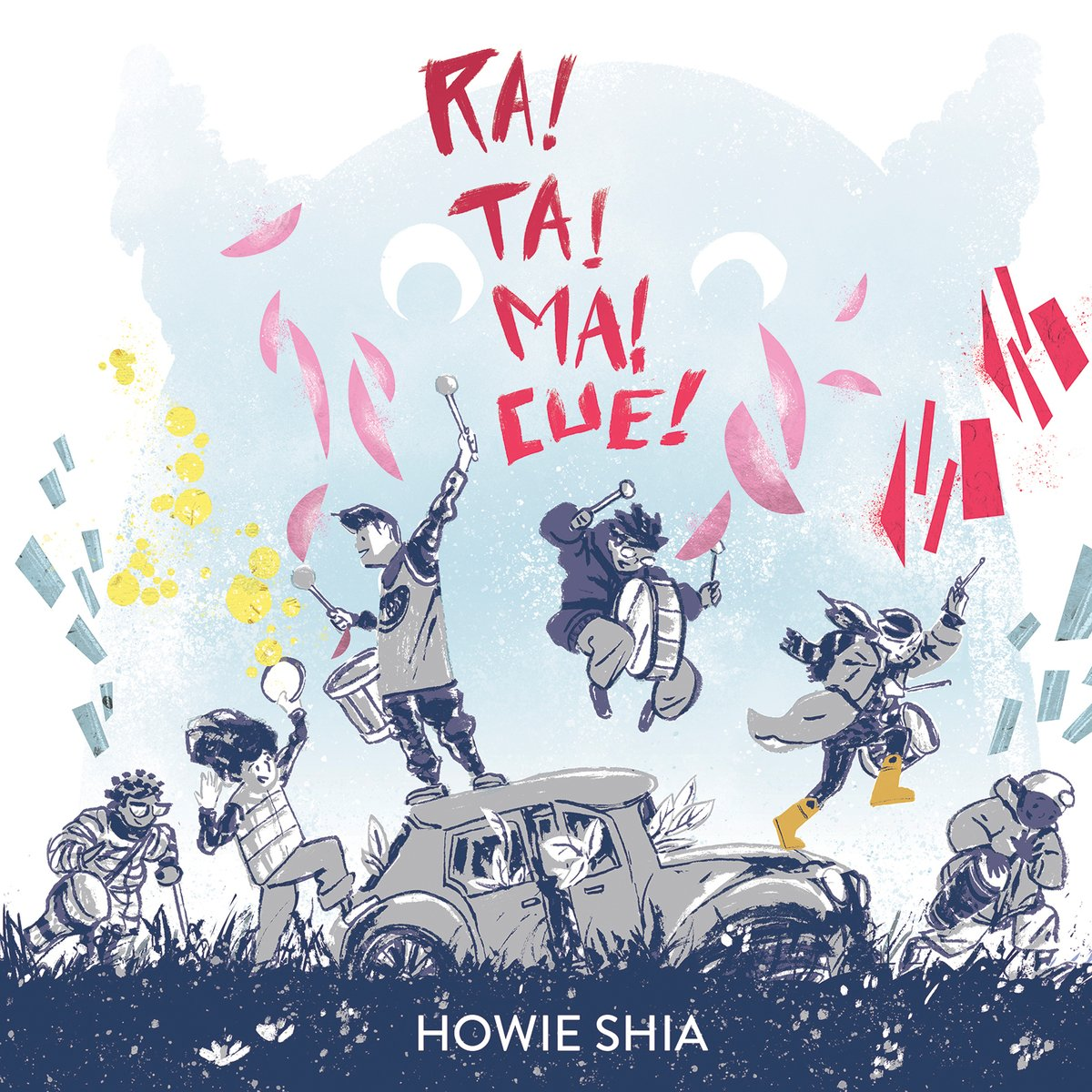
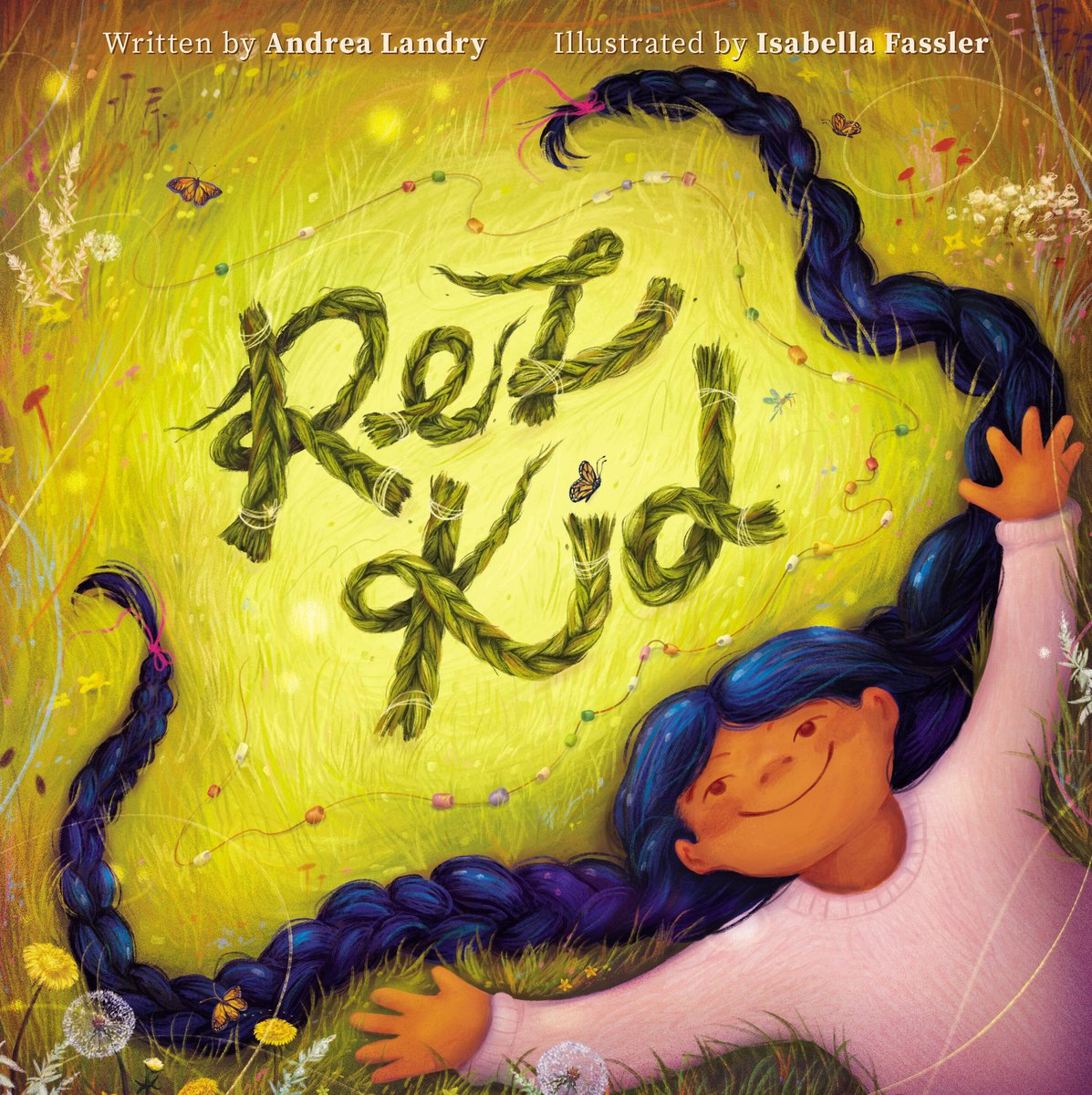
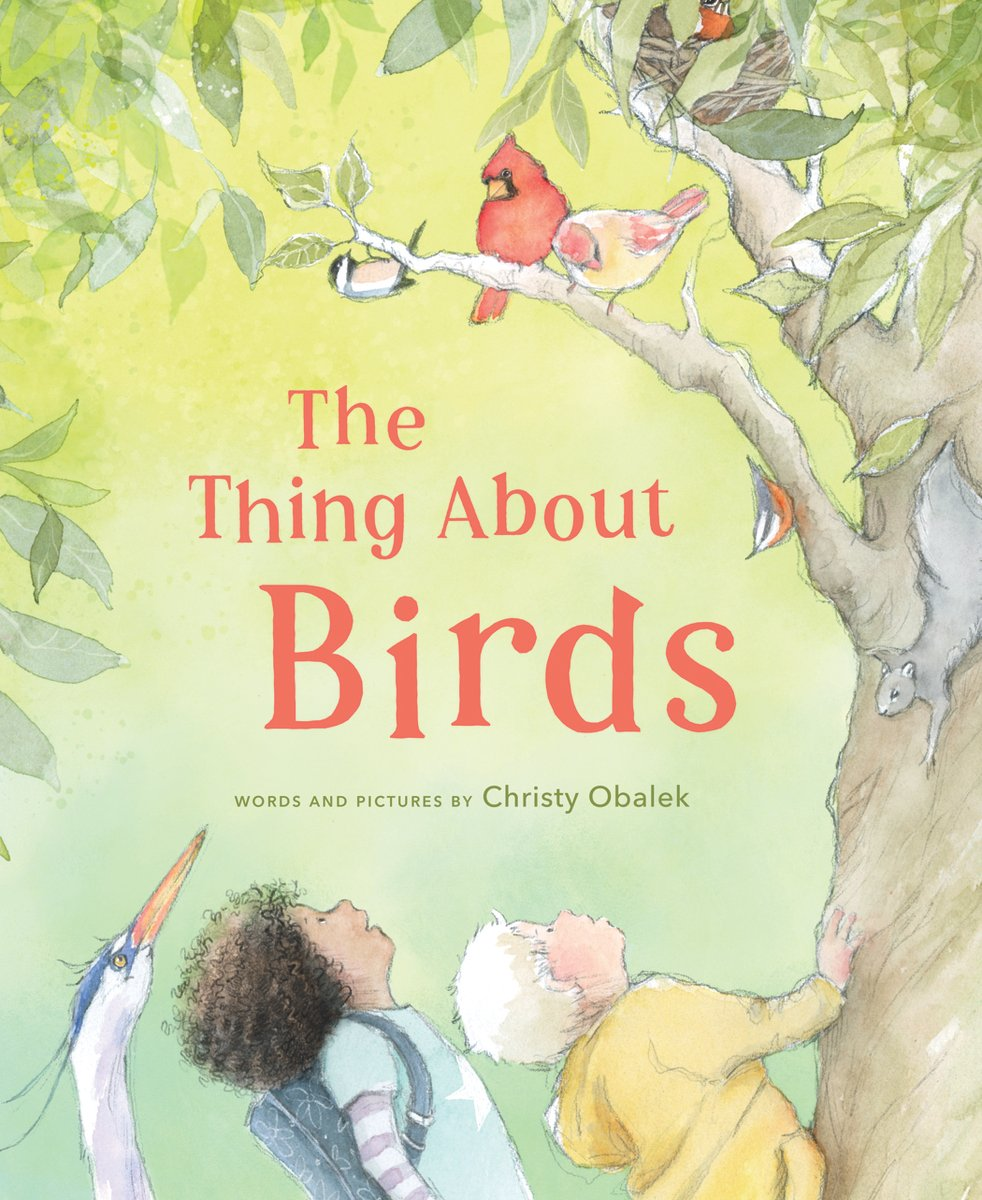
IBBY Canada has announced the ten finalists for the Elizabeth Mrazik-Cleaver Canadian Picture Book Award. The awards are given annually for outstanding artistic talent in a Canadian picture book published in English or French during the previous year by a Canadian illustrator. Here are the finalists:



 Waking Brain Cells