The Great Stink by Colleen Paeff

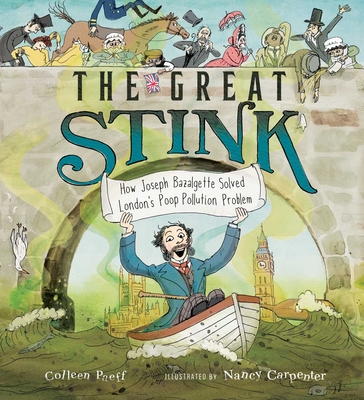
Cover image for The Great Stink.

The Great Stink: How Joseph Bazalgette Solved London’s Poop Pollution Problem by Colleen Paeff, illustrated by Nancy Carpenter (9781534449299)

It was 1858 and the Thames River in London smelled terrible. The problem was that the river was full of poop. The problem had started in 1500, when the sewers were emptied by men who shoveled them out at night. But the population kept on growing. By 1919, there were many more people in London and flush toilets are growing in popularity, but there is no way to get rid of all of the human feces, so some people connected their homes directly to the sewer, sending it all to the river. Cholera epidemics started killing thousands of people, but cholera is blamed on smelly air rather than polluted water, so they kept happening. In 1856, Bazalgette submits a plan to create large sewer pipes to take the sewage away from the river. His plan is finally approved in 1858 after a very hot summer causes the smell to get even worse.

Told with a merry tone, this book embraces the stink of history and shows how one man can change the lives of so many, rescuing them from disease and death. Paeff packs a lot of history into this picture book, making it all readable and fascinating through her use of historical quotes combined with a focused pared down version of what happened. Her writing is engaging and interesting, offering lots of information without ever overwhelming the story itself.

Carpenter’s art is just as stinky as can be. She captures the sewage entering the Thames, the miasma of stench coming off the river in the heat, and the grossness of dumped chamber pots. Against that unclean setting, a small baby is born and becomes an engineer who creates grand tunnels where the air is clear once again. Add in the macabre face of cholera and you have a book that is hard to look away from.

Fascinating, stinky and delightful. Appropriate for ages 6-9.

Reviewed from e-galley provided by Margaret K. McElderry Books.
18 New September Picture Books to Wake Your Brain Cells

Here are eighteen picture books coming out in September that have garnered starred reviews and praise. September is such a busy publishing month that it was hard to narrow down the titles to include. There are so many more to be celebrated!

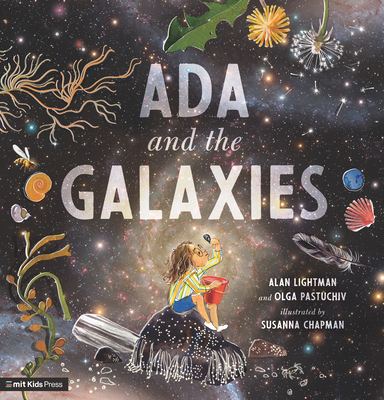
Cover for Ada and the Galaxies

Ada and the Galaxies by Alan Lightman and Olga Pastuchiv, illustrated by Susanna Chapman

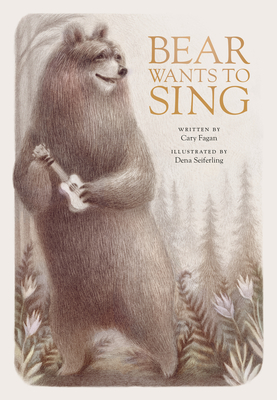
Cover for Bear Wants to Sing

Bear Wants to Sing by Cary Fagan, illustrated by Dena Seiferling

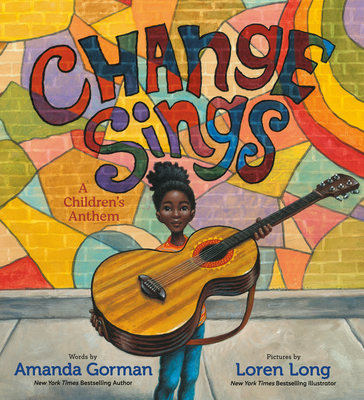
Cover for Change Sings

Change Sings by Amanda Gorman, illustrated by Loren Long

Cover for Chez Bob

Chez Bob by Bob Shea

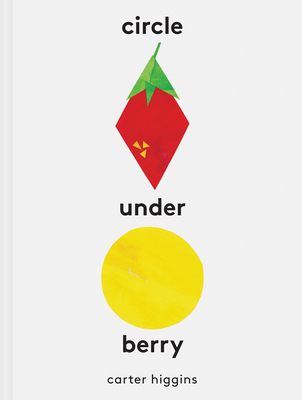
Cover for Circle Under Berry

Circle Under Berry by Carter Higgins

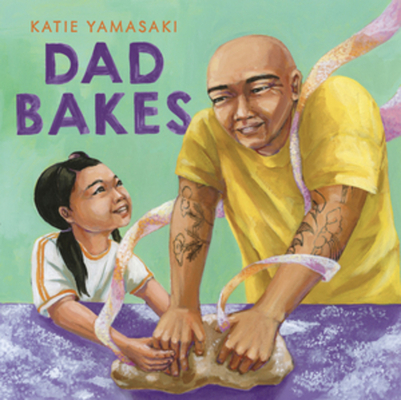
Cover for Dad Bakes

Dad Bakes by Katie Yamasaki

Cover for A House

House by Kevin Henkes

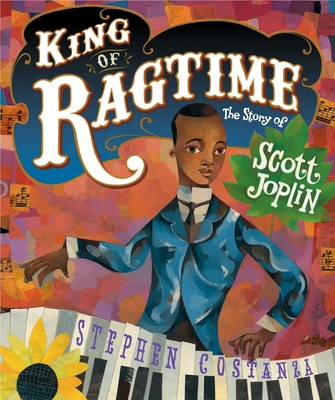
Cover for King of Ragtime

King of Ragtime: The Story of Scott Joplin by Stephen Costanza

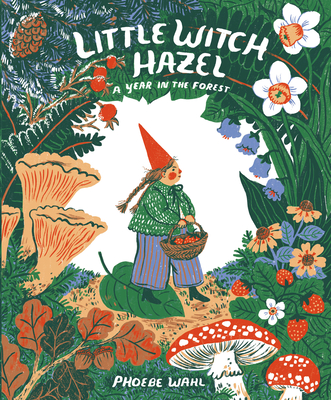
Cover for Little Witch Hazel

Little Witch Hazel by Phoebe Wahl

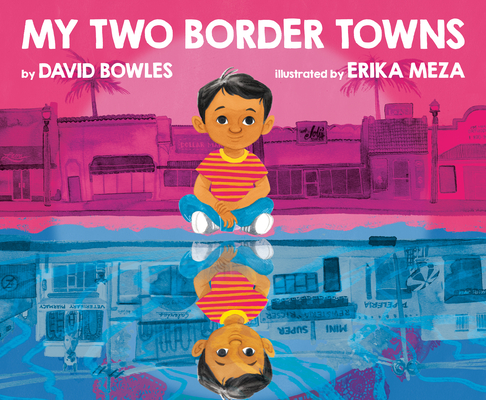
Cover for My Two Border Towns

My Two Border Towns by David Bowles, illustrated by Erika Meza

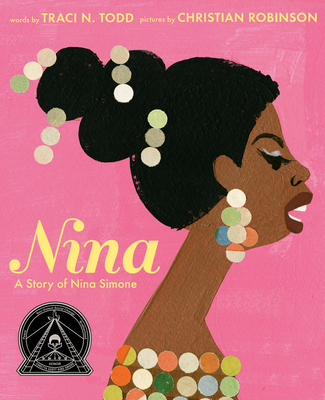
Cover for Nina

Nina: A Story of Nina Simone by Traci Todd, illustrated by Christian Robinson

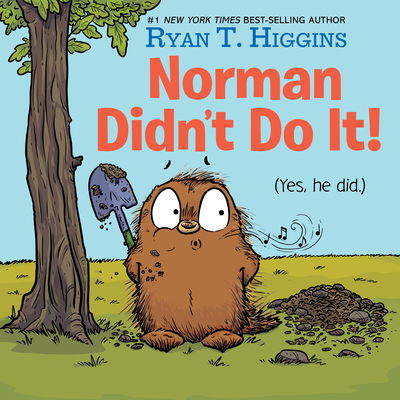
Cover for Norman Didn't Do It!

Norman Didn’t Do It! Yes, He Did by Ryan Higgins

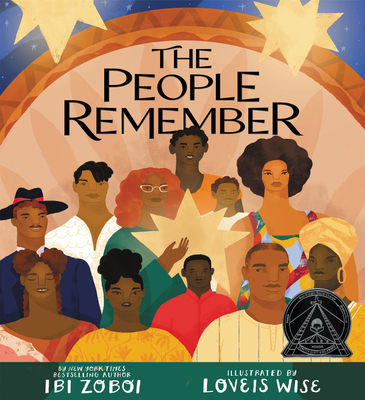
Cover for The People Remember

The People Remember by Ibi Zoboi, illustrated by Loveis Wise

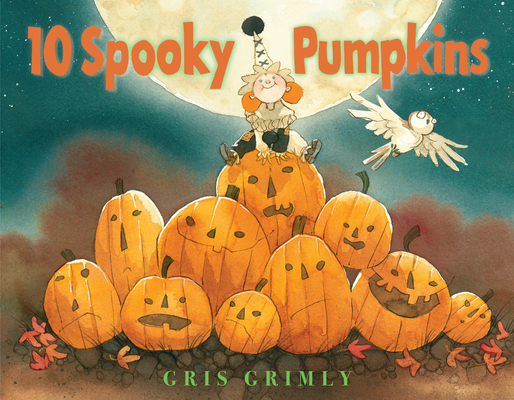
Cover for Ten Spooky Pumpkins

Ten Spooky Pumpkins by Gris Grimly

Cover for Time for Bed, Old House

Time for Bed, Old House by Janet Costa Bates, illustrated by A.G. Ford

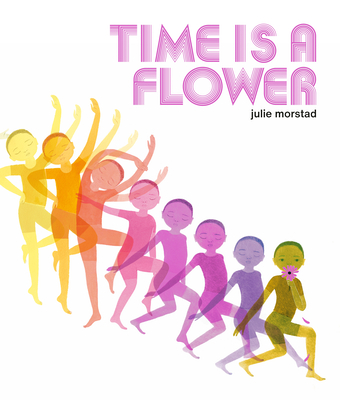
Cover for Time is a Flower

Time Is a Flower by Julie Morstad

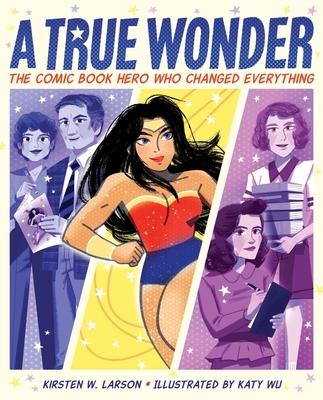
Cover for A True Wonder

True Wonder: The Comic Book Hero Who Changed Everything by Kirsten W. Larson, illustrated by Katy Wu

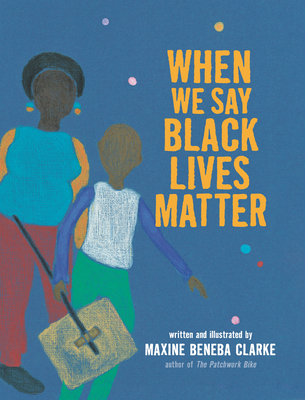
Cover for When We Say Black Lives Matter

When We Say Black Lives Matter by Maxine Beneba Clark

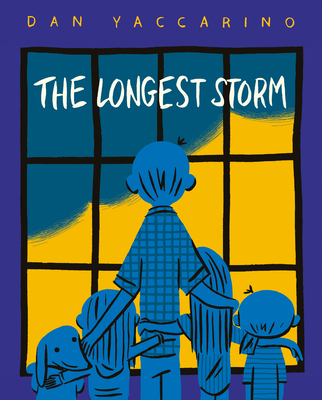
The Longest Storm by Dan Yaccarino

Cover image for The Longest Storm.

The Longest Storm by Dan Yaccarino (9781662650475)

This picture book explores the Covid lockdown in a creative and open way that also allows it to speak to other times of darkness that families experience. Covid is shown as a storm that hits and is unlike any other storm, one that forces you to be inside for an unknown length of time. The family struggles with their new time together in a house, going from feeling strange to people getting angry and staying apart from one another. That’s when the storm rumbled and lightning struck, knocking the power out. One candle lit against the darkness brought the family together. The next morning felt different with pancakes and board games and a new way forward even though they were still caught in the storm. Then one day, the sun came out again. It was possible to go outside and start cleaning up.

As I mentioned, this picture book speaks deeply to a variety of dark times felt by a family. The family goes through a complete grief cycle on the page, allowing the book to be about the loss of a parent just as easily as it is about Covid. It’s a beautiful accomplishment of writing, speaking to the universal rather than the specific and allowing us all to see the grieving process as part of Covid too.

Yaccarino often does light-hearted titles, but this one has a lot of emotions that flow across the page. He uses color and expressions to convey many emotions from the anger of being together to the loneliness of being together but separate to the relief of finding joy in one another once more.

A powerful look at Covid and loss that will speak to all of us. Appropriate for ages 4-7.

Survivor Tree by Marcie Colleen

Cover image for Survivor Tree.

Survivor Tree by Marcie Colleen, illustrated by Aaron Becker (9780316487672)

On a bustling street in New York City, a small tree grew along the tall steel buildings. It was there for almost thirty years, marking the seasons. Then one September day, there were explosions and buildings fell to rubble, crushing and burning the tree. The tree was found in the wreckage with a few green leaves and taken far away to fresh soil. For several seasons, the tree stayed bare, then one day blossoms and buds arrived. For ten years, the tree grew there until it was time to return home. Home to a newly empty sky, where people stopped and wept, and where the tree with its burns and scars offered a way to bridge past to present.

This picture book is based on the true story of the tree that survived the terrorist attacks on September 11th, 2001. Through seasons of bustling city streets to the attack itself to seasons of healing afterwards, the tree shows an inspiring resilience for us all. Using delicate prose, the author writes of the beauty of the tree even when people were not stopping to notice it. The survival of the tree is told with a gentle admiration for its very survival.

Becker beautifully captures the New York City setting of the tree as it changes from before the attack and afterwards. He offers not just a story of the tree itself but an accompanying story in the illustrations about a family growing up alongside the tree and then there loss and memories after the attack. It is this subtle human connection of people to the tree that add much to the book.

A haunting and beautiful look at 9/11 and the tree that survived it and continues to inspire. Appropriate for ages 5-8.

Reviewed from e-galley provided by Little, Brown and Company.

Be Strong by Pat Zietlow Miller

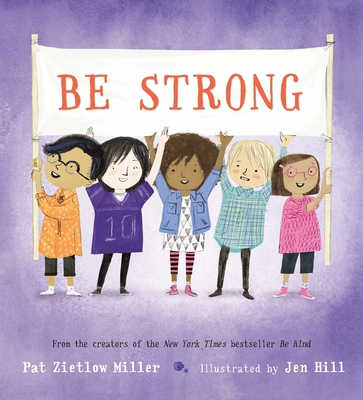
Cover image for Be Strong.

Be Strong by Pat Zietlow Miller, illustrated by Jen Hill (9781250221117)

Being strong doesn’t just mean that you can make it to the top of the climbing wall in gym like Cayla. The young narrator has been told by her family that being strong will get you through life when hard times hit. But some days she can’t even lift her heavy backpack. So she asks her father how she can be strong. He tells her that strength is showing up like when they help people who have lost their homes. Her mother says strength is speaking up, like when her mother worked to get a crossing guard at a busy street. Her grandmother says it means not giving up, like her starting to run. So the girl figures out what the means for her, how she can help those around her, how she can speak up and change the way things work, and how if she keeps on trying she can reach her goals both on her own and with some help.

Miller cleverly plays against the stereotypical definition of strength early in this picture book. She shows that yes, physical strength is definitely strength and then proceeds through the rest of the book to show the other aspects of strength, including resilience, determination, speaking up, setting goals, and asking for help. Miller’s text is simple and reads aloud well. She nicely walks young readers through what strength is, allowing them to see it both in themselves and others.

Hill’s illustrations show a diverse cast of characters in an urban setting. The young narrator is Black and her community of classmates and others are a variety of races and religions. The illustrations are bright and friendly, inviting readers into a world where children can make a difference.

A vibrant look at strength and community. Appropriate for ages 3-5.

Reviewed from e-galley provided by Roaring Brook Press.

Bodies Are Cool by Tyler Federer

Cover image for Bodies Are Cool.

Bodies Are Cool by Tyler Federer (9780593112625)

This picture book celebrates bodies in such a positive and inclusive way. The amount of inclusivity is inspiring, offering various races, skin colors, and sizes. The people depicted are also a variety of ages and abilities. Accessibility tools are depicted just as openly and frankly as freckles, body hair and curves. The book shows an urban community full of different people. They move to different settings like dance class, painting a mural, and spending time outside or at the pool. Through those, we see their bodies in various positions, using different assistive aids, and showing LGBT families and people as well.

The text in the book celebrates so much that people sometimes are ashamed of. That includes “soggy tummies” or “scrawny legs” as well as scars, hair, skin, eyes and faces. Every page ends with the line “Bodies are cool!” to remind us all that we are in bodies that may be unique and different but also share qualities with one another and all are equally cool as the others.

The illustrations are key to the success of the book. With the celebratory tone, the illustrations embrace diversity and community. I particularly love the ice cream parlor where all of the people with freckles, moles and patches eat matching ice cream. The entire book is a sweet joy.

Get this one in every public library to celebrate all the bodies in your community. Appropriate for ages 2-5.

Reviewed from library copy.

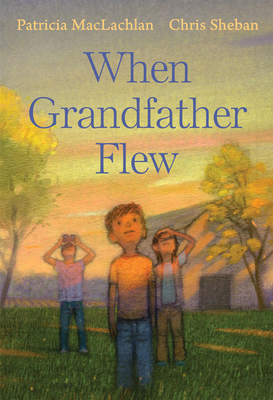
When Grandfather Flew by Patricia MacLachlan

Cover image for When Grandfather Flew.

When Grandfather Flew by Patricia MacLachlan, illustrated by Chris Sheban (9780823444892)

Grandfather loved to birdwatch. Milo was a quiet child and he listened to Grandfather’s information on birds and what his Grandfather loved most about them. Grandfather liked many birds like the hawks and kestrels, but his favorite was the soaring bald eagle. Grandfather loved the sharp sight of the birds and all they could see from high above. One day, Milo and Grandfather rescued a chickadee that hit the window, releasing it into the air when it had recovered. As Grandfather lost his eyesight, he could still enjoy the birds at the trees since Milo and his nurse could help him identify them. When Grandfather died, it was Milo who called everyone outside to see the eagle that soared high and then circled down low near them with a flash of his eyes.

Told in the voice of Milo’s older sister, this picture book is a look at an aging grandparent and his eventual death. The book offers connectivity to Grandfather through his love of birds, sharing that love with one child in particular who was willing to listen and to see for him. Newbery-Medalist MacLachlan has crafted this story with kindness and gentleness, offering a sibling view that loves both Milo and Grandfather, a voice that marvels at the chickadee release and at the eagle coming so low.

Sheban’s illustrations are done in watercolor, pastel and graphite. They have such depth and texture, the colors extraordinarily layered and light-filled. They share the wonder of birds in flight, the beauty of the farm landscape and the quiet connections of the family.

A quiet and profound look at life, love, birds and death. Appropriate for ages 4-7.

Reviewed from copy provided by Holiday House.

Hardly Haunted by Jessie Sima

Cover image for Hardly Haunted.

Hardly Haunted by Jessie Sima (9781534441705)

A house stood on a hill. It was worried because it didn’t have a family to live in it. In fact, the house wondered if it might be haunted! But it didn’t want to be haunted, and hoped that if it behaved perfectly no one would notice that it was spooky. Still, there was nothing to be done about the cobwebs and dust, or the squeaky doors and stairs or the rattles in the pipes. The house tried very hard, staying perfectly still and quiet, holding her breath. But when the wind came, she couldn’t stop the scratch of branches on the roof or the groan of the wind through her windows. It let the house relax again, accepting that she was just spooky. Now all she needed was a family looking for a haunted house that rattled, groaned and squeaked.

This picture book reads aloud really nicely, inviting readers into the struggle of a house that dreams of being entirely different than she is. The writing draws out the noises that the house makes, featuring them so that children listening to the story can help make the sounds too. The house itself is a marvelous character, struggling to be different until she accepts herself as she is with all her creaks and scratches.

The art is just the right amount of spooky for preschoolers, full of purple shadows, long green grass and a black cat to enter the house with. The house herself uses her windows to great effect to smile, worry, and eventually come alight in the night.

A little spooky, full of noise and lots of fun. Appropriate for ages 2-4.

Reviewed from copy provided by Simon and Schuster.

War by Jose Jorge Letria

Cover image for War.

War by Jose Jorge Letria, illustrated by Andre Letria (9781771647267)

This Portuguese picture book offers a deeply surreal but also honest look at the impact of war. Told in a mixture of wordless pages and pages with only a sentence, war is depicted as spiders and snakes that race across the landscape. They take over a bird, who then flies war over the land “like a whispered, swift disease.” The bird then lands at a building where a leader has been waiting, plotting his attack on the land. War is shown as a force that destroys stories, crushes things under heavy boots, pollutes the air, and erases individuality. Planes take to the sky, bombs fall and the rubble of war is created, leaving silence and more spiders waiting for their next move.

This will be a picture book that will have people questioning whether it is for children. While there is no gore and no violence on the page, the results of the violence are shown, including bodies that fill the page with their fallen pattern. Yet we all serve children who have escaped war-torn nations and have survived. For me, that means this is a book for children that may offer them a way to verbalize the impact of war to those of us who have been lucky enough to not experience it.

The book is haunting. From the wall of masks and helmets that the dictator picks from to the spiders and snakes themselves, there is imagery here that makes emotions real and tangible. The burning of books and the ripping down of towns is shown moments before they happen. This is not a depiction of war wrapped in a flag and full of heroism.

Dark, surreal and incredibly real. Appropriate for ages 6-10.

Reviewed from e-galley provided by Greystone Books.