NSTA Outstanding Science Trade Books

The National Science Teaching Association (NSTA) has announced their picks for the best Science Trade Books for Students K-12. Here are the chosen titles:

3 Weeks in the Rainforest: A Rapid Inventory in the Amazon by Jennifer Swanson
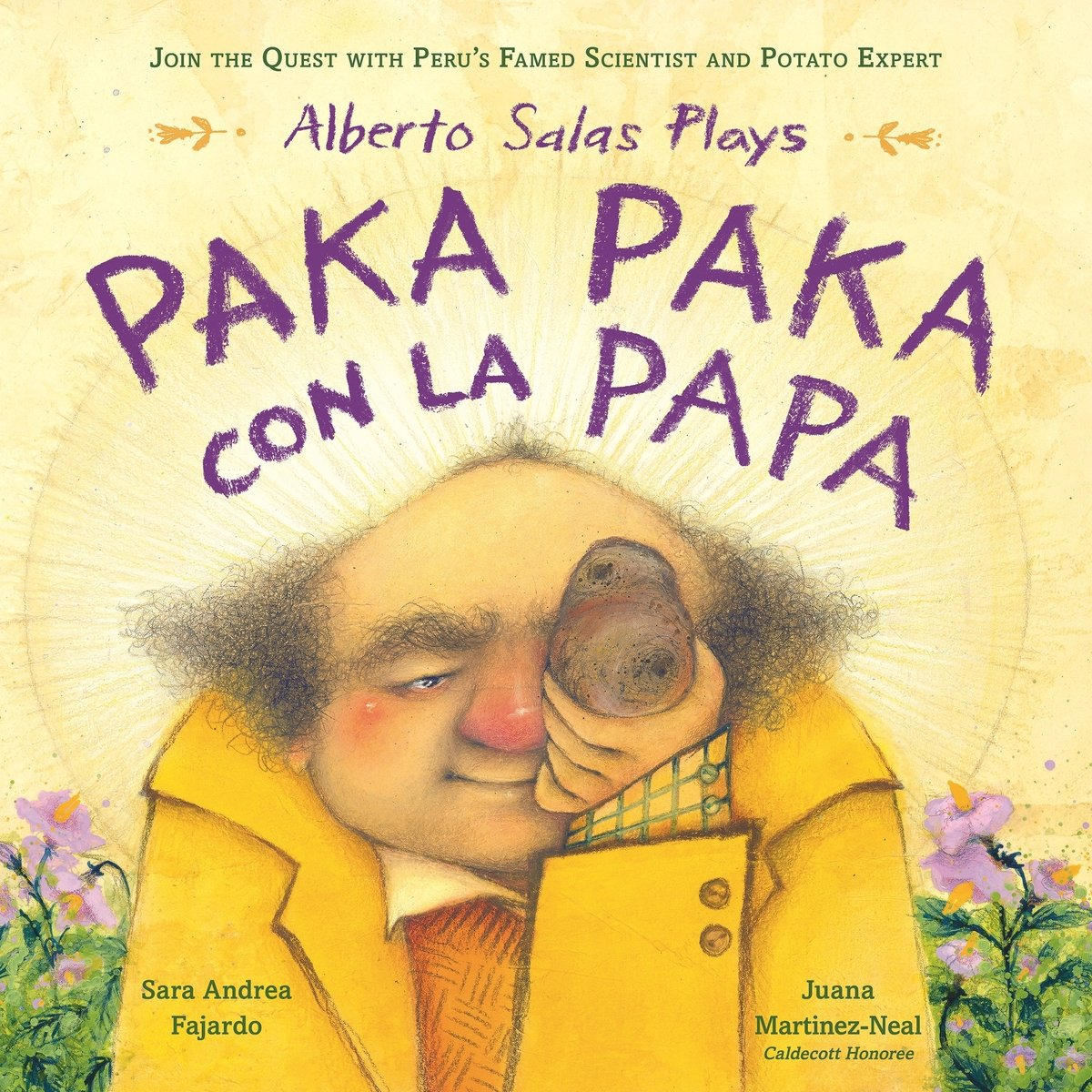
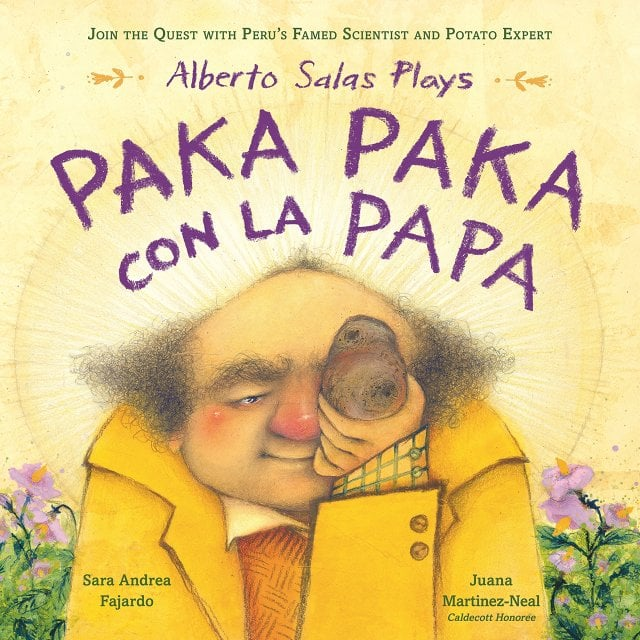
Alberto Salas Plays Paka Paka con la Papa by Sara Andrea Fajardo, illustrated by Juana Martinez-Neal
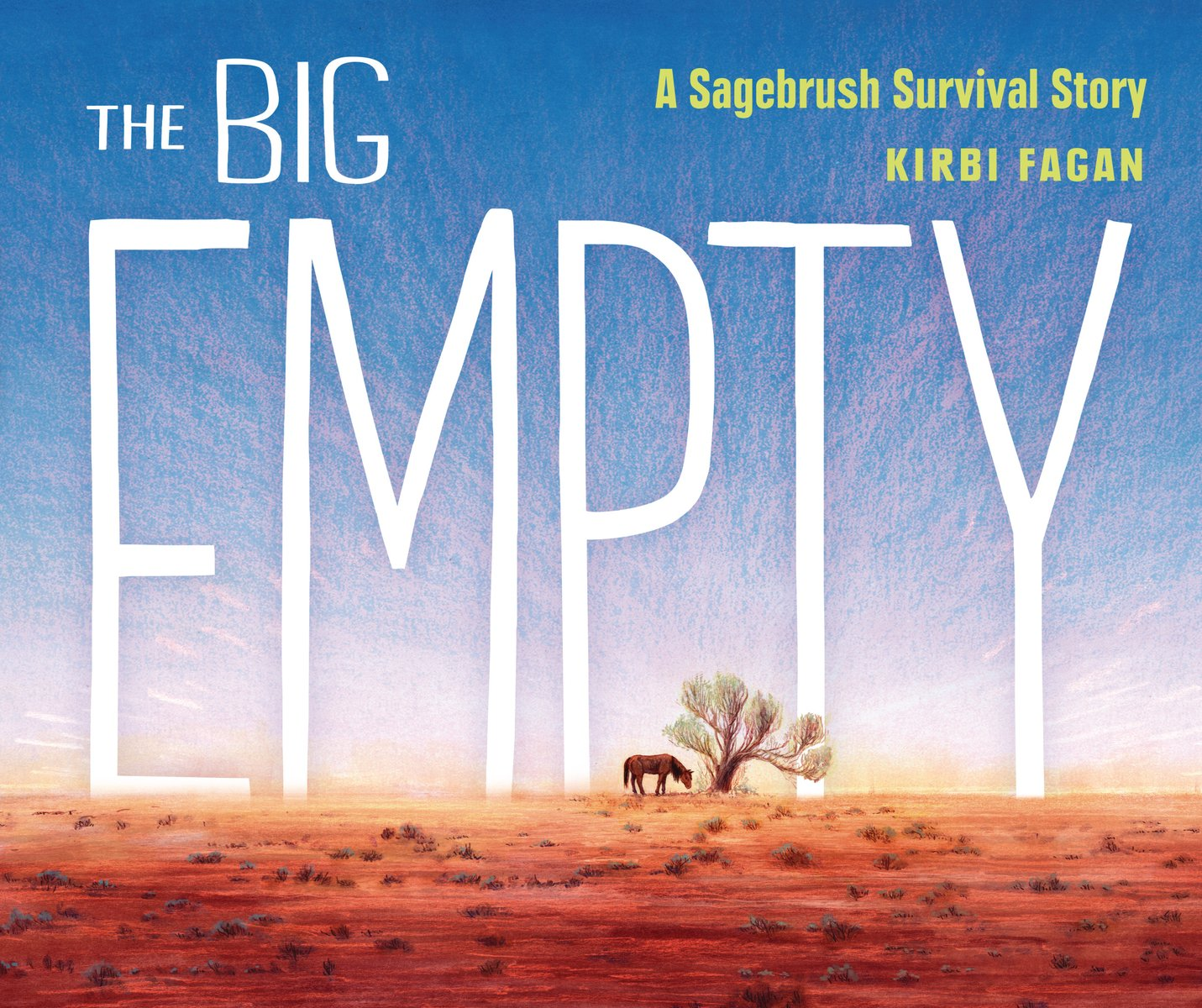
The Big Empty: A Sagebrush Survival Story by Kirbi Fagan

The Black Mambas: The World’s First All-Woman Anti-Poaching Unit by Kelly Crull
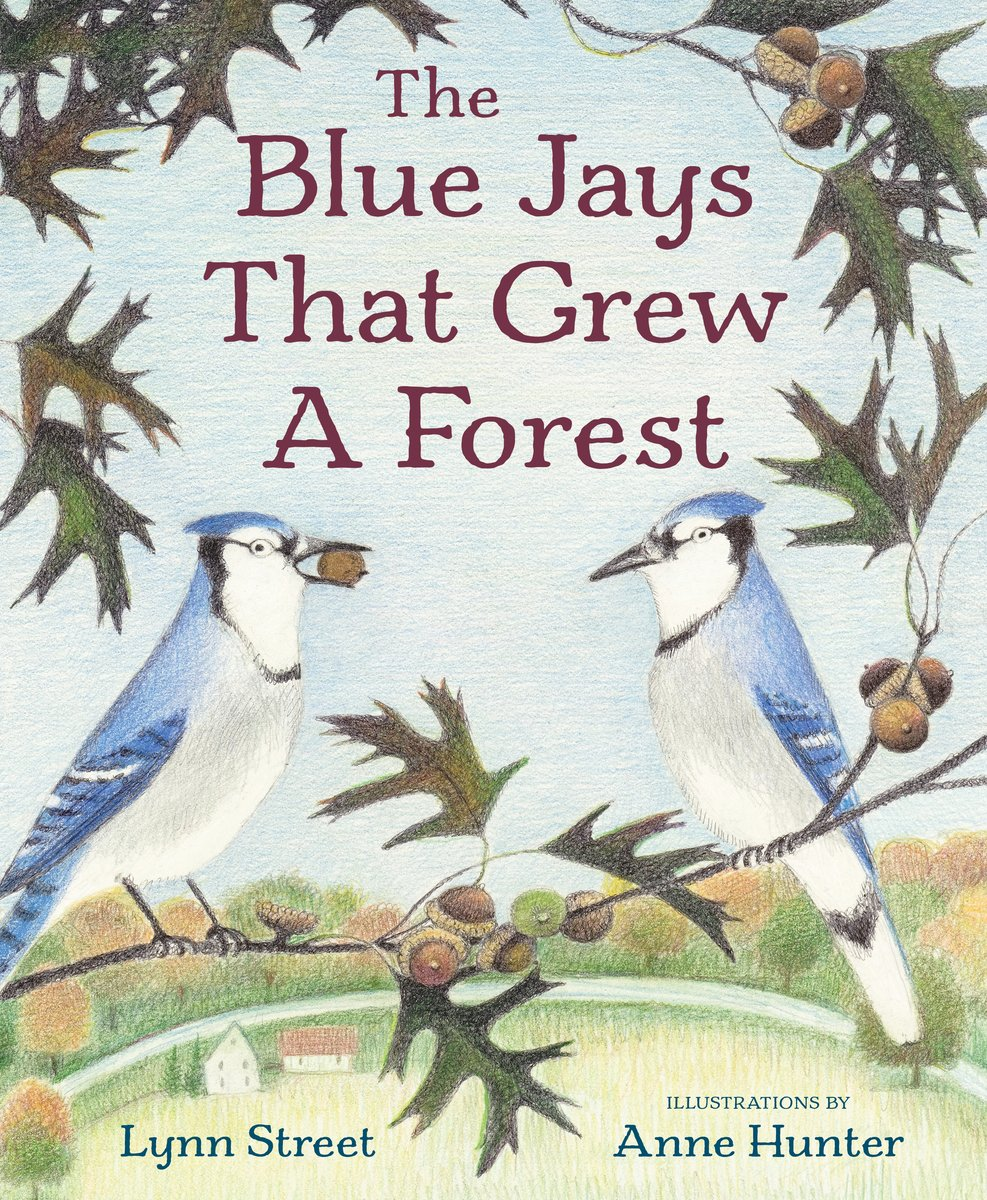
The Blue Jays That Grew a Forest by Lynn Street, illustrated by Anne Hunter

Detective Dogs: How Working Dogs Sniff Out Invasive Species by Alison Pearce Stevens
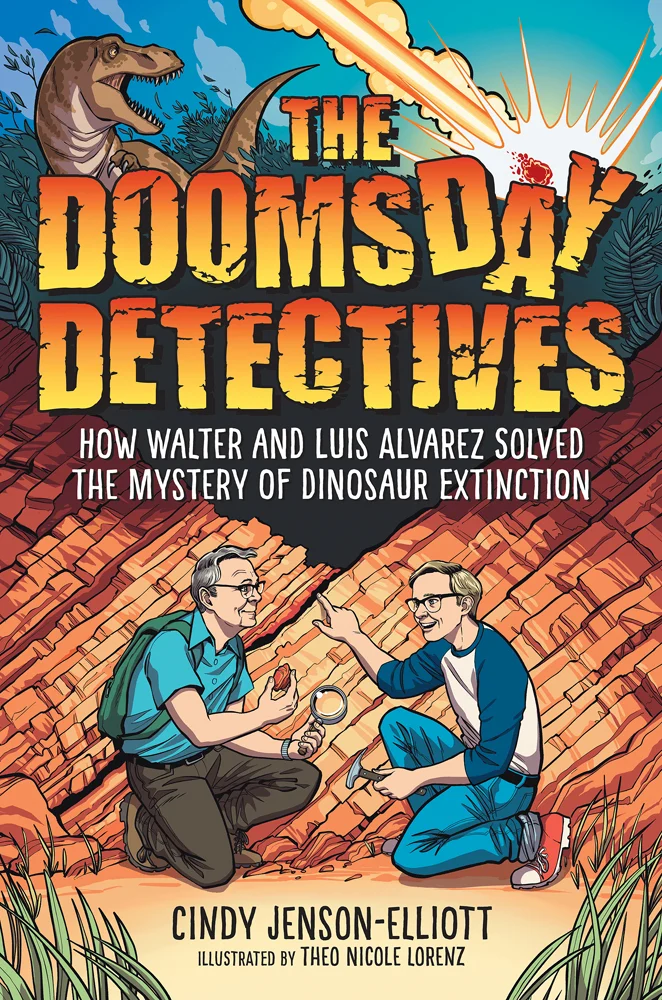
The Doomsday Detectives: How Walter and Luis Alvarez Solved the Mystery of Dinosaur Extinction by Cindy Jenson-Elliott, illustrated by Theo Nicole Lorenz
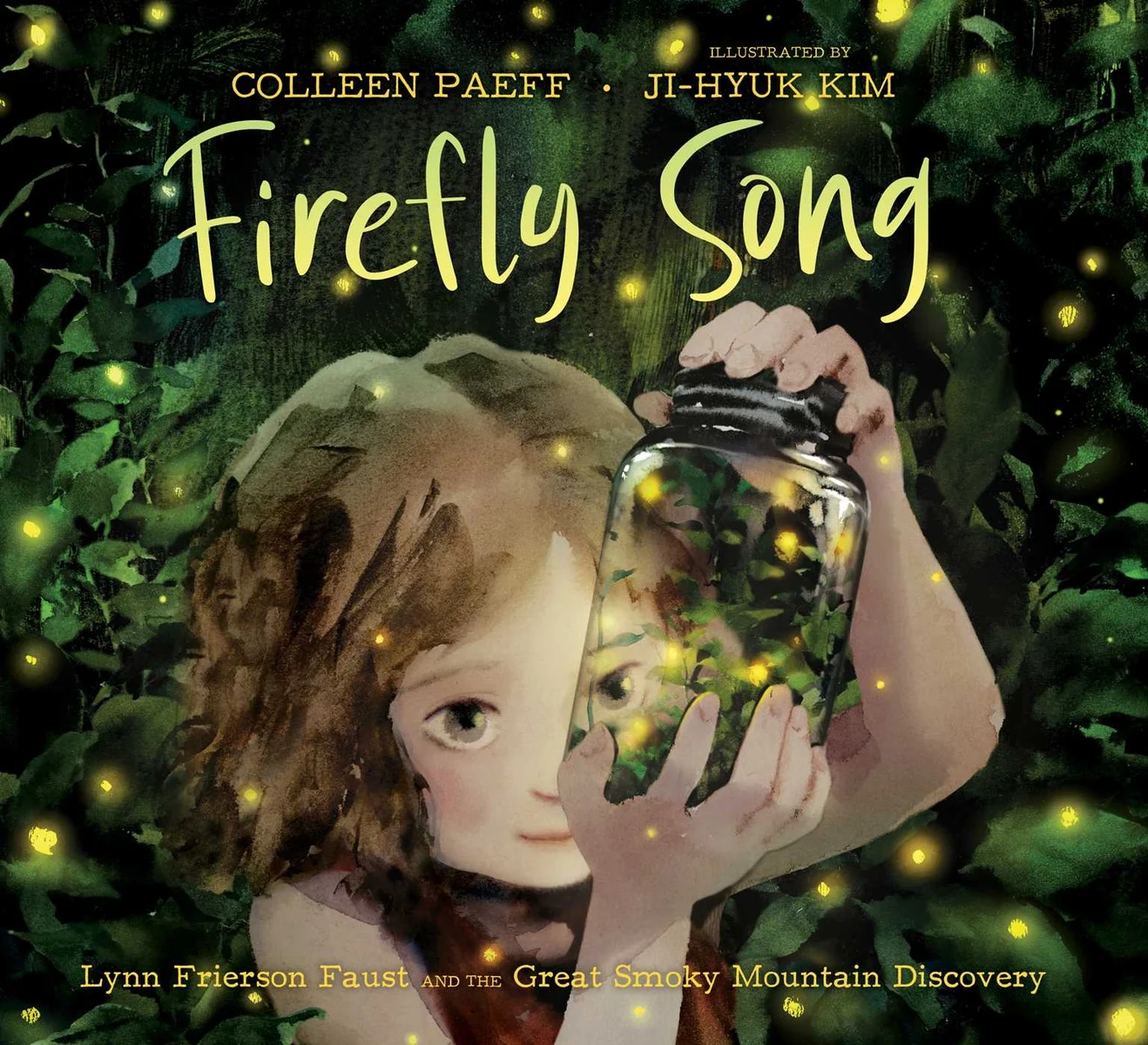
Firefly Song: Lynn Frierson Faust and the Great Smoky Mountain Discovery by Colleen Paeff, illustrated by Ji-Hyuk Kim
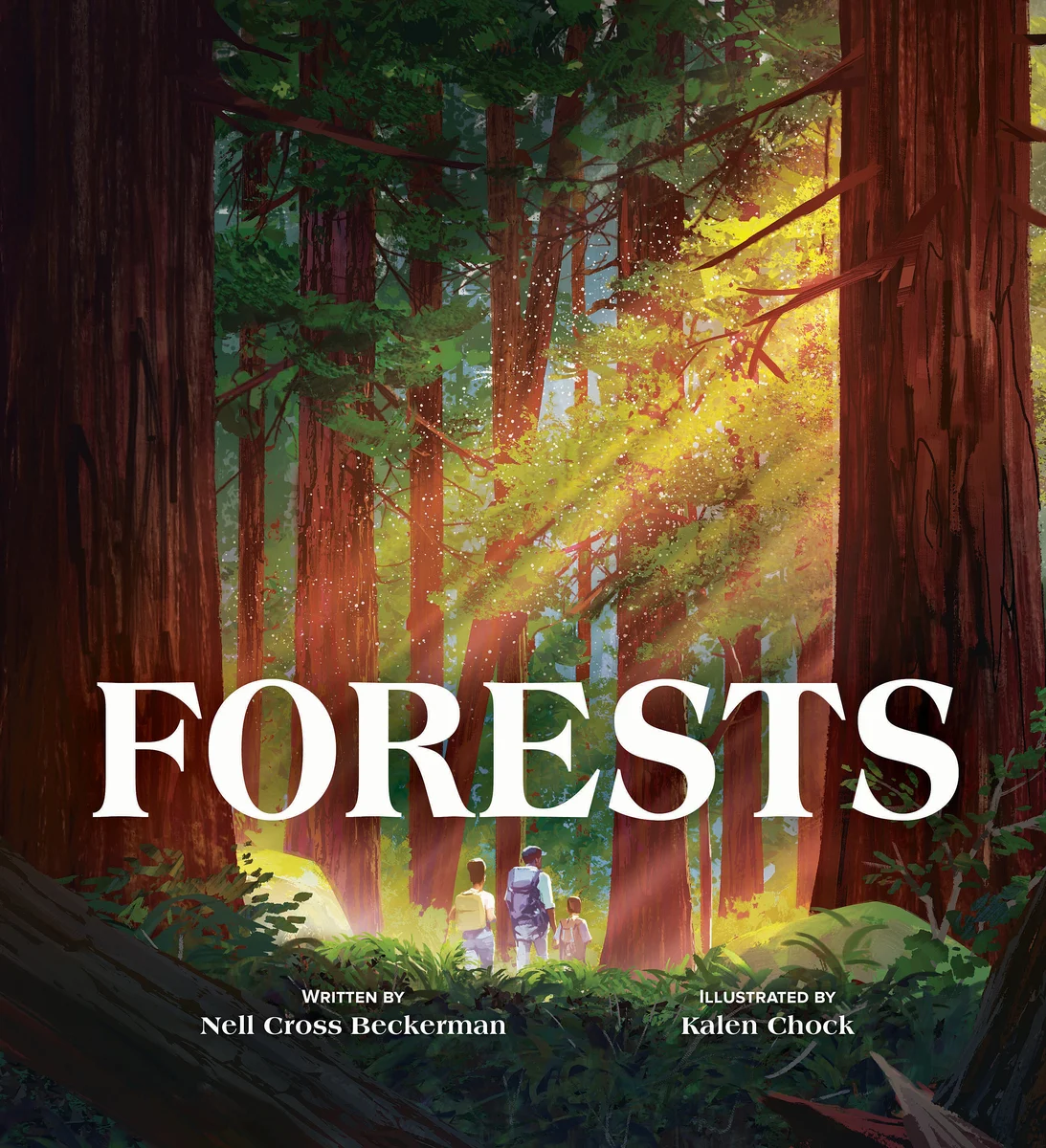
Forests by Nell Cross Beckerman, illustrated by Kalen Chock
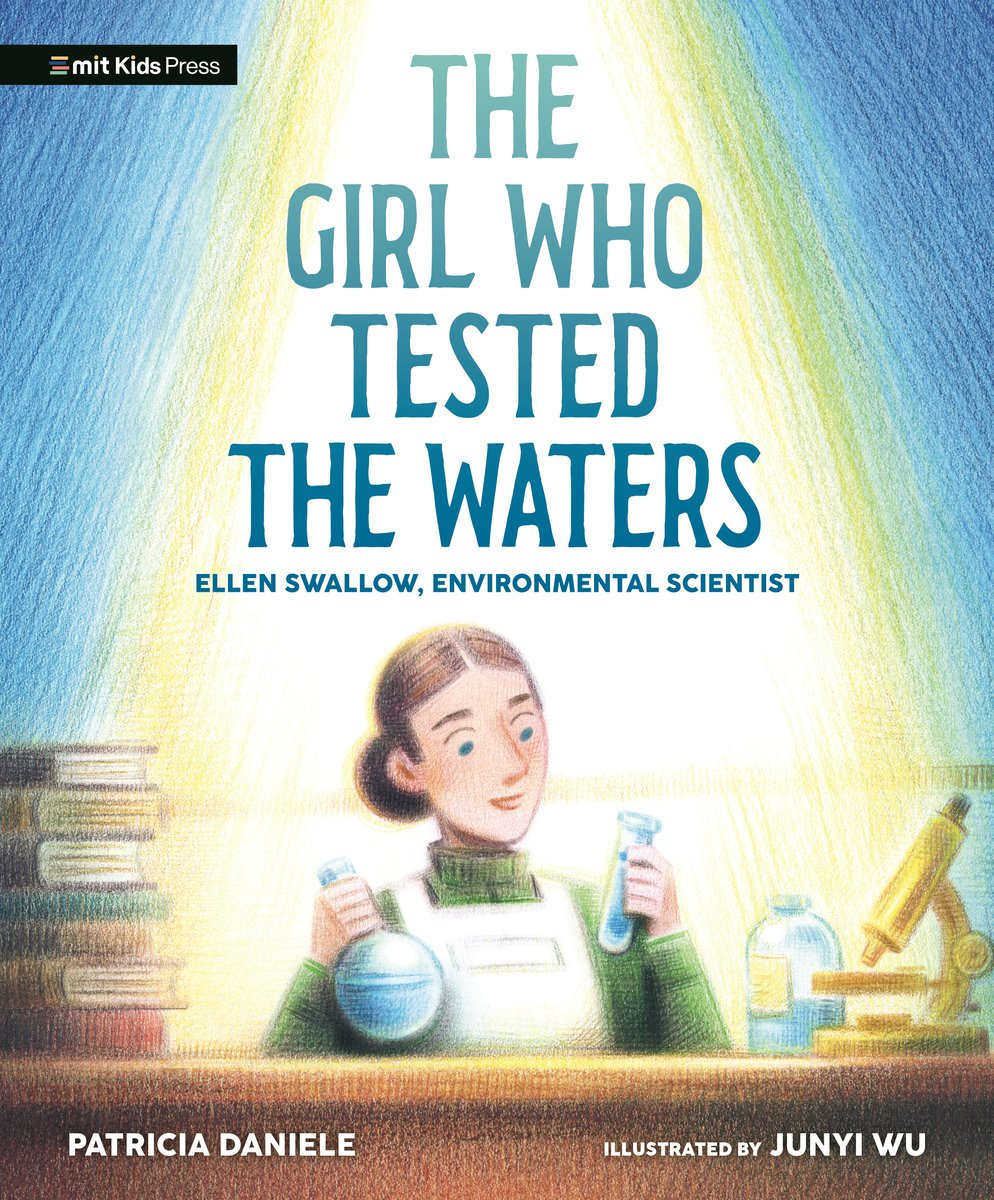
The Girl Who Tested the Waters: Ellen Swallow, Environmental Scientist by Patricia Daniele, illustrated by Junyi Wu
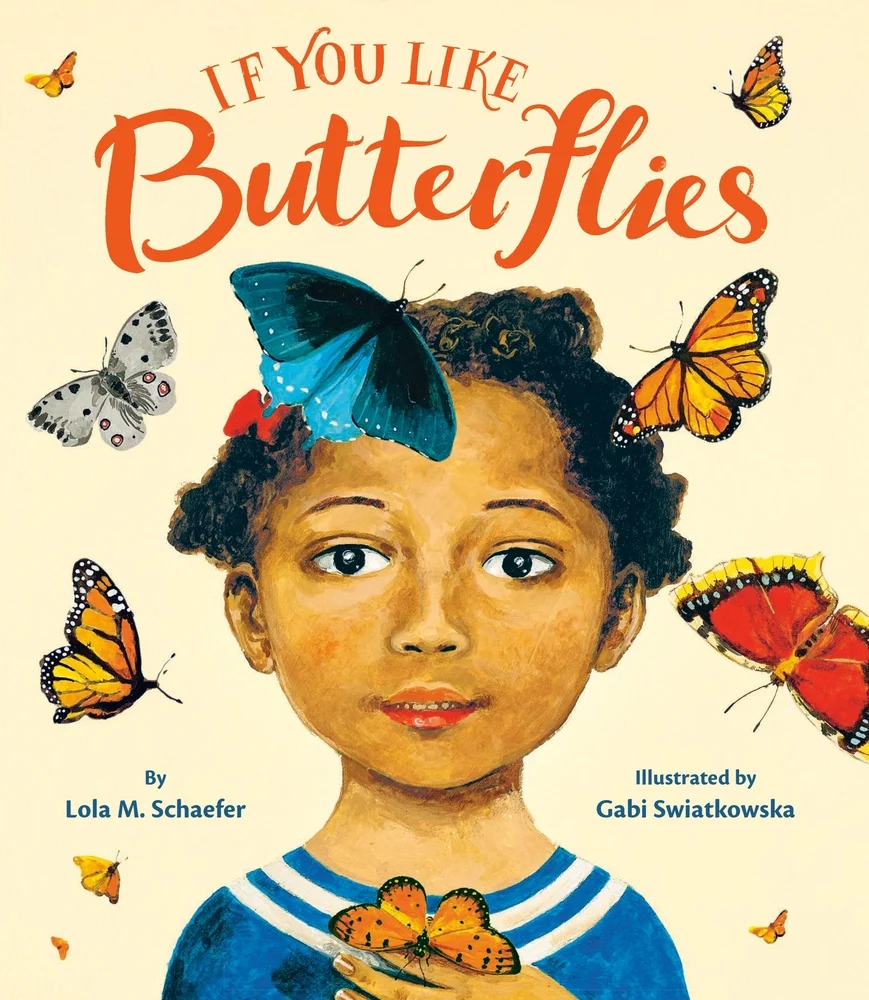
If You Like Butterflies by Lola M. Schaefer, illustrated by Gabi Swiatkowska
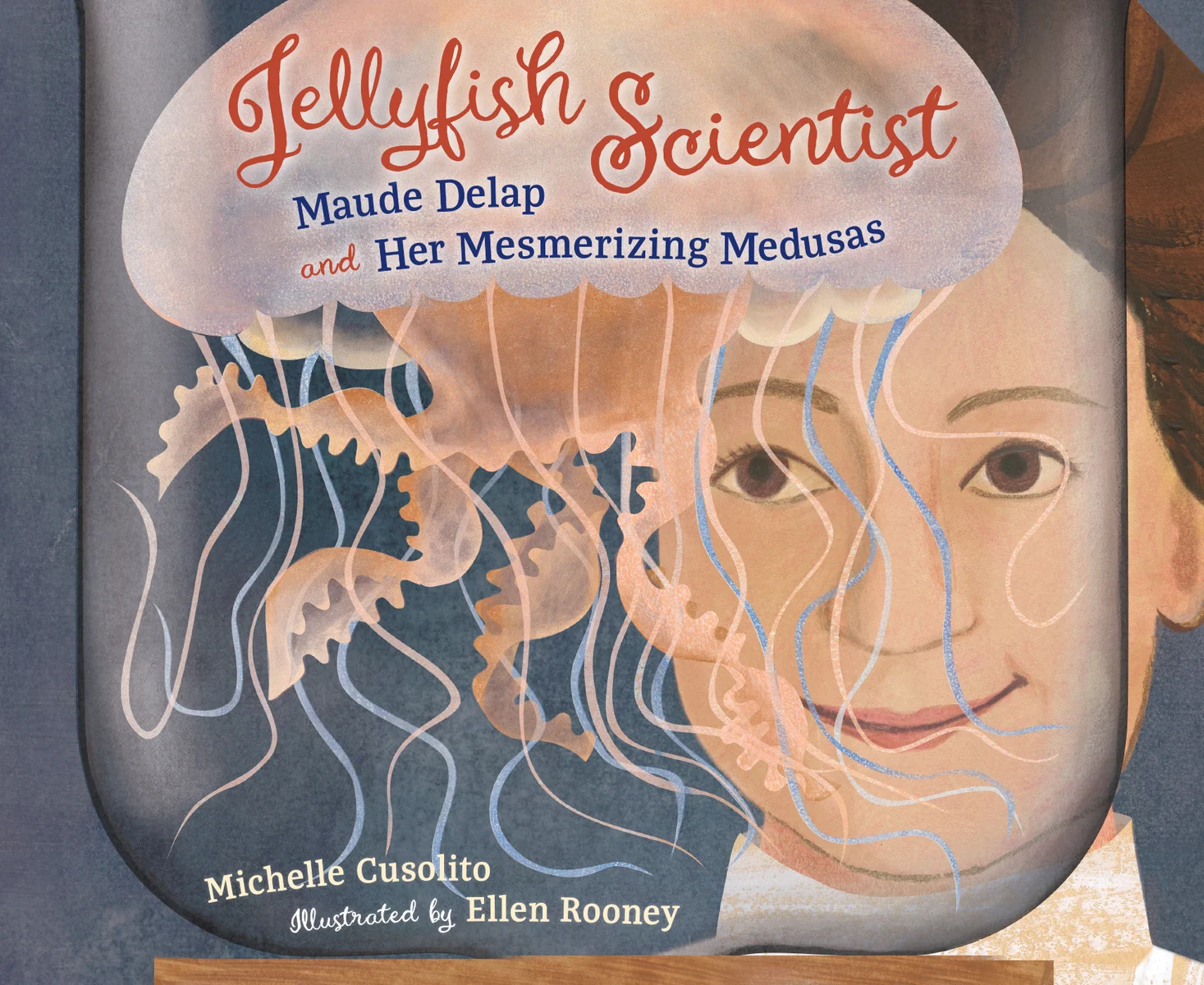
Jellyfish Scientist: Maude Delap and Her Mesmerizing Medusas by Michelle Cusolito, illustrated by Ellen Rooney
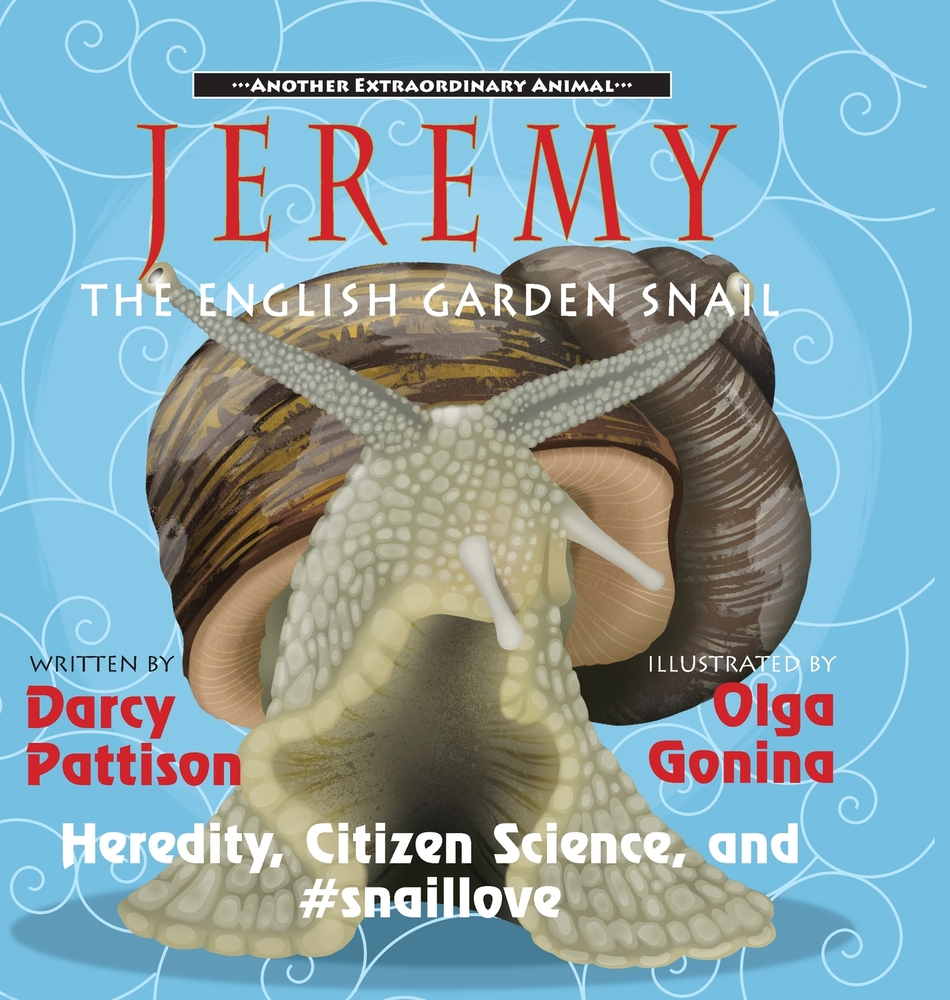
Jeremy, the English Garden Snail: Heredity, Citizen Science, and #snaillove by Darcy Pattison, illustrated by Olga Gonina
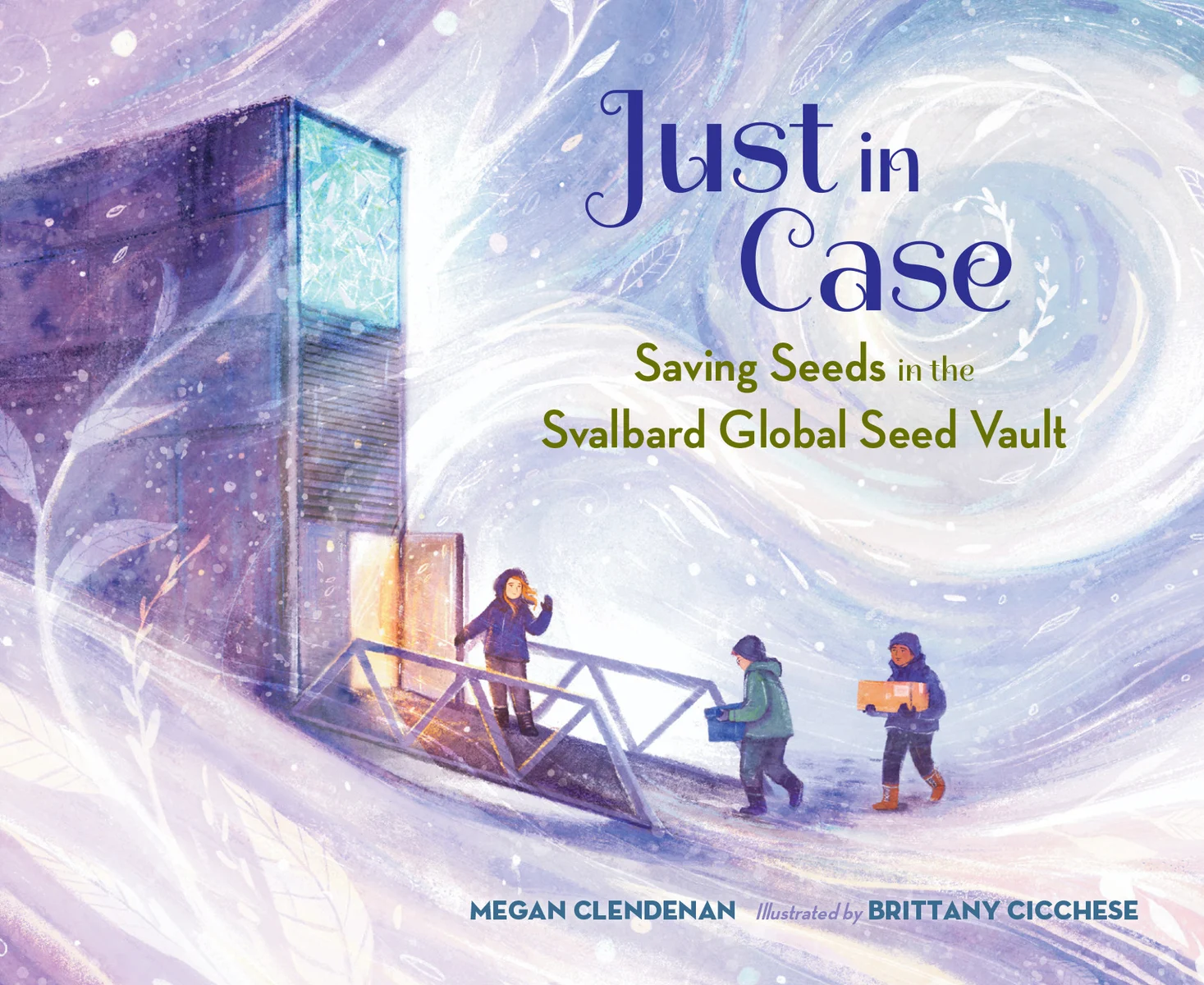
Just in Case: Saving Seeds in the Svalbard Global Seed Vault by Megan Clendenan, illustrated by Brittany Cicchese
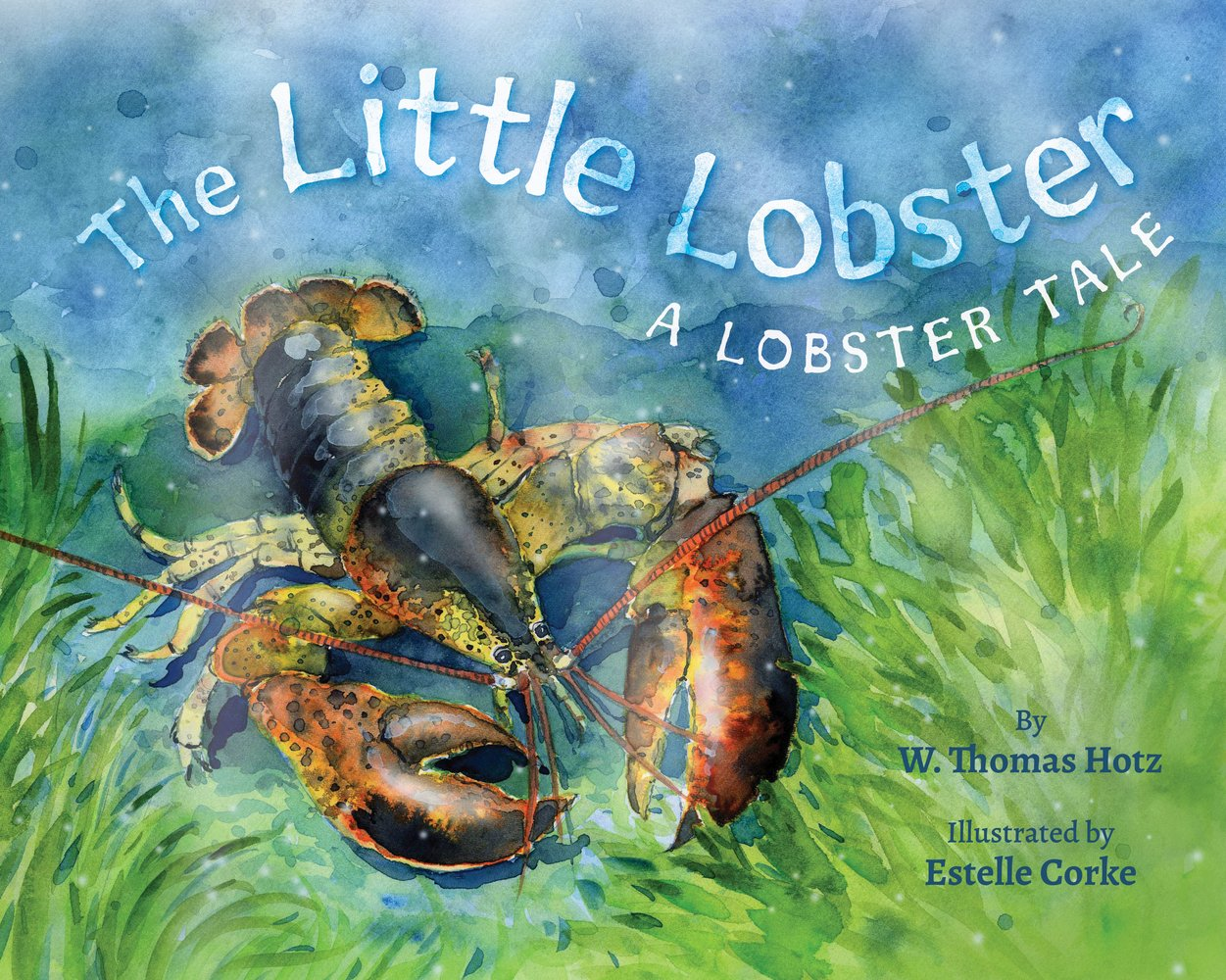
The Little Lobster: A Lobster Tale by W. Thomas Hotz, illustrated by Estelle Corke
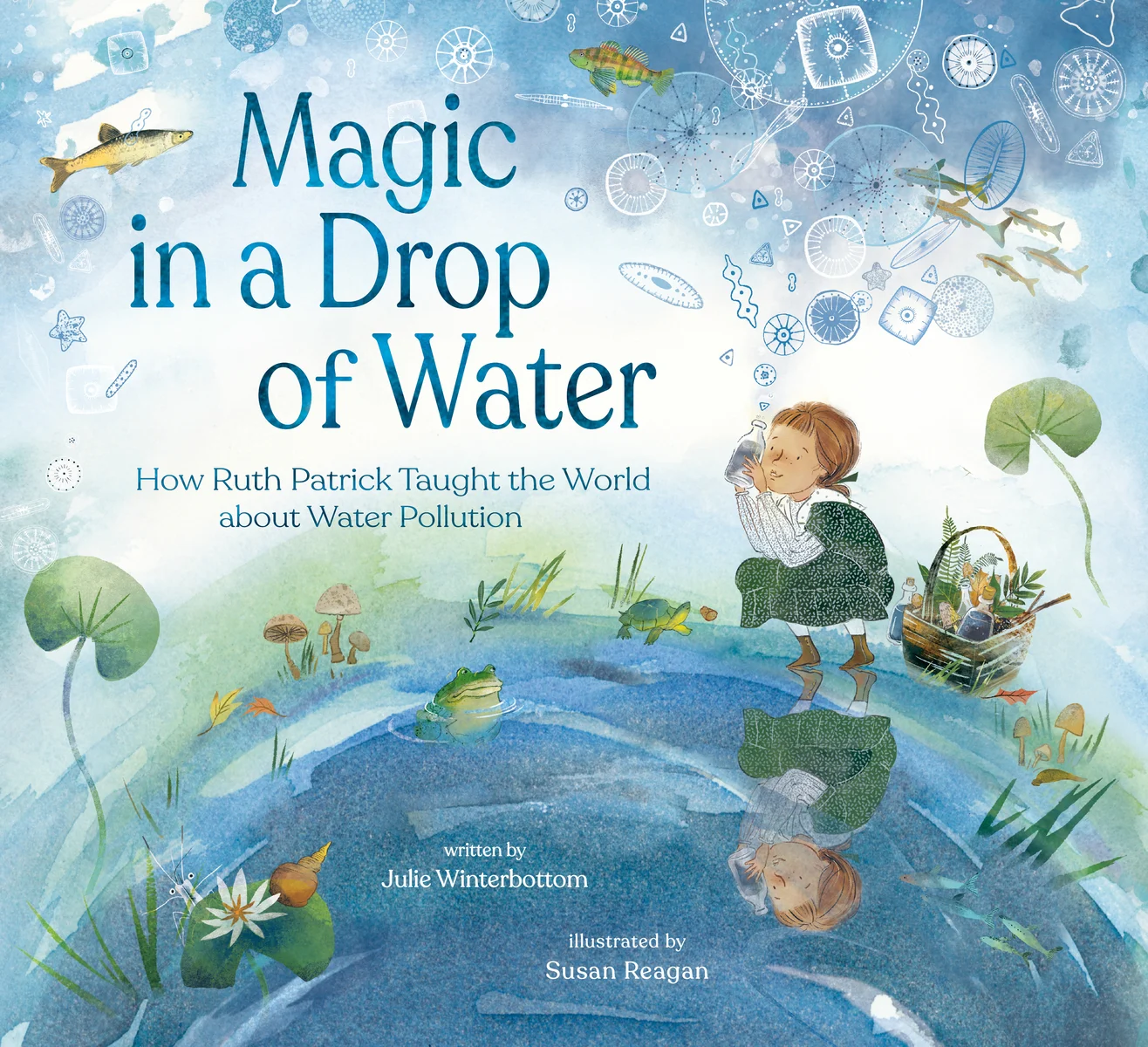
Magic in a Drop of Water: How Ruth Patrick Taught the World about Water Pollution by Julie Winterbottom, illustrated by Susan Reagan
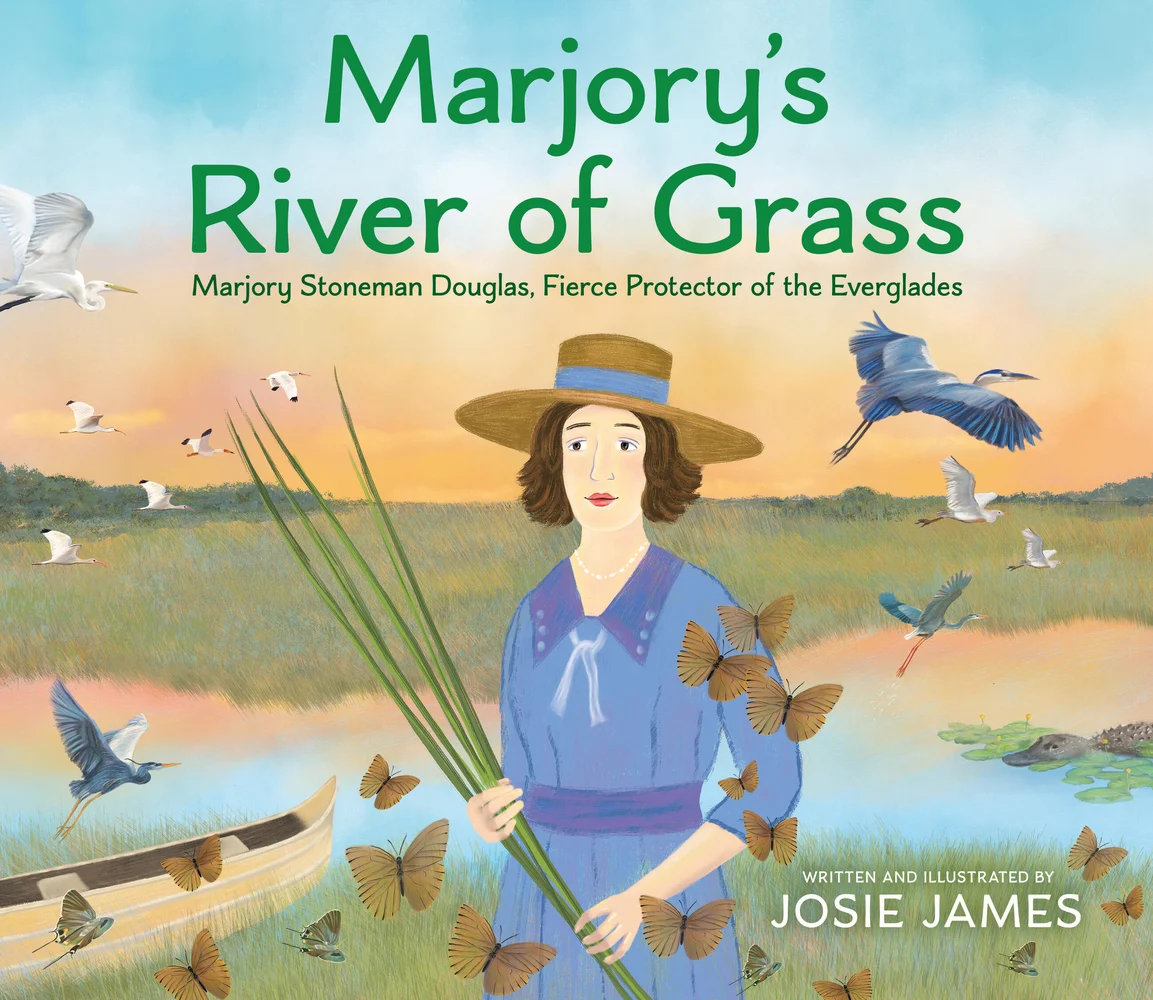
Marjory’s River of Grass: Marjory Stoneman Douglas, Fierce Protector of the Everglades by Josie James
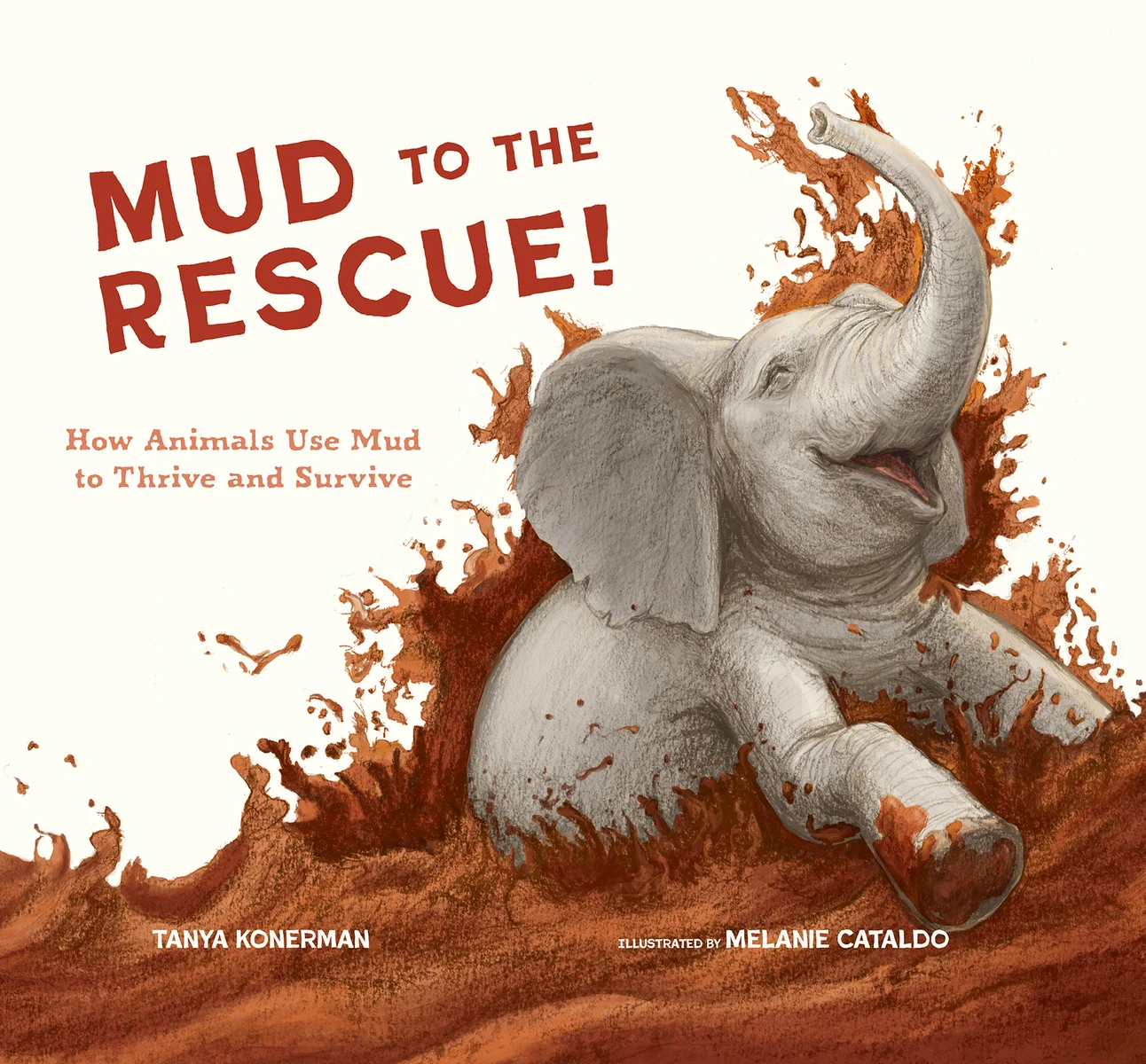
Mud to the Rescue!: How Animals Use Mud to Thrive and Survive by Tanya Konerman and Melanie Cataldo
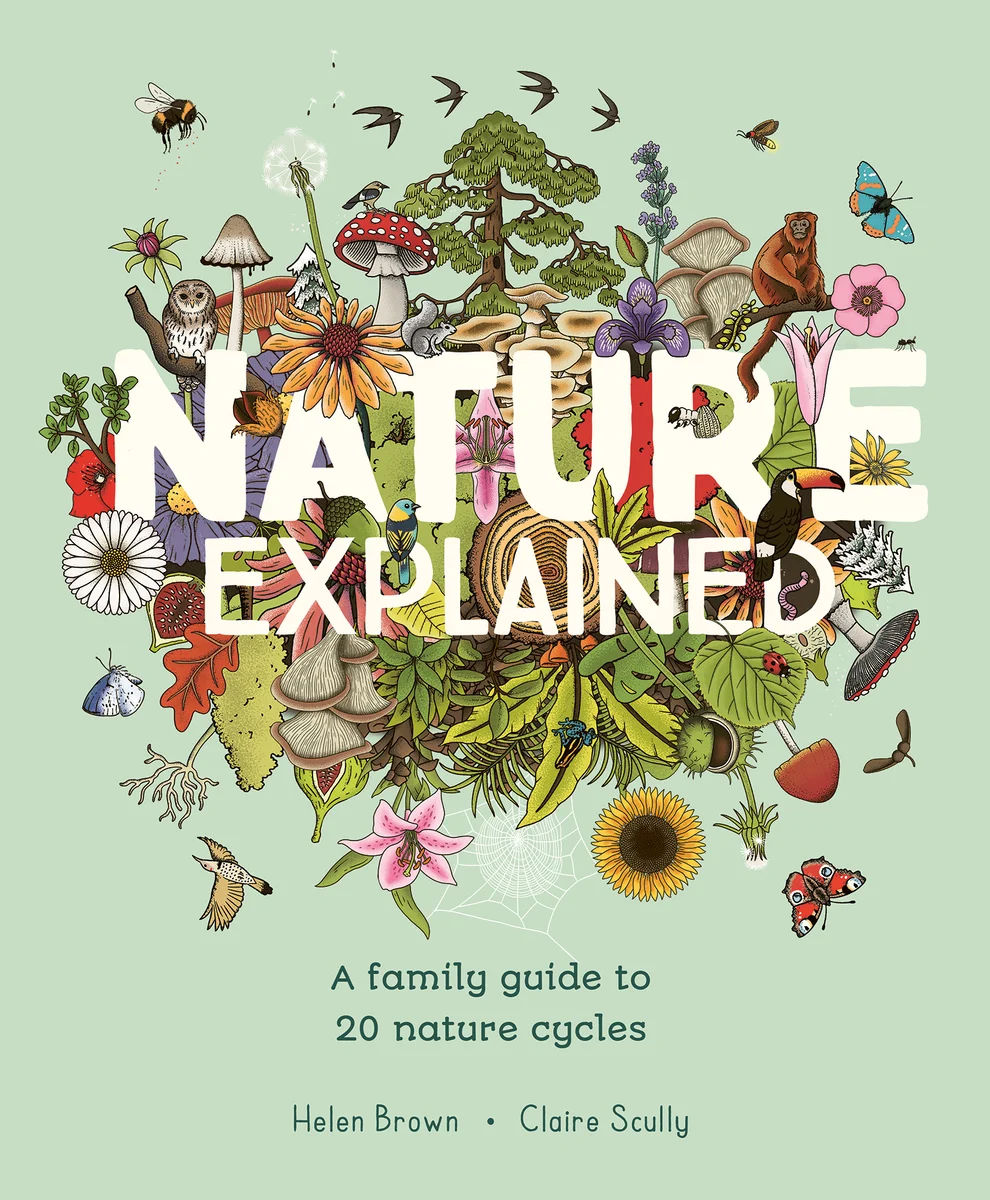
Nature Explained: A Family Guide to 20 Nature Cycles by Helen Brown, illustrated by Claire Scully
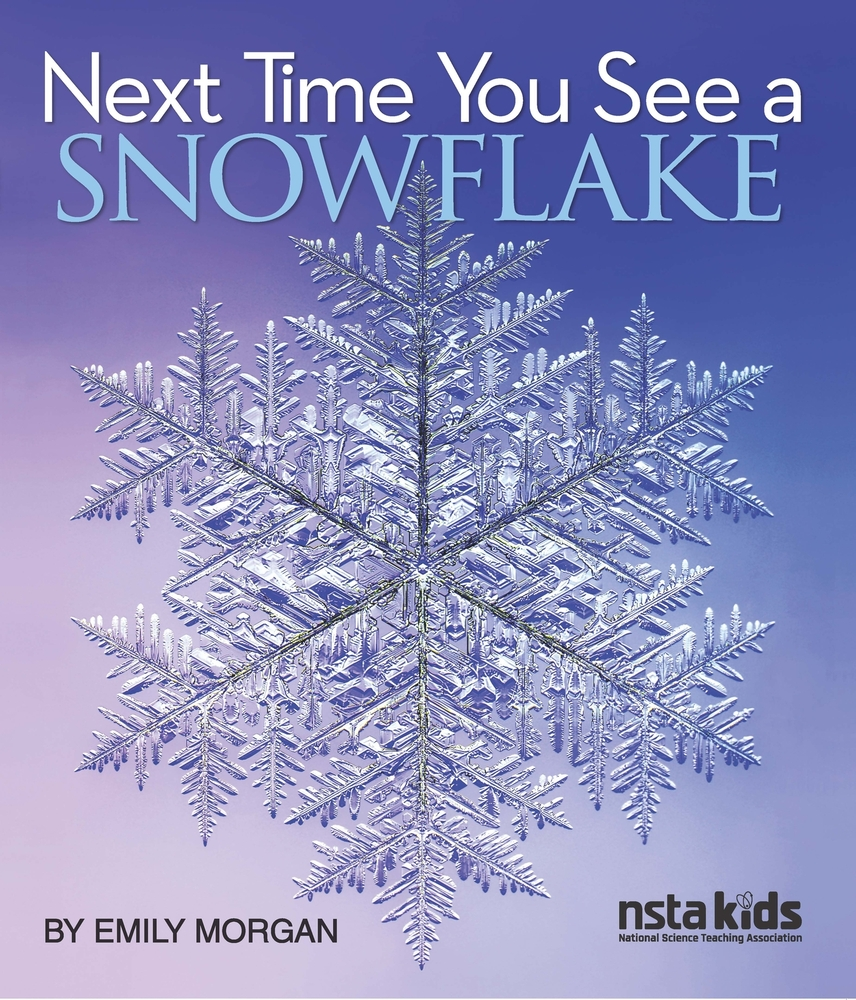
Next Time You See a Snowflake by Emily Morgan

Our Plastic Problem: A Call for Global Solutions by Megan Durnford
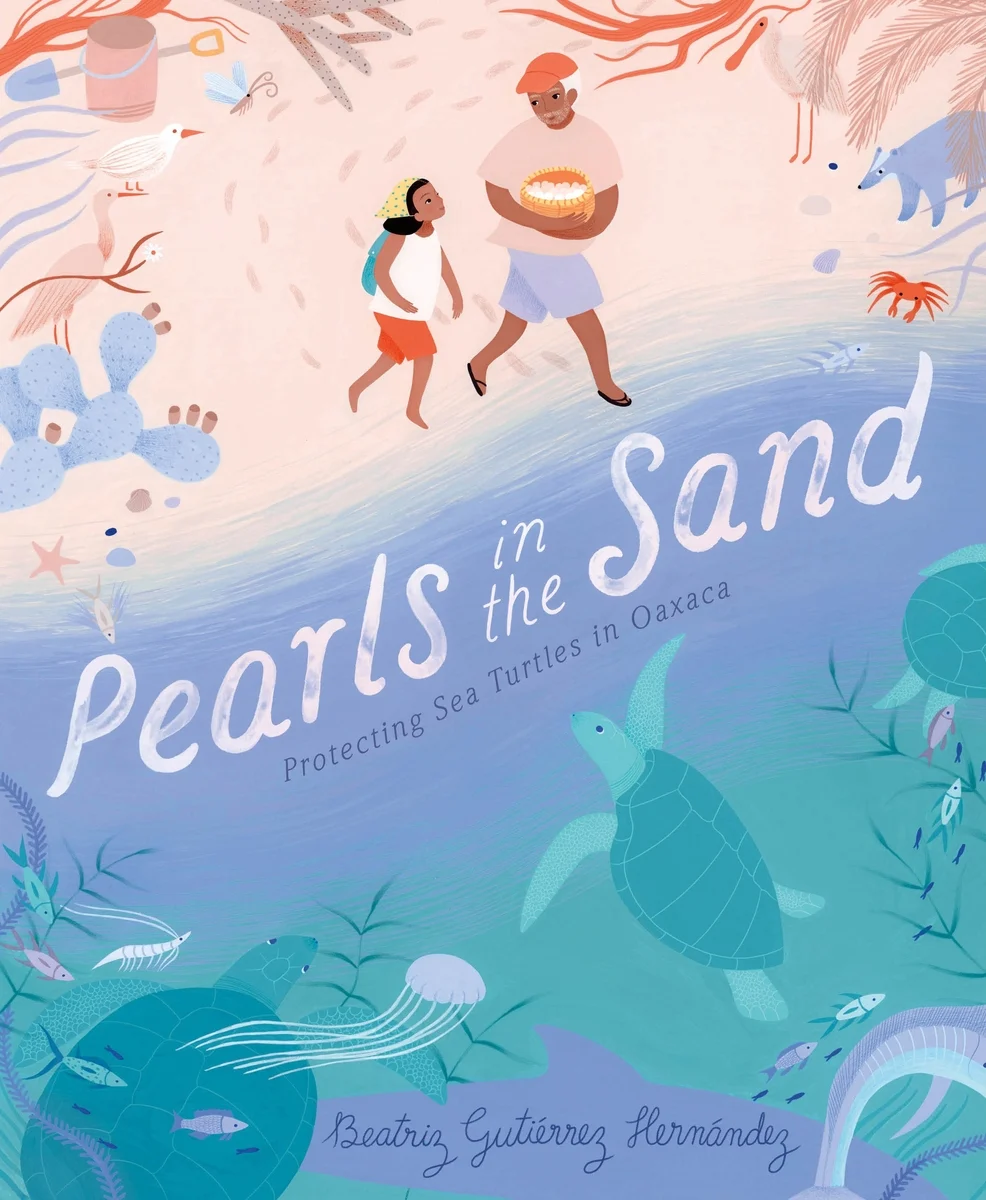
Pearls in the Sand: Protecting Sea Turtles in Oaxaca by Beatriz Gutiérrez Hernández
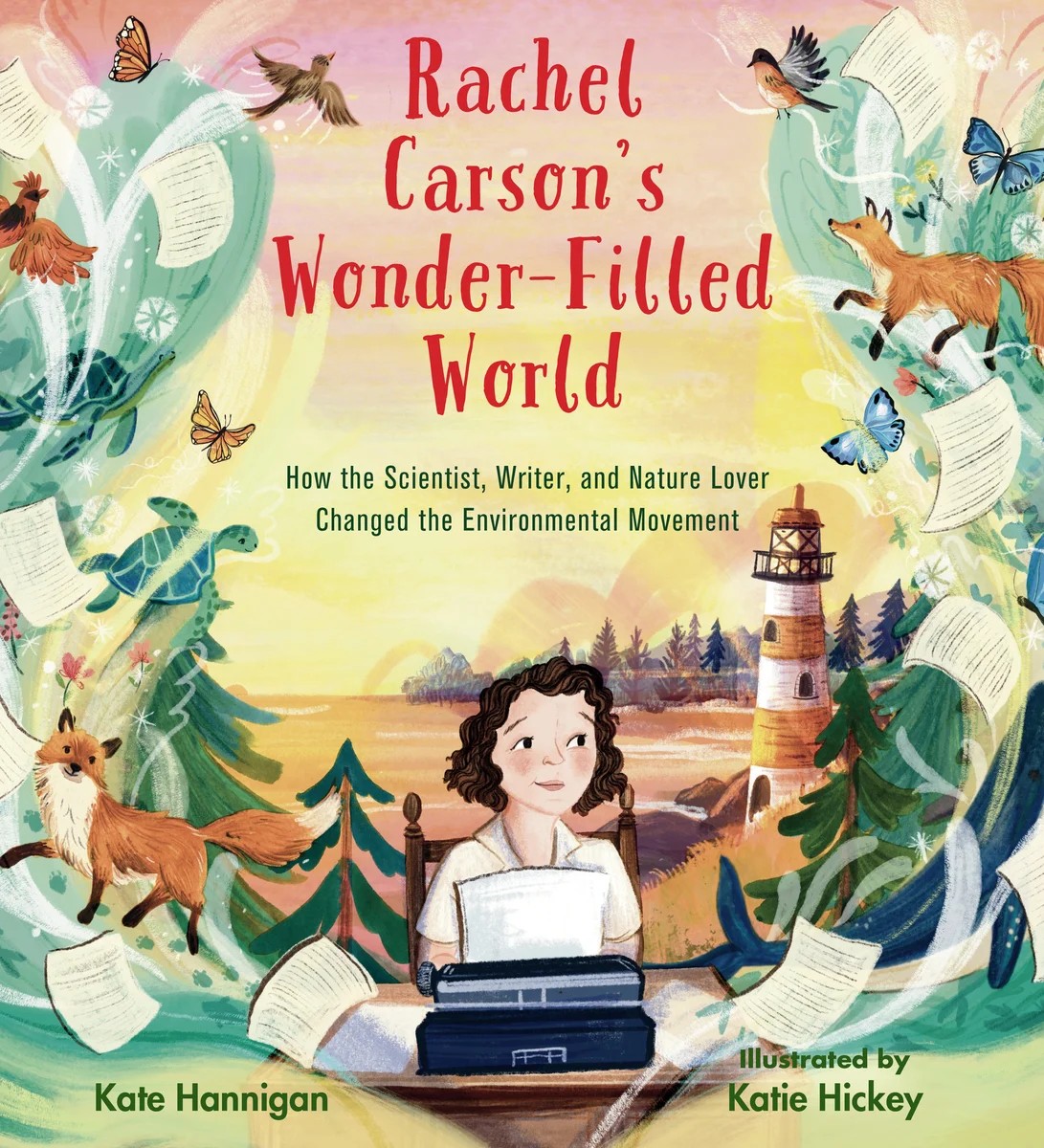
Rachel Carson’s Wonder-Filled World: How the Scientist, Writer, and Nature Lover Changed the Environmental Movement by Kate Hannigan, illustrated by Katie Hickey
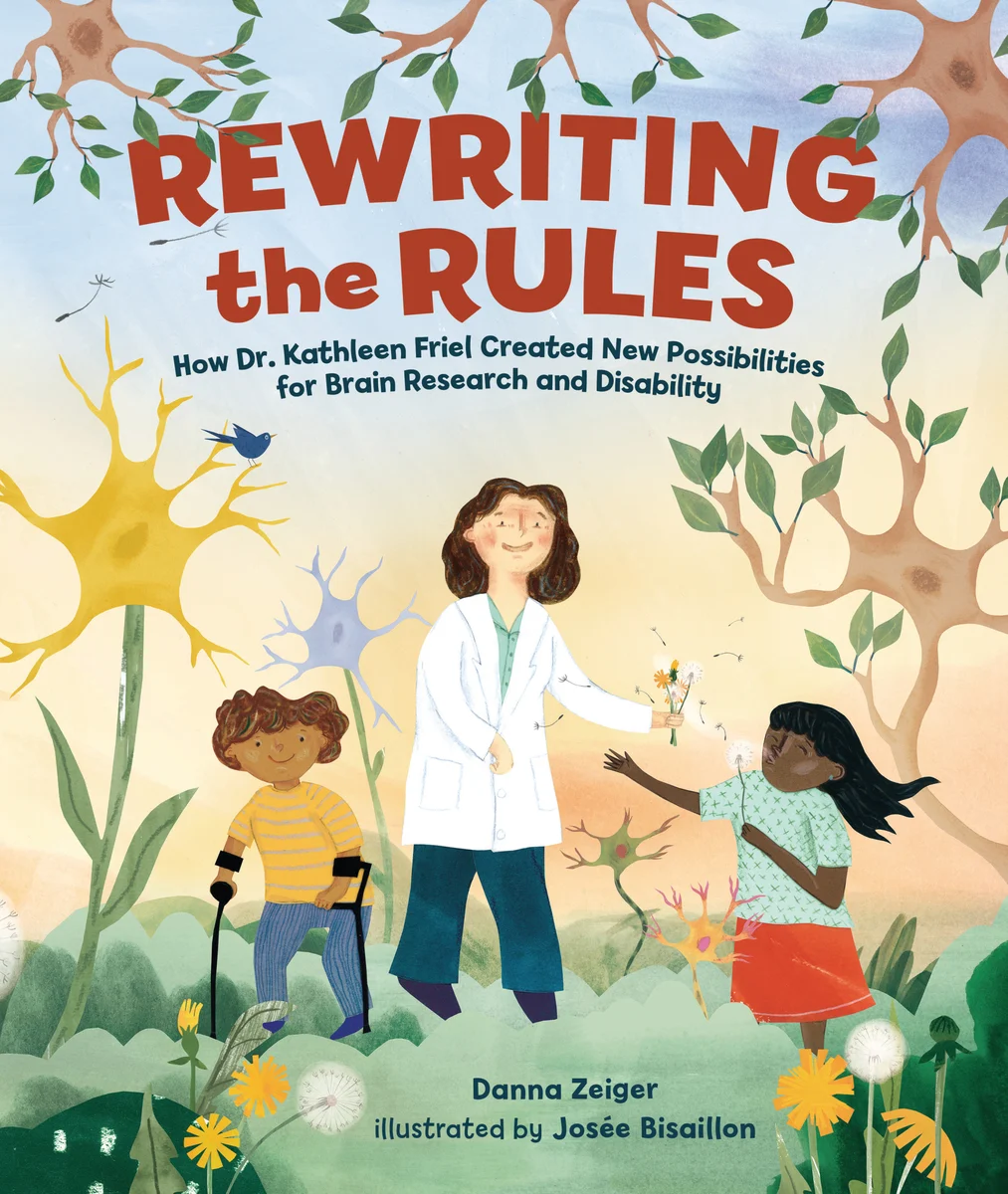
Rewriting the Rules: How Dr. Kathleen Friel Created New Possibilities for Brain Research and Disability by Danna Zeiger, illustrated by Josée Bisaillon
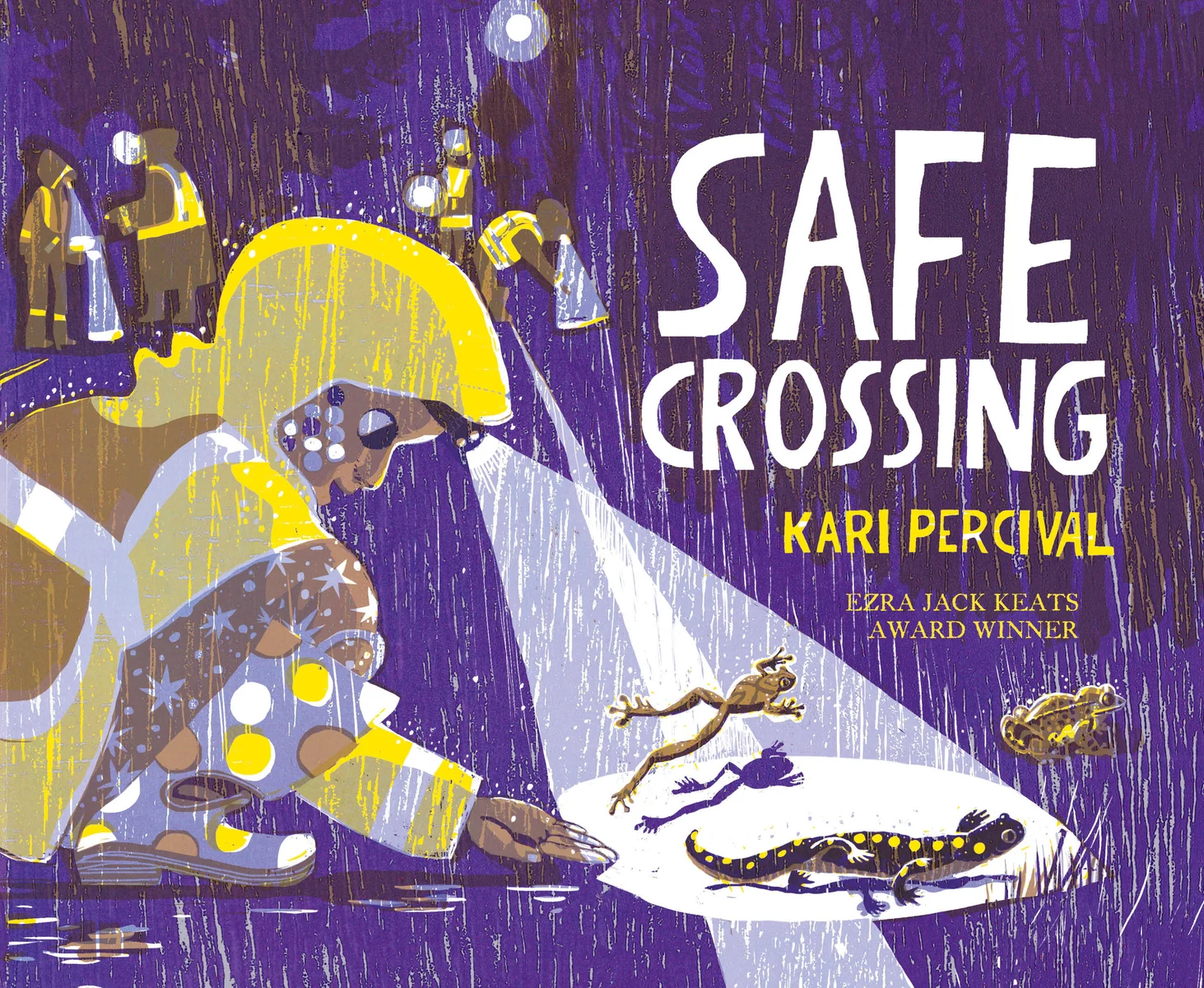
Safe Crossing by Kari Percival
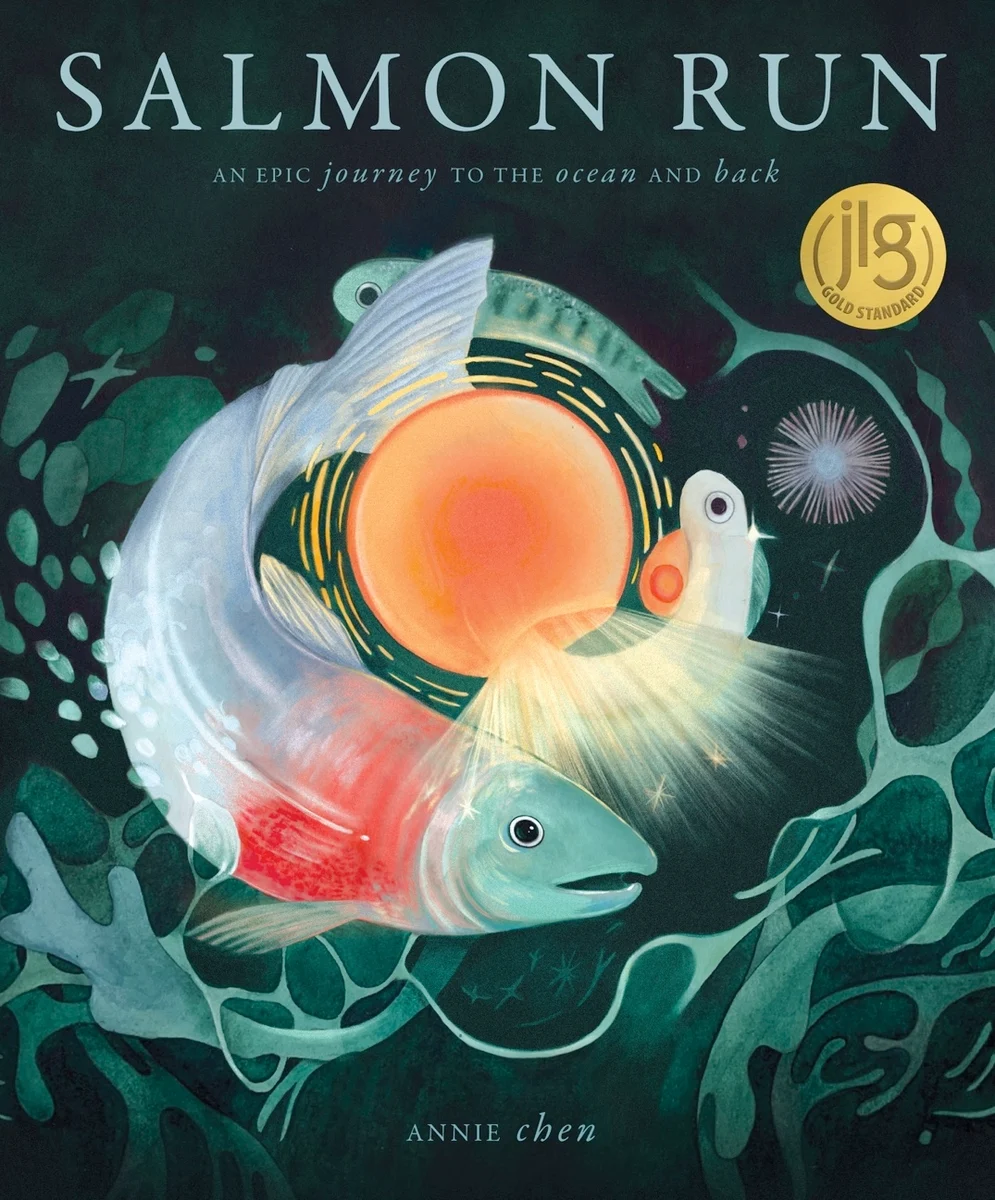
Salmon Run: An Epic Journey to the Ocean and Back by Annie Chen
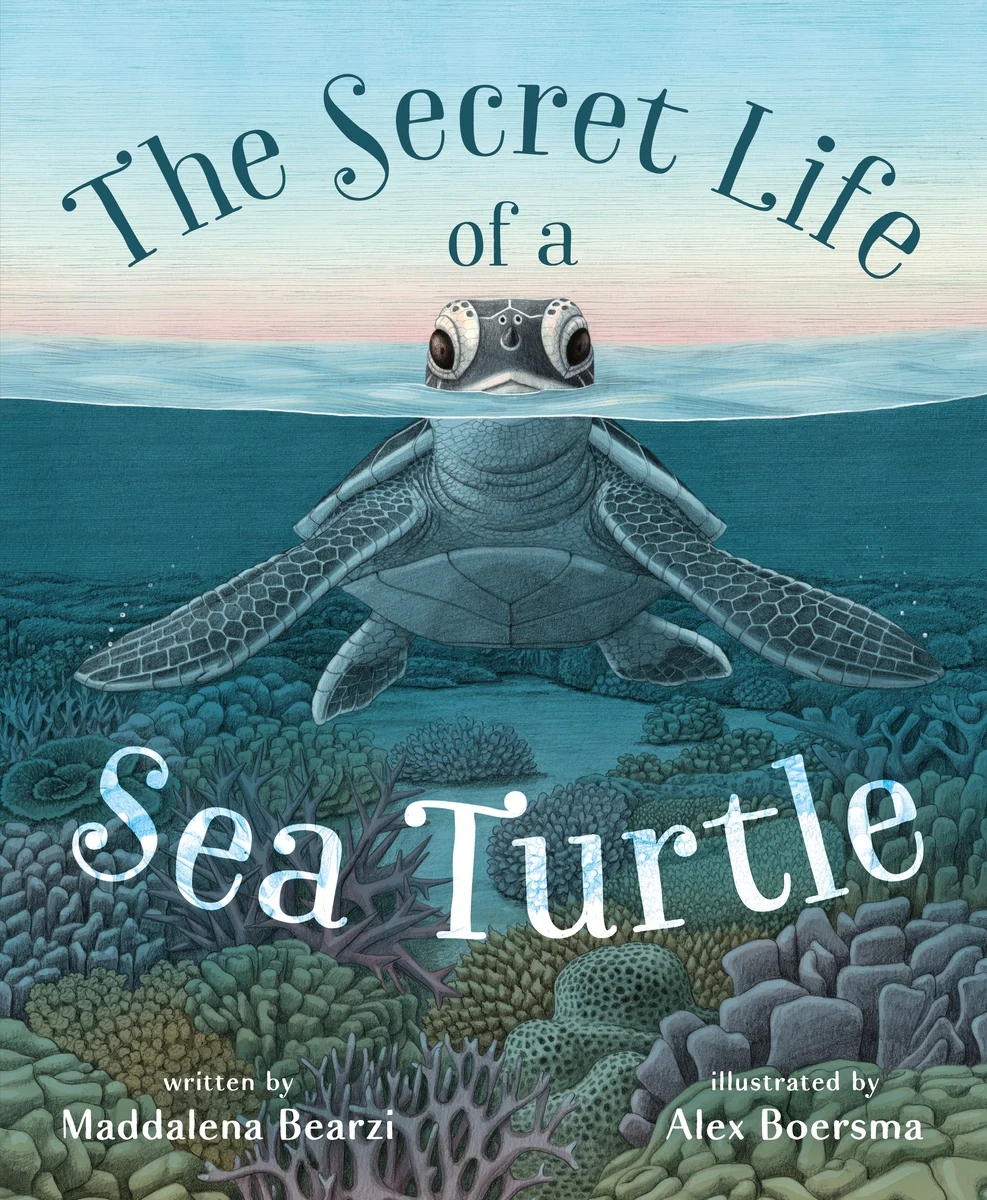
The Secret Life of a Sea Turtle by Maddalena Bearzi, illustrated by Alex Boersma
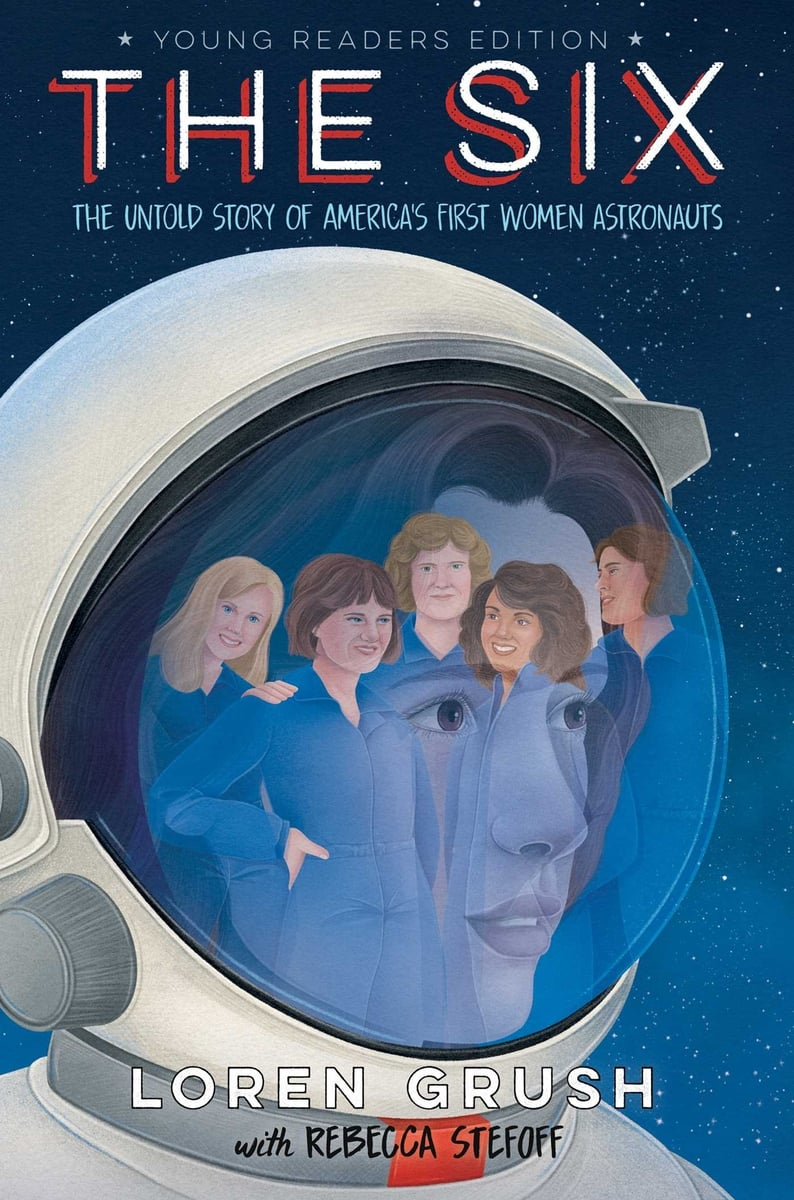
The Six: The Untold Story of America’s First Women Astronauts by Loren Grush, illustrated by Rebecca Stefoff
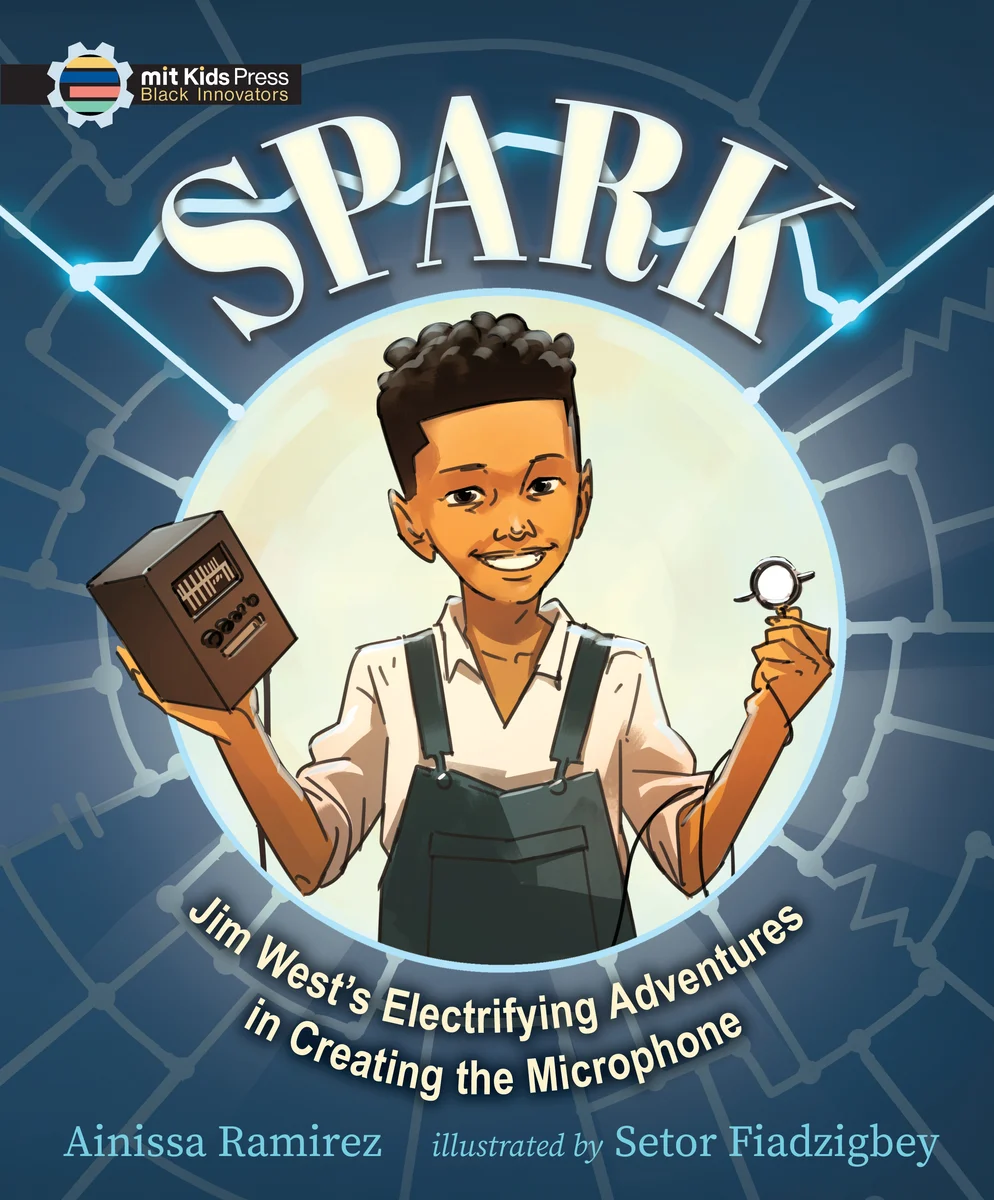
Spark: Jim West’s Electrifying Adventures in Creating the Microphone by Ainissa Ramirez, illustrated by Setor Fiadzigbey
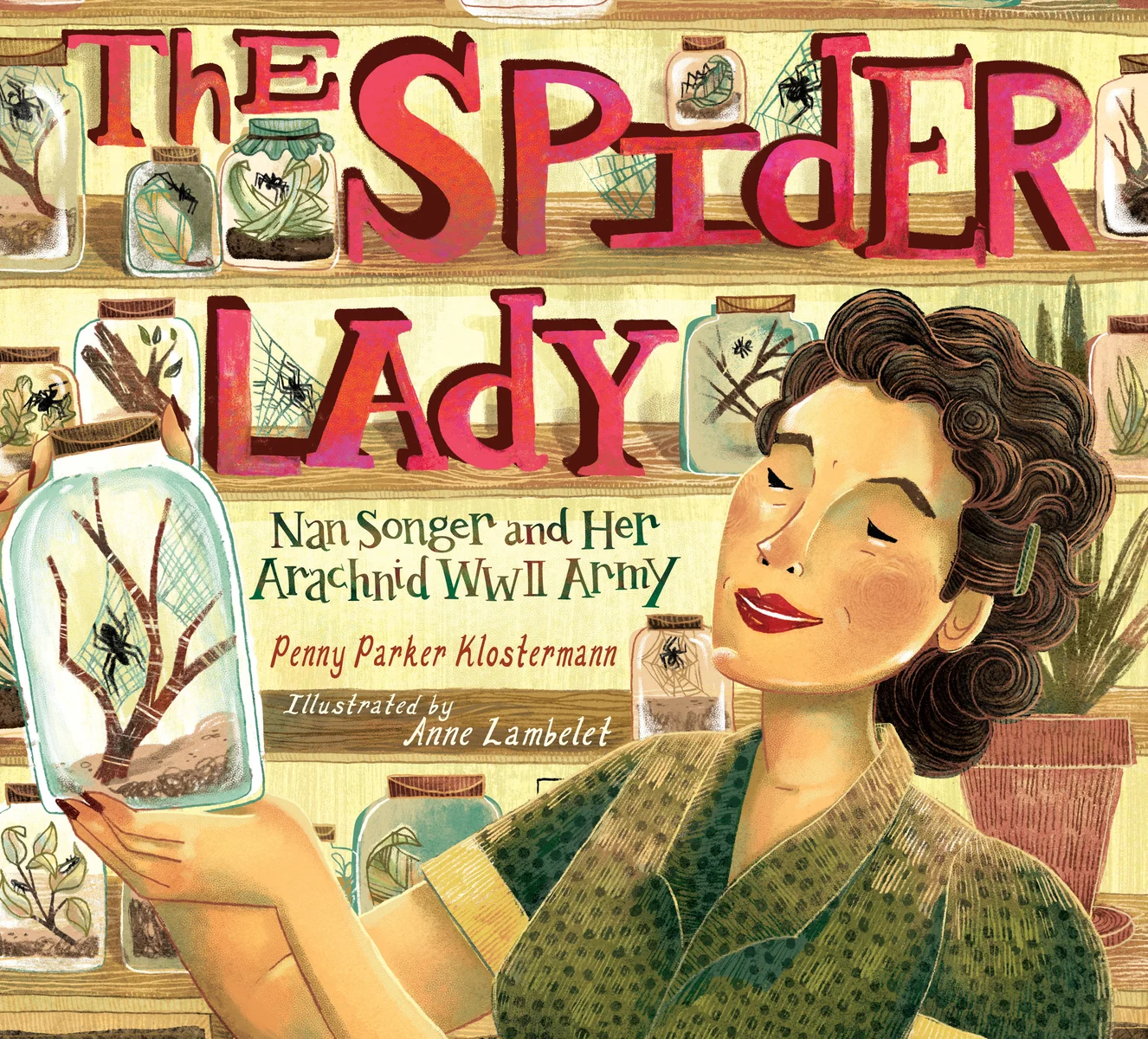
The Spider Lady: Nan Songer and Her Arachnid World War II Army by Penny Parker Klostermann, illustrated by Anne Lambelet
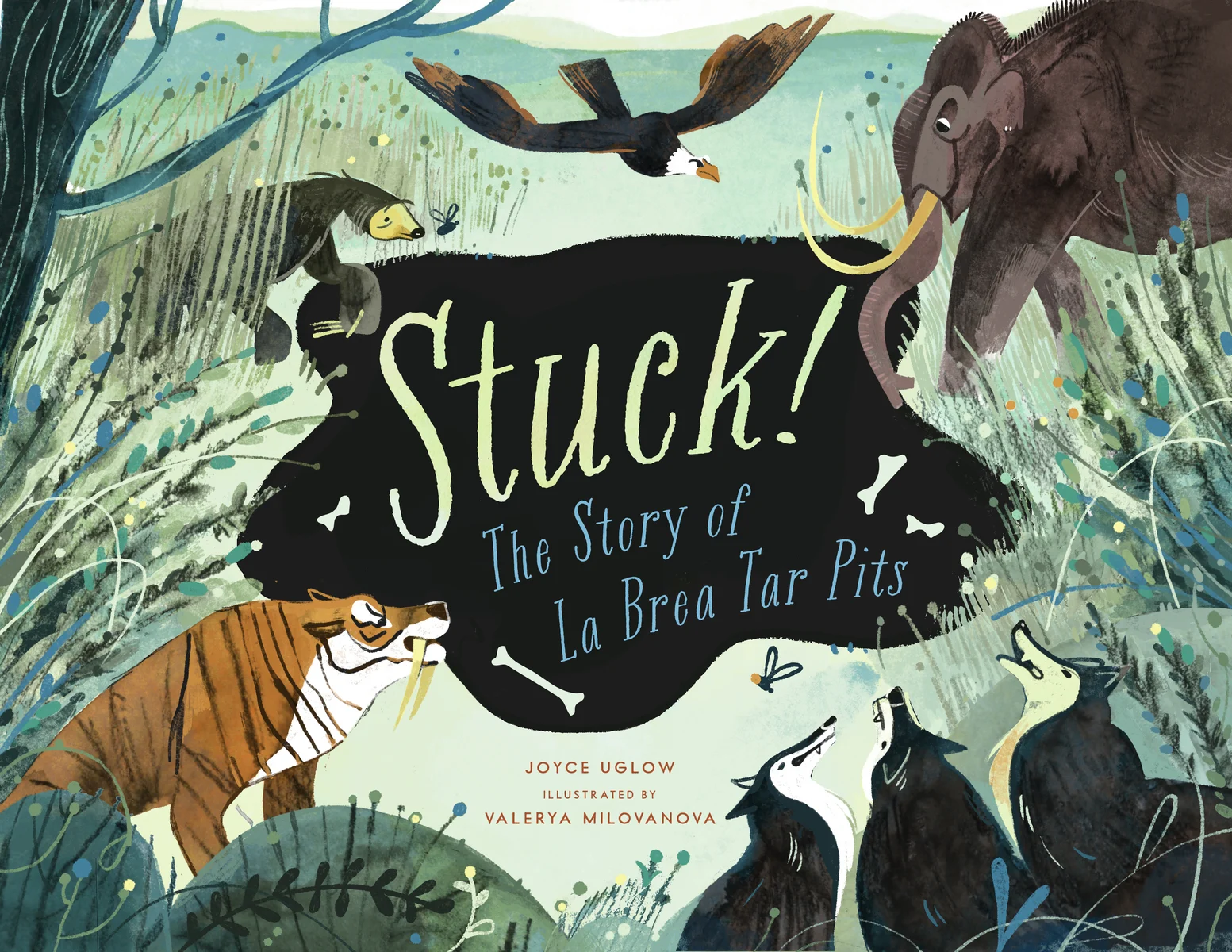
Stuck! The Story of La Brea Tar Pits by Joyce Uglow, illustrated by Valerya Milovanova
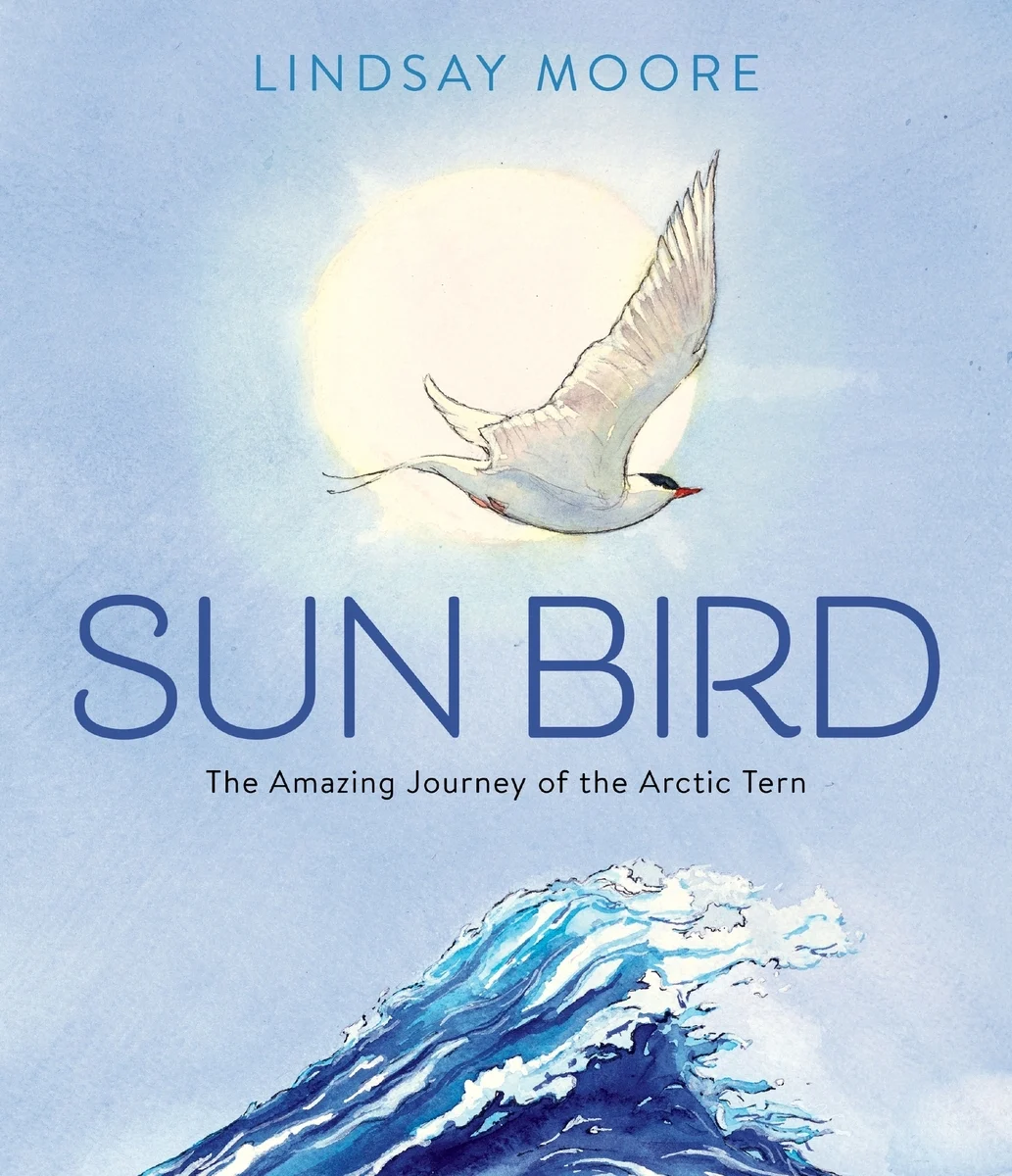
Sun Bird: The Amazing Journey of the Arctic Tern by Lindsay Moore
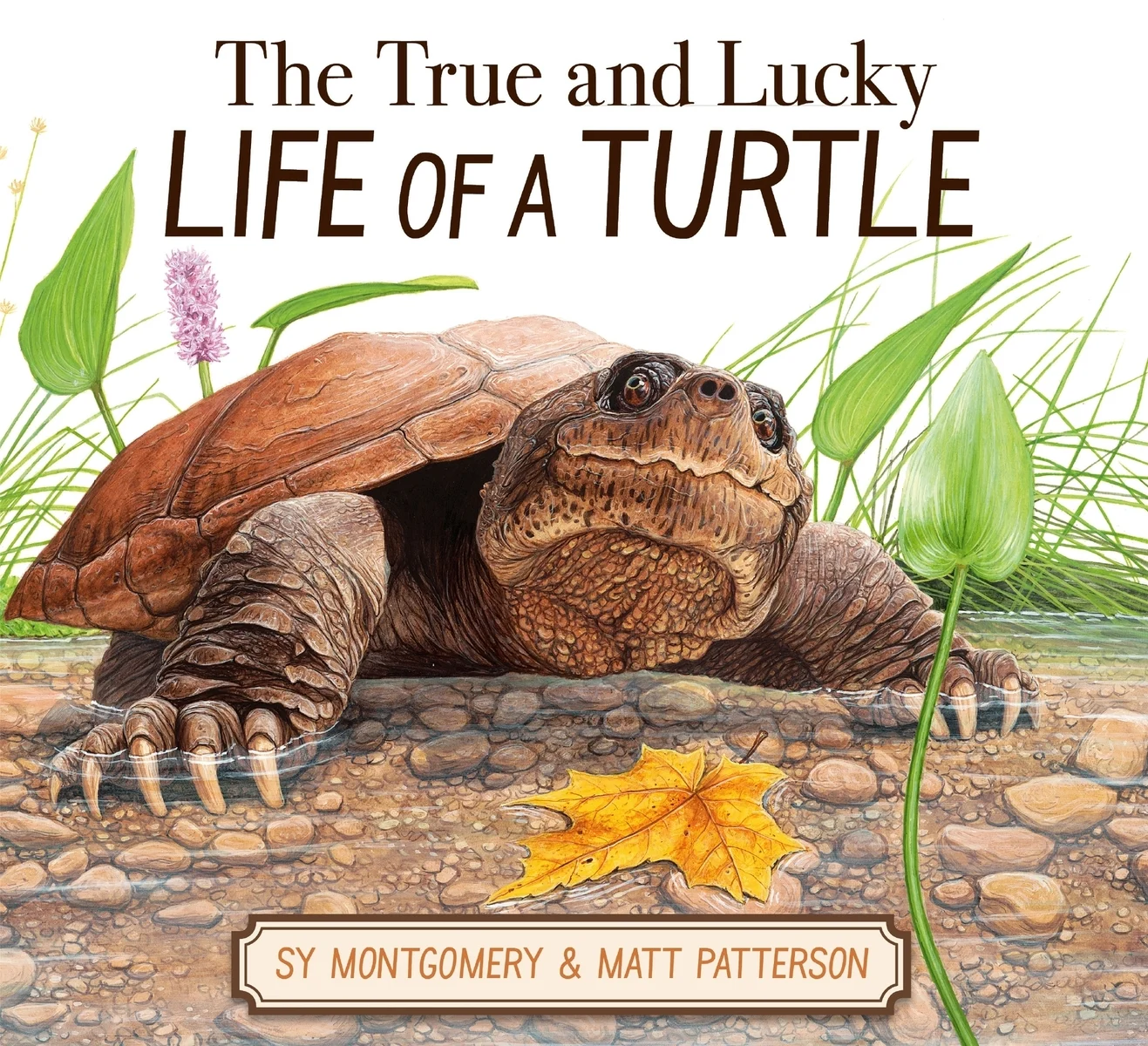
The True and Lucky Life of a Turtle by Sy Montgomery, illustrated by Matt Patterson
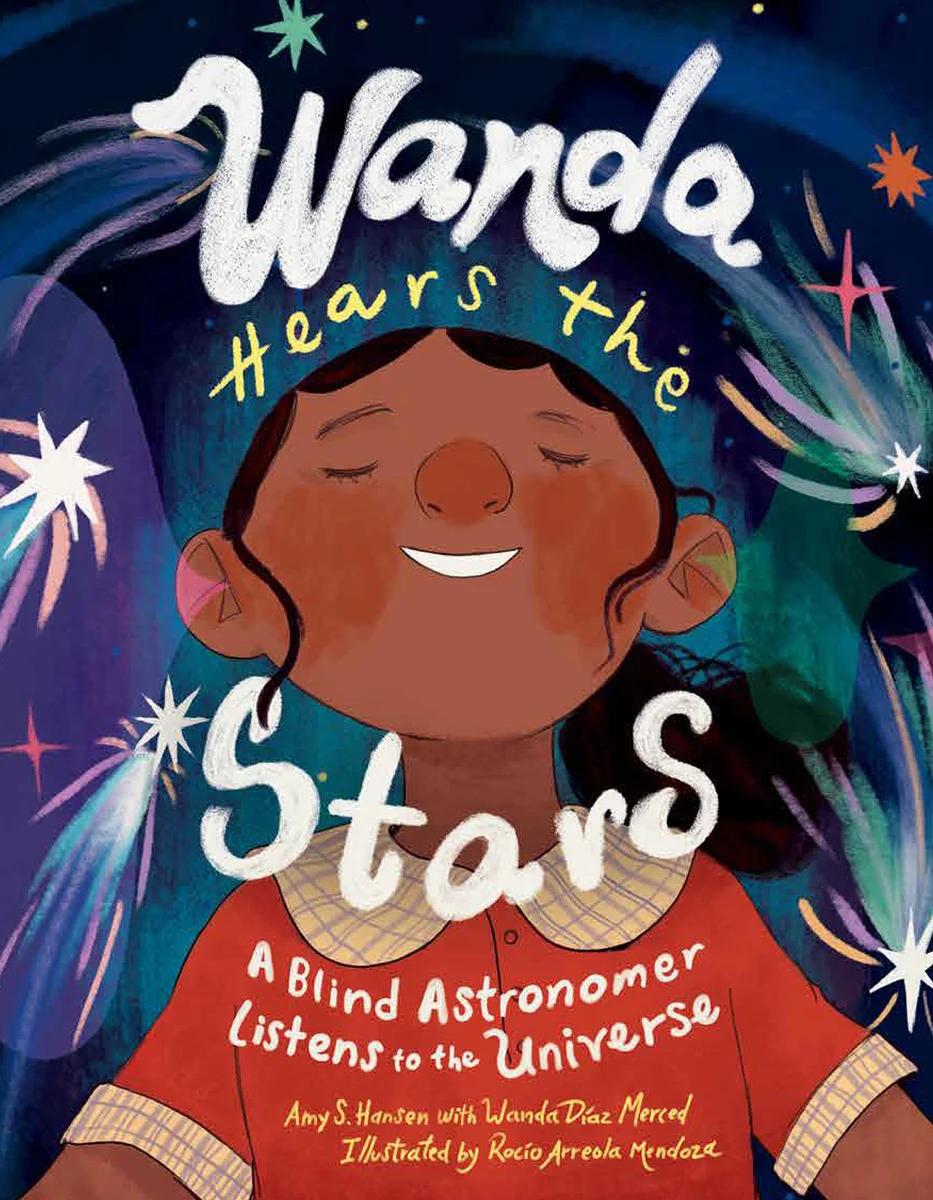
Wanda Hears the Stars: A Blind Astronomer Listens to the Universe by Amy S. Hansen and Wanda Díaz Merced, illustrated by Rocío Arreola Mendoza
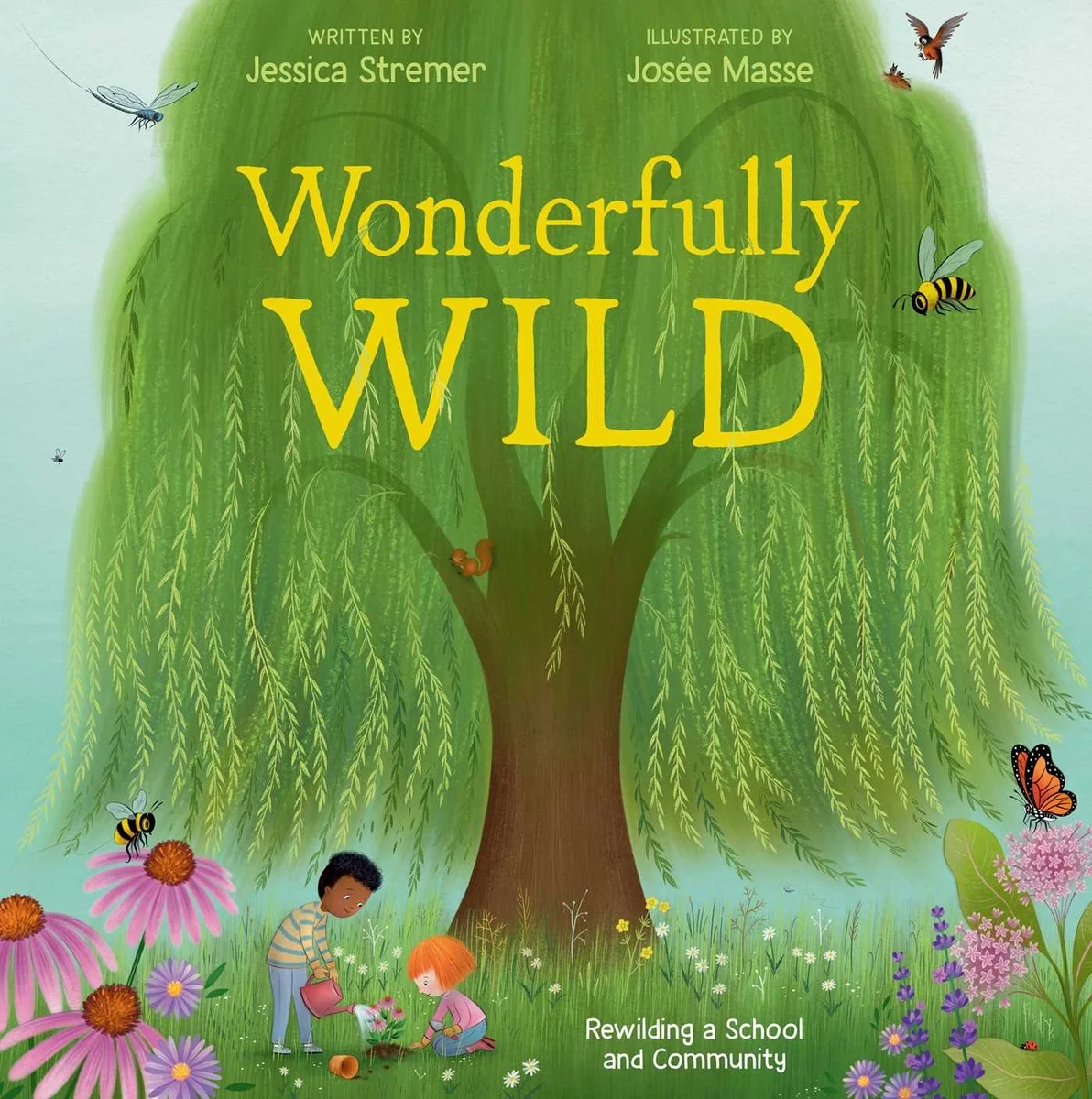
Wonderfully Wild: Rewilding a School and Community by Jessica Stremer, illustrated by Josée Masse
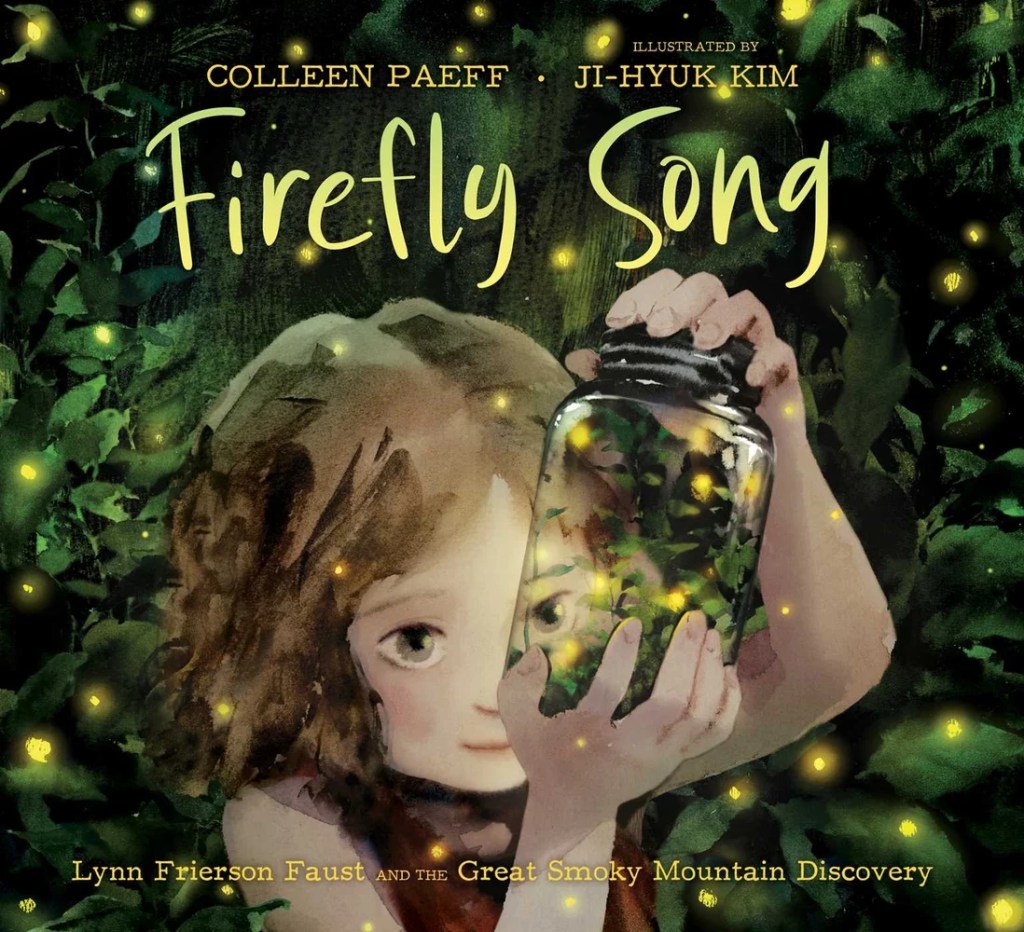
Firefly Song by Colleen Paeff – Book Review

Firefly Song: Lynn Frierson Faust and the Great Smoky Mountain Discovery by Colleen Paeff, illustrated by Ji-Hyuk Kim (9781665931847)

Lynn grew up going to Elkmont in the Great Smoky Mountains every summer. She swam in the water, climbed trees, and walked in the forests. For a few weeks every summer, the fireflies put on a light-filled display in the evening. The entire family would gather to watch the fireflies flash in sync then go dark, then light up in sync once more. When Lynn tried to research fireflies as she grew up, she couldn’t find much information. Then when she read an article, she found that scientists thought that the only fireflies that flashed in sync were in Southeast Asia. Lynn knew that they were wrong. Now she just had to convince one scientist to take her seriously. 

This story of a self-taught naturalist and scientist shows that paying close attention to nature can create new discoveries. The book focuses on Lynn’s childhood and her growing interest in getting others to see what she has found. Throughout the text and the illustrations, there is a sense of joy in nature, of play and discovery along the way. The illustrations are done in watercolor and digital media. The watercolors are allowed to bleed together to create the backgrounds against which nature dazzles. 
A beautiful look at discovery in nature. Appropriate for ages 5-9.

Reviewed from e-galley provided by Margaret K. McElderry Books.

Alberto Salas Plays Paka Paka con la Paka by Sara Andrea Farjardo

Alberto Salas Plays Paka Paka Con La Paka by Sara Andrea Fajardo, illustrated by Juana Martinez-Neal (9781250838612)

Two Peruvian-Americans come together to create a warm and delightful picture book biography of Alberto Salas, a Peruvian scientist who dedicated his life to potatoes. Searching for wild potatoes through the Peruvian landscape is a treat with that landscape depicted by a Caldecott-honoree illustrator. From the hilly land to Salas’ notes to finding the spark of a potato in the mud to the potatoes themselves, readers will be amazed by the colors on the page.

This book tackles climate change, the need for scientists and the manual labor that it sometimes takes for science to happen and to discover something that can feed a changing world. Enjoy this game of hide-and-seek!

Appropriate for ages 4-8.

Reviewed from e-galley.

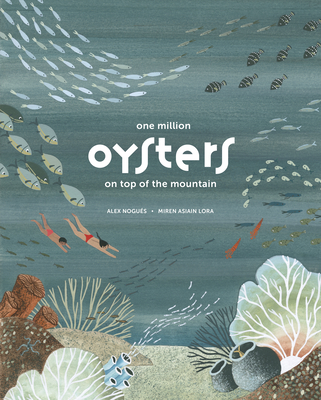
One Million Oysters on Top of the Mountain by Alex Nogues

Cover image for One Million Oysters on Top of the Mountain.

One Million Oysters on Top of the Mountain by Alex Nogues, illustrated by Miren Asiain Lora, translated by Lawrence Schimel (9780802855695)

Written by a Spanish geologist, this nonfiction picture book explores how a million fossilized oysters can possibly be found on a mountaintop. The book begins with exploring several landscape scenes, pointing out how simple it is to ignore the rocks that make up our world. The book moves from a child discovering an oyster shell on a hilltop and also explores various scientific discoveries in geology as the reason for the oysters is explained. Concepts such as strata in the earth, the immense length of geological time, and the movements of tectonic plates are explored and explained. Readers will leave with a great understanding of our changing world, much of which may have been underwater long before.

In this Spanish import, the writing by Nogues is what makes this book work so well. His tone is one of wonder and discovery. He writes from the perspective of discovering a new question, forming a hypothesis and then fully explaining the scientific terms and findings. The book offers a great look at geology and earth science for young children, never speaking down to them, instead explaining and lifting their understanding of the world upwards.

The illustrations are filled with earth tones and green punctuated by the whites of bones, fossils and oyster shells. Many of the illustrations help to give context to scientific concepts in a playful way. The scenes include children discovering fossils, exploring redwood trees, and much more.

A fascinating look at the transformations our earth has undergone. Appropriate for ages 6-9.

Reviewed from copy provided by Eerdmans Publishing Company.

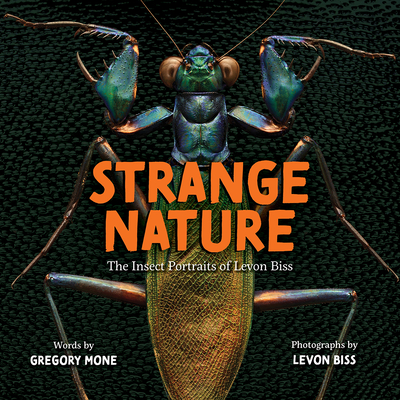
Strange Nature: The Insect Portraits of Levon Biss by Gregory Mone

Cover image for Strange Nature.

Strange Nature: The Insect Portraits of Levon Biss by Gregory Mone, illustrated by Levon Biss (9781419731662)

Levon Biss is a photographer who usually took pictures of celebrities and politicians. When his son brought him a regular garden beetle, the two of them looked at it under a microscope and were amazed at what they saw. Biss then selected 37 insects from the collection of the Oxford University Museum of Natural History to photograph. He used special lenses, cameras and lights to take thousands of pictures of each insect. Those many images were then combined to create the Microsculpture project. The images were enlarged and shown in museums around the world. This nonfiction picture book explores the images created from the Microsculpture project and offers information on each of the insects.

Mone’s text is limited to explaining how Biss got into photographing insects and then moves into sharing scientific information and fascinating facts about each insect. The book includes a glossary and an encouragement to head to the Microsculpture website to learn even more. Mone’s information is nicely selected offering enticing facts, measurements and also pointing out the most interesting parts of the photograph to the reader.

The portraits are incredibly detailed and beautiful. From the lighting that captures each insects iridescence to the incredible shapes of their bodies and armor. The book offers close ups of various parts of each insect, allowing readers to see eyes, legs, heads and more up close. These images are transformative, letting all of us know that we walk in a world of tiny amazing monsters.

Remarkable photographs that will have you leaning in close to see even more, if you dare! Appropriate for ages 4-8.

Reviewed from copy provided by Abrams.

The Snail with the Right Heart by Maria Popova

Cover image

The Snail with the Right Heart by Maria Popova, illustrated by Ping Zhu (9781592703494)

Beginning with the mutations and evolution that brought life to Earth, this picture book soon focuses on snails as they climb out of the water and onto land. Mutations continued to happen, including to one specific snail who was discovered by a retired scientist. It was a smaller snail than normal, with a darker shell and a tentacle that had trouble unspooling, and a shell that spiraled in the opposite direction than other snails’. The scientist sent the unique snail to a snail laboratory where it was named Jeremy. It turned out that Jeremy’s body was a mirror image of most other snail’s and he also had inverted internal organs. Because of that, Jeremy could only mate with another mirror image snail, another one in a million. So the snail laboratory made a plea for the entire world to look for another “lefty” snail. Amazingly, in only a few weeks, two potential mates were found and sent to the snail laboratory. When eventually Jeremy had offspring, he was so old that he didn’t live to see them arrive. Sadly, none of the new snails had a left-spiraling shell. The mutation was once again dormant, but it will return again.

Inspired by a true story, this picture book is a touching mix of poetic description and scientific facts. Popova’s language embraces the reader, showing them the beauty and wonder in mutation, genetics and evolution. She marvels at finding two potential mates in the world for Jeremy and then delicately celebrates Jeremy’s life at the end. She writes with real intention both to reveal the amazing nature around us but also to describe the science, including Jeremy’s mirror image body, the way that snails mate, and the work of the scientists who cared enough to explore his mutation.

Zhu’s illustrations are awash in colors, from the blues of the original waters of life to the rich green of English gardens. Done in watercolor swirls and drips, the illustrations are a mix of close ups from a snail’s view and the bustle of humans transporting Jeremy and the other snails. There is even a lovely foldout page that invites readers to even more fully enter the depths of the garden.

Full of wonder and science. Appropriate for ages 5-7.

Reviewed from copy provided by Enchanted Lion.

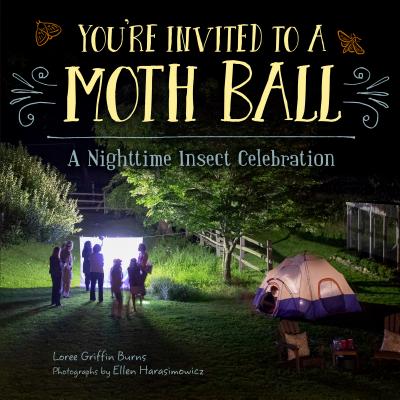
You’re Invited to a Moth Ball by Loree Griffin Burns

Cover image for You’re Invited to a Moth Ball

You’re Invited to a Moth Ball by Loree Griffin Burns, photographs by Ellen Harasimowicz (9781580896863)

Combining detailed instructions, plenty of encouragement and vivid photography, this book invites families and classes to create their own nighttime moth ball. The first steps are understanding moths and then putting together the supplies and tools you will need: including a sheet, rope, UV collecting light, and your own camera and flashlight. Prepare the screen and then also make sure you have a snack, one for the moths of course! Now you have two types of bait: light and nectar. Patience is part of the process, as more moths will come as the night gets later and darker. Take your time, be gentle, and marvel at these creatures that live all around us.

Burns offers such a merry invitation to readers in this book, making it feel like a true celebration of insects that we often take for granted or don’t even think about. Her encouragement to do research is appreciated, dedicating time in her set up of the moth ball to model reading books and learning about the creatures you are going to view. Her instructions are child-centered, creating a process that children can do themselves and participate in directly.

The photographs also center on the children managing the entire process themselves. When night falls, the magic in the photos happens as children carry their own lights, the moths arrive and the real party begins. The images of the moths themselves show their proboscis, furry bodies and amazing wings.

A grand project to immerse children and families into wildlife, insects and spending the night outside. Appropriate for ages 5-9.

Reviewed from library copy.

NSTA Best STEM Books 2021

The National Science Teaching Association (NSTA) has announced the winners of their Best STEM Books of the year. They define the best as books that “help by celebrating convergent and divergent thinking, analysis and creativity, persistence, and the sheer joy of figuring things out.” Here are the winning titles:

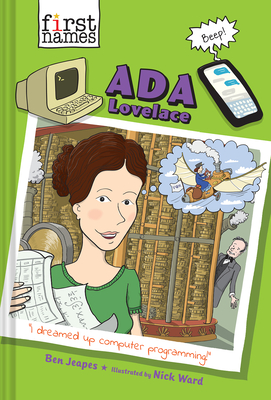
Ada Lovelace by Ben Jeapes, illustrated by Nick Ward

All Thirteen: The Incredible Cave Rescue of the Tai Boys’ Soccer Team by Christina Soontornvat

Beastly Bionics: Rad Robots, Brilliant Biomimicry, and Incredible Inventions Inspired by Nature by Jennifer Swanson

Changing the Equation: 50+ US Black Women in STEM by Tonya Bolden

Galileo! Galileo! by Holly Trechter and Jane Donovan

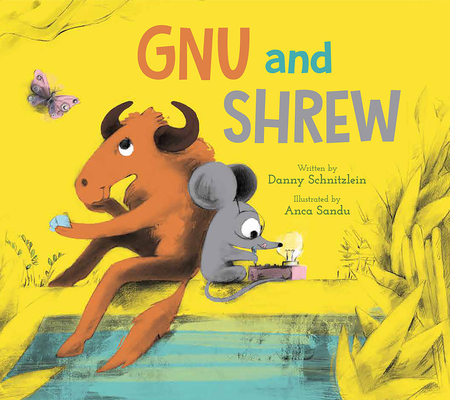
Gnu and Shrew by Danny Schnitzlein

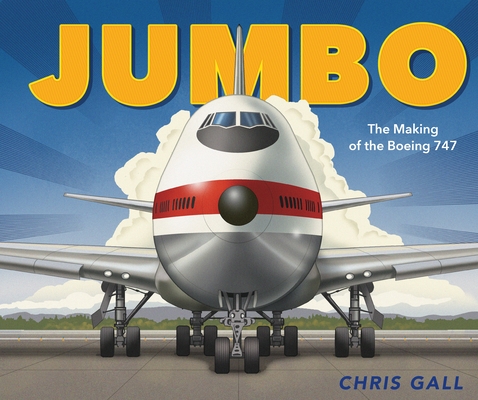
Jumbo: The Making of the Boeing 747 by Chris Gall

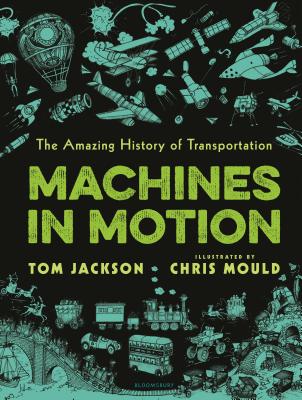
Machines in Motion: The Amazing History of Transportation by Tom Jackson

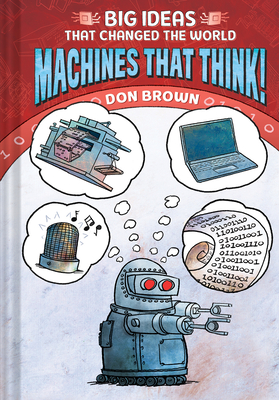
Machines That Think!: Big Ideas That Changed the World #2 by Don Brown

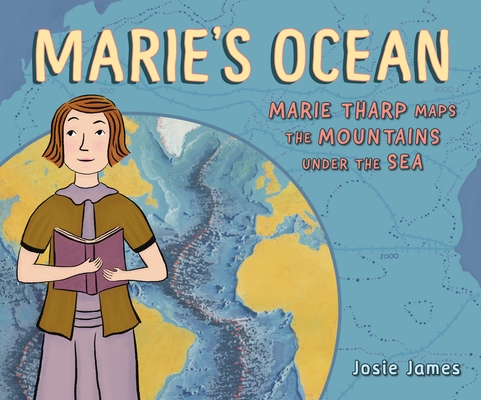
Marie’s Ocean: Marie Tharp Maps the Mountains Under the Sea by Josie James

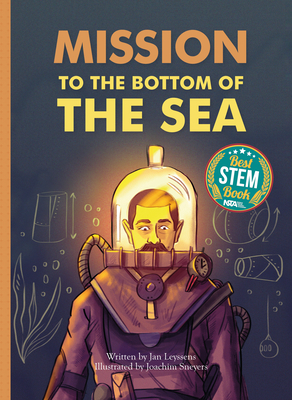
Mission to the Bottom of the Sea by Jan Leyssens, illustrated by Joachim Sneyers

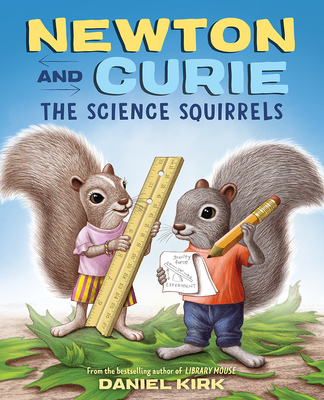
Newton and Curie: The Science Squirrels by Daniel Kirk

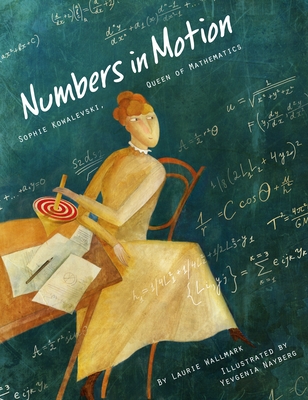
Numbers in Motion: Sophie Kowalevski, Queen of Mathematics by Laurie Wallmark, illustrated by Yevgenia Nayberg

The Polio Pioneer: Dr. Jonas Salk and the Polio Vaccine by Linda Elovitz Marshall, illustrated by Lisa Anchin

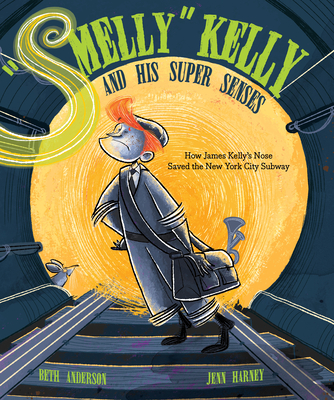
“Smelly” Kelly and His Super Senses: How James Kelly’s Nose Save the New York City Subway by Beth Anderson, illustrated by Jenn Harney

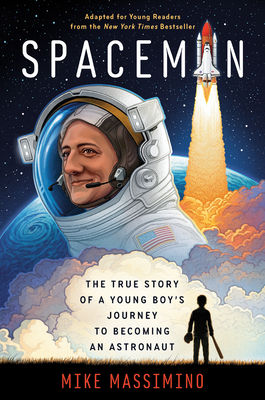
Spaceman: The True Story of a Young Boy’s Journey to Becoming an Astronaut (Adaption for Young Readers) by Mike Massimino

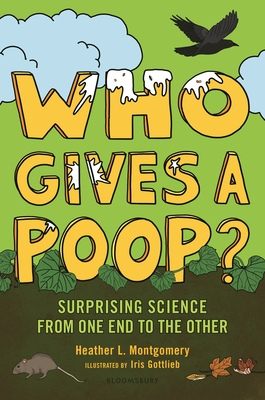
Who Gives a Poop?: Surprising Science from One End to the Other by Heather L. Montgomery, illustrated by Iris Gottlieb

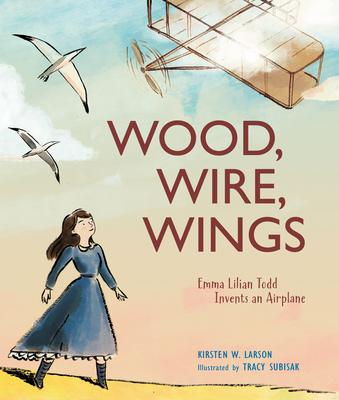
Wood, Wire, Wings: Emma Lilian Todd Invents an Airplane by Kirsten Larson, illustrated by Tracy Subisak

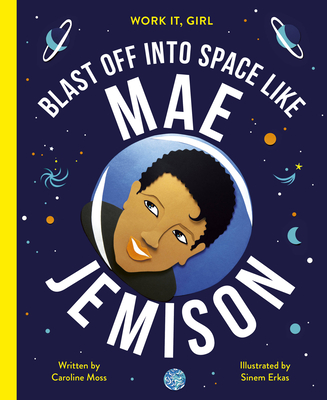
Work It, Girl: Blast Off into Space Like Mae Jemison by Caroline Moss, illustrated by Sinem Erkas

AAAS/Subaru Prize for Excellence in Science Books – 2021 Longlists

The AAAS/Subaru Prize for Excellence in Science Books is awarded for “outstanding science writing and illustration for children and young adults.” It encourages the writing and publishing of high-quality science books for all ages. Below are the longlists for middle grades and picture books. The young adult list tends to be adult nonfiction titles, you can find that here. All of these lists are great collection development tools for librarians. Here are the longlisted titles:

2021 Longlist for Children’s Science Picture Book Award

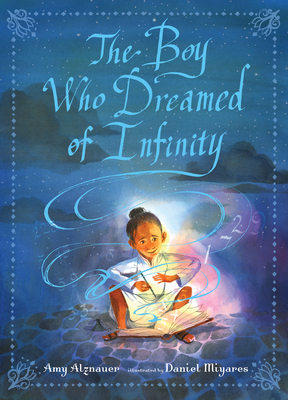
The Boy Who Dreamed of Infinity: A Tale of the Genius Ramanujan by Amy Alznauer. Illustrated by Daniel Miyares

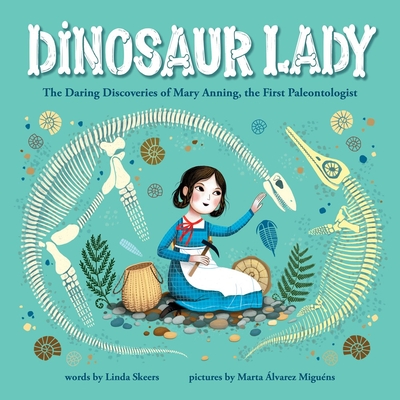
Dinosaur Lady: The Daring Discoveries of Mary Anning, the First Paleontologist by Linda Skeers. Illustrated by Marta Alvarez Miguens

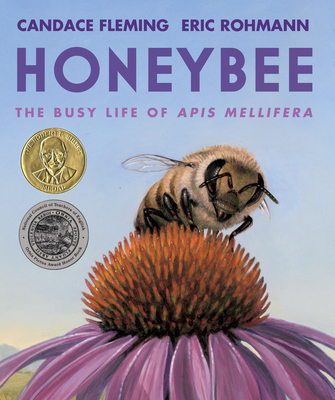
Honeybee: The Busy Life of Apis Mellifera by Candace Fleming. Illustrated by Eric Rohmann

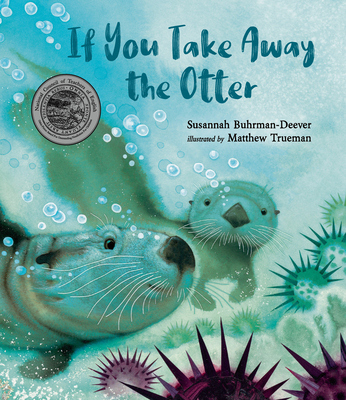
If You Take Away the Otter by Susannah Buhrman-Deever. Illustrated by Matthew Trueman

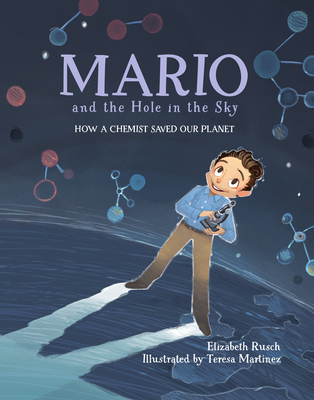
Mario and the Hole in the Sky: How a Chemist Saved Our Planet by Elizabeth Rusch. Illustrated by Teresa Martínez

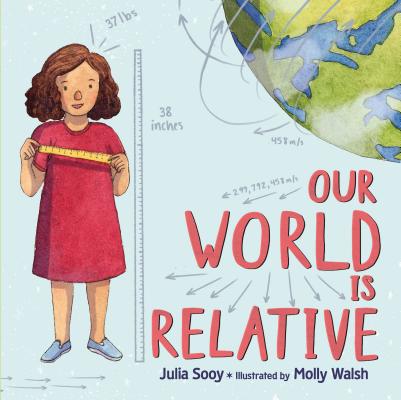
Our World Is Relative by Julia Sooy. Illustrated by Molly Walsh

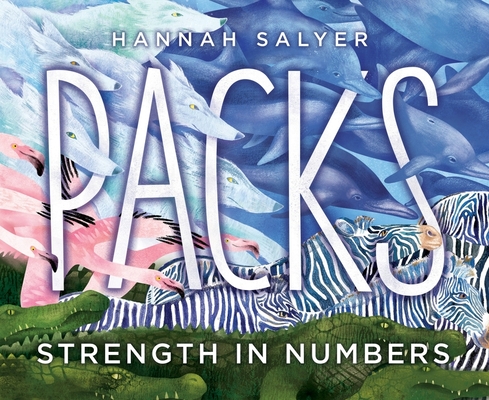
Packs: Strength in Numbers by Hannah Salyer

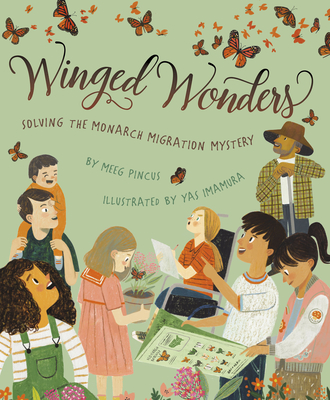
Winged Wonders: Solving the Monarch Migration Mystery by Meeg Pincus. Illustrated by Yas Imamura

2021 Longlist for Middle Grades Science Book Award

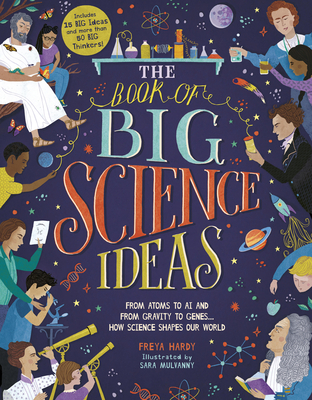
The Book of Big Science Ideas: From Atoms to AI and from Gravity to Genes…How Science Shapes Our World by Freya Hardy. Illustrated by Sara Mulvanny

Can You Hear the Trees Talking?: Discovering the Hidden Life of the Forest by Peter Wohlleben

Condor Comeback by Sy Montgomery. Photographs by Tianne Strombeck

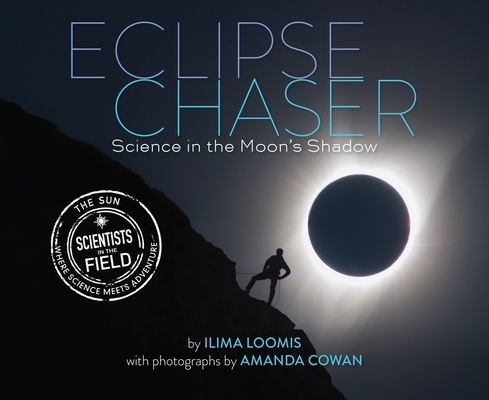
Eclipse Chaser: Science in the Moon’s Shadow by Ilima Loomis. Photographs by Amanda Cowan

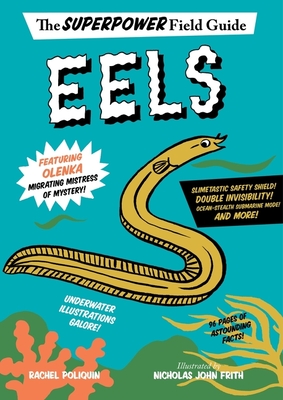
Eels by Rachel Poliquin. Illustrated by Nicholas John Frith

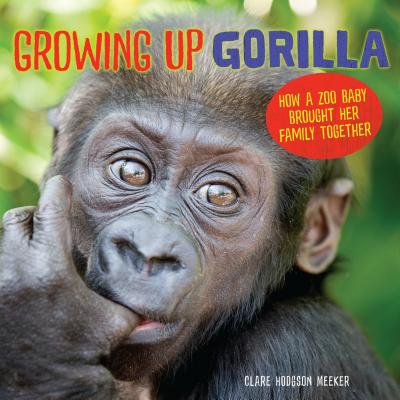
Growing Up Gorilla: How a Zoo Baby Brought Her Family Together by Clare Hodgson Meeker

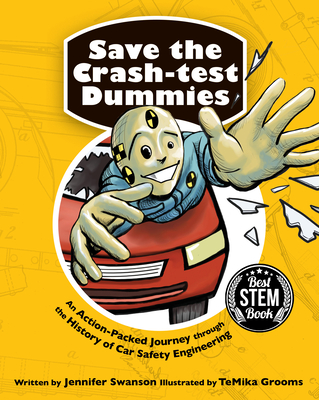
Save the Crash-test Dummies by Jennifer Swanson. Illustrated by TeMika Grooms

Under Pressure: The Science of Stress by Tanya Lloyd Kyi. Illustrated by Marie-Ève Tremblay