3 New Nonfiction Picture Books That Take Risks

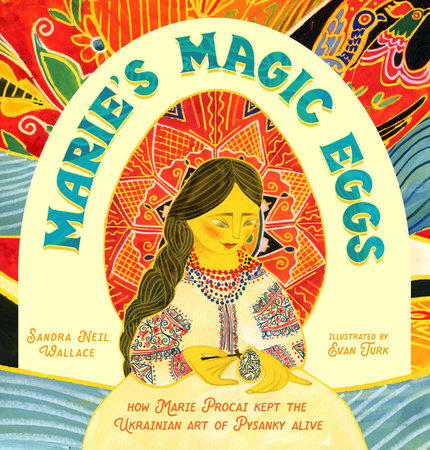
Book cover for Marie’s Magic Eggs: How Marie Procai Kept the Ukrainian Art of Pysanky Alive by Sandra Neil Wallace, illustrated by Evan Turk. Features Marie Procai in the middle of the cover creating a design on an egg with a large red Ukrainian egg behind her.

Marie’s Magic Eggs: How Marie Procai Kept the Ukrainian Art of Pysanky Alive by Sandra Neil Wallace, illustrated by Evan Turk

  • Publisher: Calkins Creek
  • Publication Date: February 10, 2026
  • Reviewed from Edelweiss e-galley
  • ISBN: 9781662680694

Marie learned to make Ukrainian decorated eggs with the Baba in Ukraine. They used beeswax and sketched stories on the eggs which were then painted in colors created from local plants. Marie followed her brothers when they moved to North America. Marie lived in Minneapolis after discovering her favorite uncle was there. When spring came, Marie longed to make pysanky and slowly found a way to create the colors and tools she needed. Marie married and her tools grew better thanks to her husband. Eventually, Marie started to sell tools and teach people how to create this art. Her Ukrainian Gift Shop became the largest supplier of pysanky kits in the world and her eggs were displayed at the White House. All a tribute to her heritage and her Baba.

This dynamic tale mixes tradition with new opportunities. Throughout the book, Marie is shown as a woman with her own ideas, her own way of approaching things and an undying connection to her Ukrainian heritage and culture. The book shares just enough information about creating pysanky to give young readers a sense of the detail and skill that go into each one. The art by Turk is amazing given that it uses resist, just like pysanky does, for the art. The result is an Easter egg of a book that has a rustic and colorful feel. 

A bright inspiring look at a female entrepreneur who used her heritage to create a business that speaks on behalf of Ukrainian heritage. Appropriate for ages 5-8.

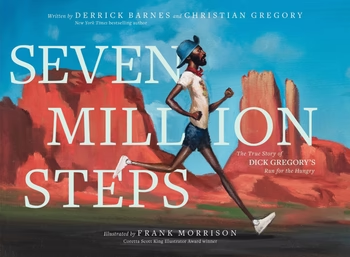
Book cover for Seven Million Steps: The True Story of Dick Gregory’s Run for the Hungry by Derrick Barnes and Christian Gregory, illustrated by Frank Morrison. Featuring Dick Gregory running past red rock formations.

Seven Million Steps: The True Story of Dick Gregory’s Run for the Hungry by Derrick Barnes and Christian Gregory, illustrated by Frank Morrison

  • Publisher: Amistad Books for Young Readers
  • Publication Date: February 3, 2026
  • Reviewed from Edelweiss e-galley
  • ISBN: 9780063357525

To raise awareness of the problem of hunger in America, Dick Gregory pledged to run 3,500 miles across the United States from Los Angeles to New York City in two and a half months. At first, there were journalists, famous people and others cheering. But soon there was just the quiet of the road. He ran 50 miles a day, seeing America in a new way. At every stop Gregory spoke about why he was running. Running farther, Gregory was joined by local people who met him to run with him for a bit, supporting his cause, even Muhammad Ali came along. There was pain, so much effort and finally success as he entered New York on the Fourth of July. 

Told in second person, this book invites you to experience the decisions that went into Gregory’s run as well as the run itself. The text is near poetry, flowing across the page in stanzas that have rhythm that begs to be read aloud. It shares information clearly and with a particular point of view that insists that you look and think about what was accomplished. The art by Morrison is marvelous, filled with the long legs of runners, the vibrancy of brown and Black skin, and playing with perspectives to make the art sing along with the words.

A thrilling and inspiring look at activism in action. Appropriate for ages 5-8.

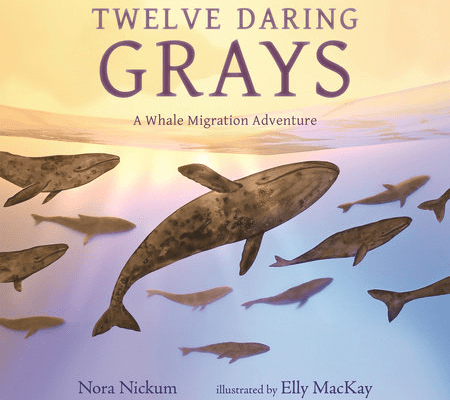
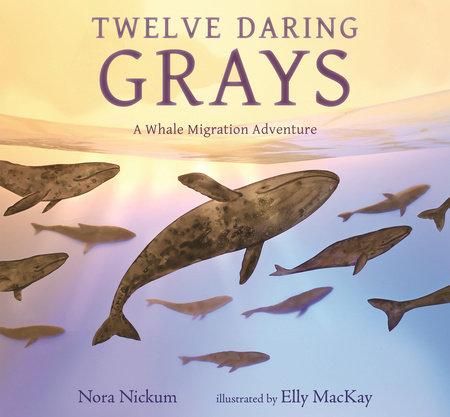
Book cover for Twelve Daring Grays: A Whale Migration Adventure by Nora Nickum, illustrated by Elly MacKay. Features a pod of whales near the surface of the water.

Twelve Daring Grays: A Whale Migration Adventure by Nora Nickum, illustrated by Elly MacKay

  • Publisher: Candlewick
  • Publication Date: February 10, 2026
  • Reviewed from Edelweiss e-galley
  • ISBN: 9781536234701

Every February, gray whales travel from Baja California to the Arctic. The trip is 6,000 miles and takes them 2 months. In their midst are 12 whales with a different plan. All of them eat almost nothing along the trip and some die along the way. When they reach Washington State, the 12 whales change course and head to the Salish Sea. The whales must wait for the tide to rise so they can reach the mudflat safely. Still, the water is very shallow where they must forage for the ghost shrimp to help them survive their journey. They stay for days, devouring the shrimp and leaving whale-sized divots in the sand. They set out on their trip north again, heading to the rich Arctic waters and then traveling back to California again to have their calves. Perhaps those calves too will take the dangerous detour to the Salish Sea.

Nickum has created a nonfiction picture book that reads beautifully, welcoming children to the story of these brave animals as they find a new way to survive a dangerous migration. The prose is presented almost like poetry on the page, offering beautiful moments of wonder at what the whales can do when they turn off and then eat in such shallow waters. MacKay’s art is incredible. She uses paper, ink, colored filters and light to create images that shine on the page. Each of the images is amazing, but I’ve never seen anything like what she has created to show the whales in shallow water. Incredible.

Breathtaking story and illustrations make this a journey worth taking. Appropriate for ages 4-8.

3 New Inspiring American Indian Picture Books

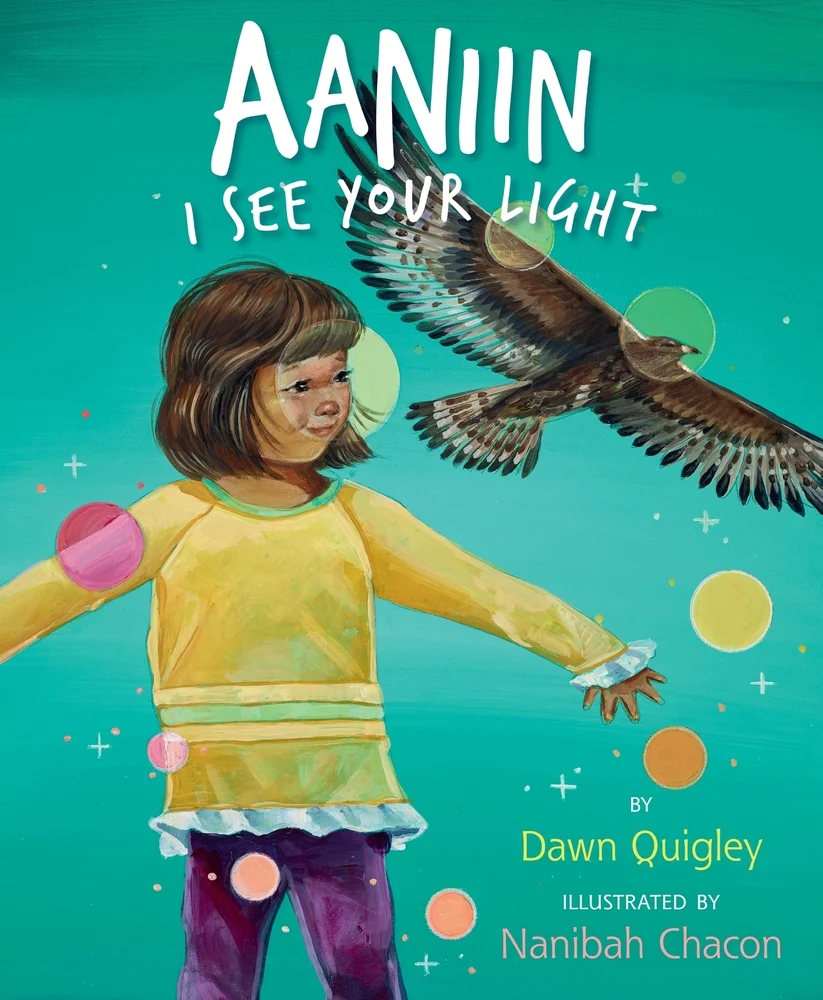
Book cover of Aaniin: I See Your Light by Dawn Quigley, illustrated by Nanibah Chacon, featuring a young Ojibwe girl and a flying eagle

Aaniin: I See Your Light by Dawn Quigley, illustrated by Nanibah Chacon

  • Publisher: Heartdrum
  • Publication Date: January 27, 2026
  • Reviewed from Edelweiss e-galley
  • ISBN: 9780063088634

Ojibwe author, Quigley shares the traditional Seven Grandfather teachings in this picture book. Each teaching is accompanied by a creature that symbolizes it. Courage and bravery are like Bear. Thinking of others before yourself, is like Buffalo. Being humble is like Wolf. Through the story, modern Native children are shown, enjoying nature, participating in activism, and connecting with the world around them.

The book speaks directly to the child reading it, using a second person structure. The words are simple and honest, shining on the child and showing them how vital they already are. The book shows that children are valued and their own characteristics live in the Grandfather teachings. The illustrations share the various animals near the children, shining on the page with light.

A quiet and powerful book about self-worth and connection. Appropriate for ages 2-4.

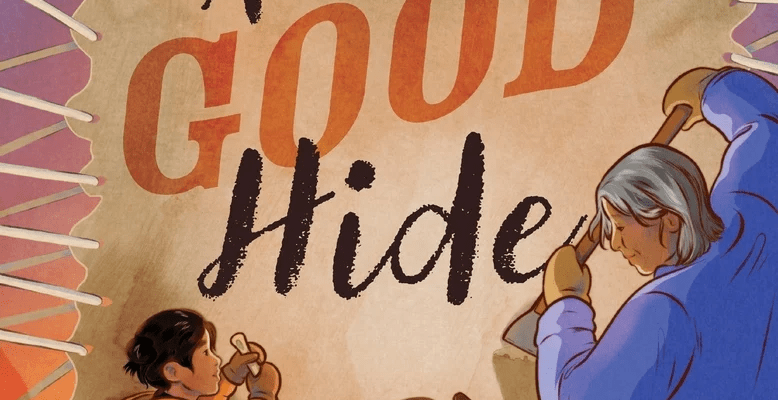
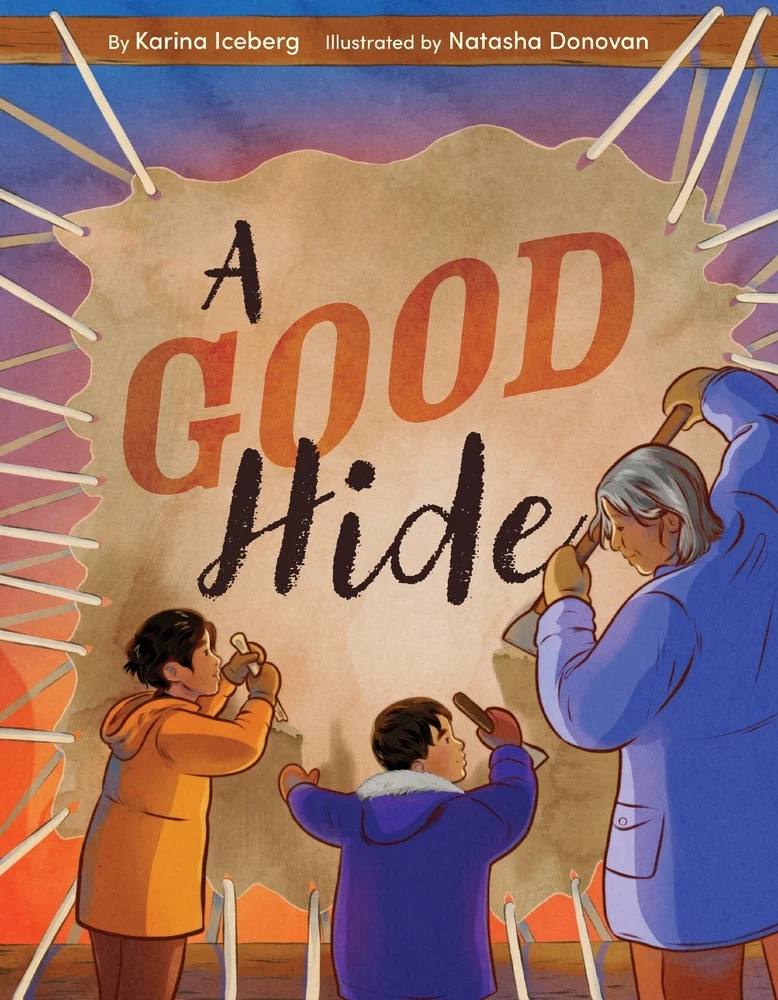
Book cover of A Good Hide by Karina Iceberg, illustrated by Natasha Donovan, featuring three Alaskan Native people scraping a hide. Two of the people are children and one is an elder. The hide is stretched across the cover

A Good Hide by Karina Iceberg, illustrated by Natasha Donovan

  • Publisher: Heartdrum
  • Publication Date: January 13, 2026
  • Reviewed from Edelweiss e-galley
  • ISBN: 9780063254930

In Alaska, after a successful moose hunt, the hide is transformed into quality leather by the community. First, Auntie gives a blessing, then everyone helps scrape the hide until hands are raw. Next comes soaking the hide and stretch it in a variety of ways from drumming to pulling. After that everyone pees on it and then another stretch and a soak in the rain. Next brains are used to create goo that is squished into the hide. It is hung over the fire to let the smoke tan it. More rain, more stretching, more pulling it tight. Finally it is ready to be made into new clothing and items for everyone. 

Told by an Alaska Native (Aleut-Alutiiq), this picture book celebrates the hard work, effort and community it takes to follow traditional ways of tanning leather. The process has elements that will surprise readers just learning about it, including peeing on the hide and using brain goo. Those parts make the book all the more interesting for young readers. The illustrations, done by a member of the Métis Nation of British Columbia, clearly show the many people who work together on creating leather as well as showing the steps it takes. 

A fascinating look at a traditional Native autumn event. Appropriate for ages 4-6.

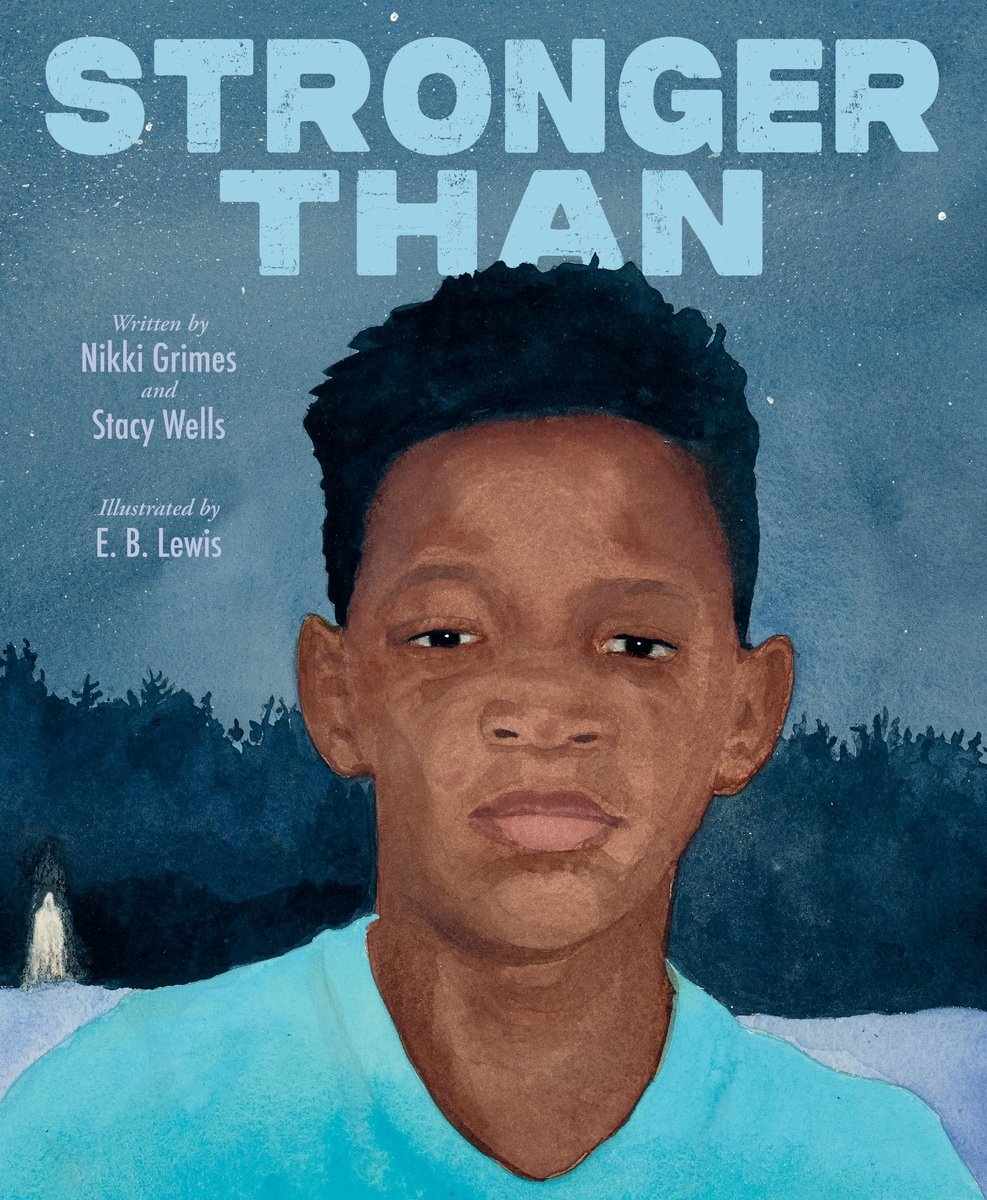
Book cover of Stronger Than by Nikki Grimes and Stacy Wells, illustrated by E. B. Lewis, featuring a Black/Choctaw boy looking straight out and a white figure standing against a row of trees

Stronger Than by Nikki Grimes and Stacy Wells, illustrated by E. B. Lewis

  • Publisher: Heartdrum
  • Publication Date: January 27, 2026
  • Reviewed from Edelweiss e-galley
  • ISBN: 9780063264755

At 8 years old, Dante isn’t scared of almost anything, except the nightmares that he keeps on having. Dante spends his days outside playing in the Oklahoma countryside. He and his brother long to play Choctaw stickball, but they have to wait for their father to come home and do that with them. Night came and so did the nightmares of footsteps coming up behind him and a voice telling him not to run. To help with the dreams, his mother tells him stories of his ancestors, people who survived the Trail of Tears and the Tulsa Race Massacre. The next day, Dante headed to the library to learn even more about his ancestors and the racism they lived through and survived. 

Beautifully told by Grimes in prose that reads more like poetry, this picture book shows the power of learning of one’s ancestors and the strength that can be gained from knowing more about them. It is the story of an Afro-Indigenous child, so Dante learns about Black history and Indigenous Choctaw history and draws strength from both. The illustrations are done in watercolor, focusing on the faces of Dante’s ancestors, the connection with his living family members, and the haunting vision of his nightmare.

A quietly powerful picture book about family history. Appropriate for ages 7-9.

2 New Picture Books about Learning from Grandparents

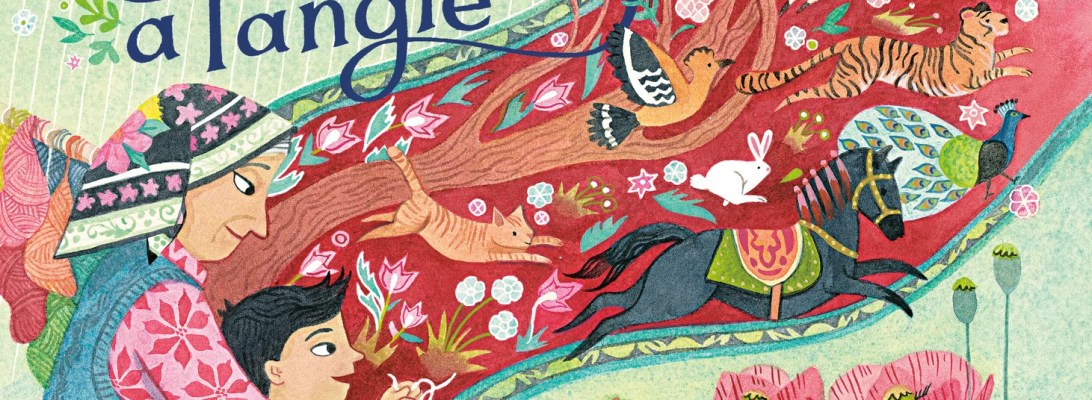
A Knot Is Not a Tangle by Daniel Nayeri, illustrated by Vesper Stamper 

Publisher: Knopf Books for Young Readers

Publication Date: November 25, 2025

Reviewed from Edelweiss e-galley

ISBN: 9780593809693

An Iranian boy is woken up by his grandmother. They have breakfast together on the old frayed rug before taking a meal out to Grandpa in the field where he is herding sheep. The three start planning to make a new rug. They wash the wool and card out the tangles. They spin it into wool that is dyed with local flowers. Then the design is plotted out on graph paper. Next they start weaving on the loom, creating Persian knots to hold tight. The boy learns to create knots and not tangles, until midway his grandmother adds the Persian flaw to keep it from being perfect. The new rug is finished and ready for new memories to be made.

Nayeri shows the art of Persian rug making through the eyes of a child, making not only the art itself accessible but also showing the love of grandparents along the way. The boy learns the craft and also the heart of making rugs, with specific emphasis on the Persian flaw and the lack of perfectionism. The art in the book captures the colors of the wool, the beauty of the flowers, and the lovely designs of both rugs that the family uses. 

Family, warmth and art combine in a winning title. Appropriate for ages 3-5.

The One About the Blackbird by Melanie Florence, illustrated by Matt James 

Publisher: Tundra Books

Publication Date: October 21, 2025

Reviewed from e-galley provided by publisher

ISBN: 9781774882665

Jack lived with his grandfather in a house filled with music. There was music on the record player plus his grandfather played several instruments, including the guitar. Jack particularly loved it when his grandfather played the guitar, especially the song about the blackbird. Jack asked his grandfather to show him how to play the blackbird song, but first it took a lot of help and practice to even play a single chord. With encouragement from his grandfather, Jack kept at it and learned to play the guitar. As Jack got bigger and the guitar got smaller, he left home and played music all over the world. When he returned, his grandfather was different and this time it was Jack who showed him how to play. 

Throughout this book, I could hear the song about the blackbird in my head, haunting and lovely. Children will want to hear that song after reading this book. The touching relationship between the two characters comes full circle by the end of the story as the grandfather grapples with dementia. The power and connectivity of music is on full display throughout the tale. James’ art is deeply organic yet accessible, showing the two characters as their relationship evolves and changes in the small blue house. 

Sure to strike the right chord. Appropriate for ages 5-7.

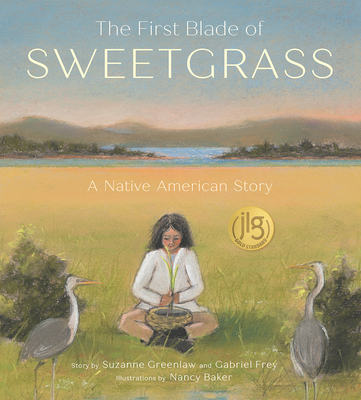
The First Blade of Sweetgrass by Suzanne Greenlaw and Gabriel Frey

Cover image for The First Blade of Sweetgrass.

The First Blade of Sweetgrass by Suzanne Greenlaw and Gabriel Frey, illustrated by Nancy Baker (9780884487609)

Musqon accompanies her grandmother to the salt marsh where they are going to pick sweetgrass. The salt marsh is where the river meets the ocean. Her grandmother explains that she helped her own grandmother pick sweetgrass as a girl to weave into baskets and use in ceremonies. To Musqon, all of the grasses look the same, so her grandmother shows her what to look for to find sweetgrass among all the other grasses. She explains that they never pick the first blade of sweetgrass that they see, to make sure that sweetgrass continues to the next generation. When her grandmother tells her that sweetgrass has a shiny green tassel and blades with a purple stem and that it is easy to pick, Musqon is confident she can find it on her own. It isn’t until Musqon takes her time, thinks about what she is there to do, and really sees the salt marsh that she can find sweetgrass herself.

Written by a citizen of the Houlton Band of Maliseet Indians and a citizen of the Passamaquoddy Nation, this picture book is a gentle story of Native traditions shared with a new generation. The text of the book shares Passamaquoddy-Maliseet words in the dialogue of the characters. It takes the time, slowing us all down, to explain the importance of sweetgrass and how to find it. The moment when Musqon takes her own time and gives herself space is beautifully created.

Baker learned about sweetgrass for this book also the landscape in which it grows. She shows a delicacy with both in her illustrations, celebrating sweetgrass itself and also showing the beautiful landscape where the river meets the ocean.

A rich and vital look at sweetgrass and heritage. Appropriate for ages 4-7.

Reviewed from e-galley provided by Tilbury House.

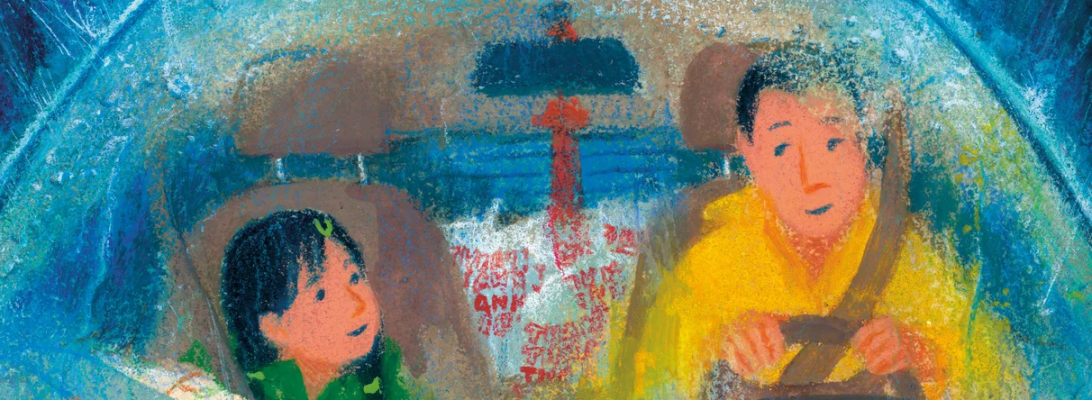
The Ocean Calls by Tina Cho

The Ocean Calls by Tina Cho

The Ocean Calls by Tina Cho, illustrated by Jess X. Snow (9781984814869)

Dayeon and her Grandmother watch the sea in the morning from their house. Dayeon’s grandmother is a haenyeo, a woman who dives deep underwater to find abalone. Dayeon is scared of diving though. For breakfast, the two have abalone porridge and practice holding their breath. They both put on sunscreen and diving gear and head to the water. Dayeon plans only to pull treasures from the shore though. After her grandmother finds ten sea gifts, Dayeon agrees to try diving with her grandmother. They walk out into the water together, but during their first dive, Dayeon heads right back to the surface. On her second try though, she manages to hold her breath longer and notice the beauty of the sea around her. Soon though, the dolphins warn them of potential danger and they surface and get picked up by a boat. That’s when Dayeon gets her first sea gift.

Cho tells an engaging story that layers Korean tradition with the joy of grandmotherly love. The grandmother here is patient, allowing Dayeon to approach the challenges at her own pace, but also encouraging her to try again when she fails. Dayeon herself shows how an early scare can turn to triumph by facing your fears head on. These elements work particularly well when the challenge is something as large as diving for abalone in the deep sea.

Snow’s illustrations are full of light and steeped in color. The sky and sea are purples, oranges, blues on the page. In one amazing illustration, the characters walk to the sea through a field with mermaid shadows behind them.

A picture book about resilience, challenges and tradition. Appropriate for ages 3-5.

Reviewed from e-galley provided by Kokila.

Review: Fry Bread by Kevin Noble Maillard

Fry Bread by Kevin Noble Maillard

Fry Bread: A Native American Family Story by Kevin Noble Maillard, illustrated by Juana Martinez-Neal (9781626727465)

Told in a repeating format explaining all of the things that fry bread is, this picture book celebrates an iconic food in Native American families. Fry bread may be first and foremost a food, but it is also about family. In this picture book, a diverse Native family comes together to make fry bread together. Children of all ages participate in forming the bread and then listen together as it fries in the pan. Fry bread looks different depending on how long you fry it, tastes different depending on the recipe and the cook. It brings families together to celebrate their heritage, but also to realize where fry bread came from and how it relates to the massacres of Native peoples in the United States.

This picture book is about far more than a delicious family treat. Maillard looks at its connection to our nation’s history, the damage caused by the European invasion, and what fry bread means today. Much of the real detail of this is in the Author’s Note at the end of the book, but even the briefer read-aloud part of the book offers this connection to children. The nuance of a food being both celebratory and yet also indicative of what happened to an entire people, is an important one. This is a celebration that Native Americans have survived and live on, continuing to gather, eat and celebrate.

The illustrations of this book are so warm and merry. They show a diverse group of family members gathering to cook together. There are all sorts of skin tones, hair and ages represented here, the air tinged with love and connection around them.

A beautiful and inclusive picture book that takes a deep look at food, family and history. Appropriate for ages 3-6.


Reviewed from library copy.

Review: Not My Girl by Christy Jordan-Fenton

not my girl

Not My Girl by Christy Jordan-Fenton and Margaret Pokiak-Fenton, illustrated by Gabrielle Grimard

Continue the story of When I Was Eight with this second picture book by the authors.  The picture book versions follow two highly acclaimed novels for elementary-aged children that tell the same story at a different level.  In this book, Margaret returns home to her native family from the outsiders’ school.  Her hair has been cut short, she has trouble speaking the language of her people, and her skills are more suited to school than life in the Arctic.  When her mother sees her for the first time, she exclaims “Not my girl!” and rejects her daughter.  Slowly, Margaret begins to rebuild her old life and relearn the ways of her family and their traditional life.  But it takes time to be accepted by her mother and to find her way around her newly reunited family.

The Fenton family writes all of their books from the heart, clearly creating a case for the damage of the white people and their schools on the lives of Native people and their children.  This book serves as the other side of the story from When I Was Eight, demonstrating that even when children were returned to their families it was not easy to integrate once again into that society because of the changes wrought by the schooling system.

Grimard’s illustrations show the Arctic landscape, the way Margaret doesn’t fit in with her clothing or her ways.  It also shows the love of her father, his patience and understanding and the slow thaw of her mother and her anger.  Grimard captures these emotions with a delicacy and understanding of all of them.

Another impressive entry into the story of Margaret and her childhood, this book should be paired with the first picture book to best understand Margaret’s story.  Appropriate for ages 5-7.

Reviewed from library copy.