Loretta Little Looks Back by Andrea Davis Pinkney

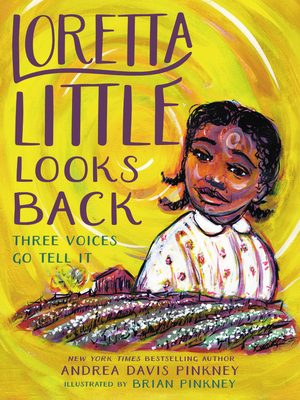
Cover image of Loretta Little Looks Back

Loretta Little Looks Back by Andrea Davis Pinkney, illustrated by Brian Pinkney (9780316536776)

This novel offers first-person monologues from three generations of a Black family from Mississippi. They are a sharecropper family, caught in the aftermath of slavery and the cycle of poverty that resulted. Starting in 1927, Loretta tells the story of growing up picking cotton on land her family did not own. Her loving father died from exposure to the pesticides they sprayed in the fields. He gave her sapphire socks made with his own hands and she placed her other most valuable possession inside them, a marble that glowed like the sun. Loretta found Roly left outside as an infant. He grew into a boy who had a way with plants and animals. When the family got their own plot of land, they were attacked at night by someone who brutalized their animals, killing most of them, and poisoned their land. Roly slept out in the fields, hoping to draw the poison out and return the land to fertility. Then he caught the eye of Tess, a girl who he eventually married and had a daughter with. Aggie was that daughter, a girl who would not back down, much as her father would not make a hasty decision. Aggie fought for the right to vote even when she was not old enough to. She and Loretta worked together to pass the racist voting test and then to pay the toll tax. Beaten by police, Aggie finds comfort in the sapphire socks and the glow of the marble passed down to her. Just like the others in her family, she never stopped and never gave up.

Told in three distinct voices that speak directly to the reader, this novel takes a direct look at the systemic racism that has created such privilege for some and injustice for others. The use of monologues is brilliant, as the voices come through to the reader with real clarity, each speaking from their personal experience and from history. There is a sense of theater to the entire novel, helped by the introduction to each chapter that give stage directions and offers a visualization of how this would appear on stage. Often these are haunting images, transformative and full of magical realism.

The three characters are marvelously individual, each with their own approach to life, each facing daunting challenges and each ready to take those on, though in their own way. It is telling that as each new generation entered to become the new main narrator, I felt a sense of loss as the other moved off stage, since each was such a compelling character and each had more to share. I was pleased to see they stayed as part of one another’s stories all the way to the end of the novel.

Incredible writing, important civil right history, and a brilliant cast of characters make this novel glow. Appropriate for ages 9-12.

Reviewed from library copy.
This Is Your Time by Ruby Bridges

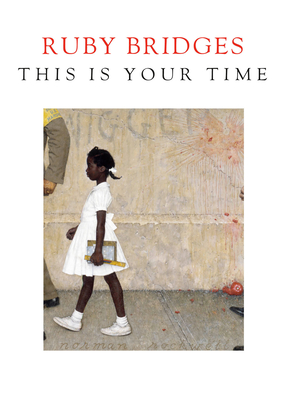
Cover image for This Is Your Time

This Is Your Time by Ruby Bridges (9780593378526)

At age six, Ruby Bridges was the first Black child to attend an all-white elementary school in New Orleans. She had to be escorted to school by federal marshals, leading to iconic photographs of her small size and the screaming, threatening crowds. In this book for children, Bridges tells the story of her harrowing time attending school, how she was taught in a classroom all by herself with a teacher who made her feel safe and loved, and how it felt to be that little girl. Filled with historical photographs, the book shows and explains the battle for desegregation across the country and also the modern fights for equity, inclusion and antiracism.

This is one of those books that gives chills. It is a profoundly moving read as Bridges shares photos that demonstrate the intensity of the battle, the danger she was in, and the bravery that it took her and her family to take such a public stand for change. As Bridges moves into talking about modern youth and their battles, she maintains the same tone, challenging all of us to join us in the fight for civil rights and social justice.

The photographs and the iconic Norman Rockwell picture add a deep resonance to this book, taking Bridges’ beautifully written words and elevating them. The photo selection is done for the most impact, at times mixing modern and historical photographs together to show how little has changed but also how important the fight is.

One of the most important books of the year, this brings history and future together in one cry for justice. Appropriate for ages 9-12.

Reviewed from e-galley provided by Random House Children’s Books.

Black Lives Matter Books for Kids and Teens

Here are some great books that speak to the importance of the Black Lives Matter movement, the righteous anger we are seeing on the streets, America’s long history of racism, and voices that have always been worth investing in and listening to:

PICTURE BOOKS

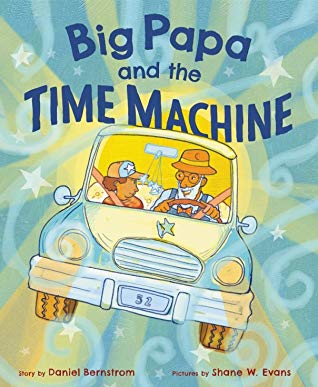
Big Papa and the Time Machine by Daniel Bernstrom

Big Papa and the Time Machine by Daniel Bernstrom, illustrated by Shane W. Evans

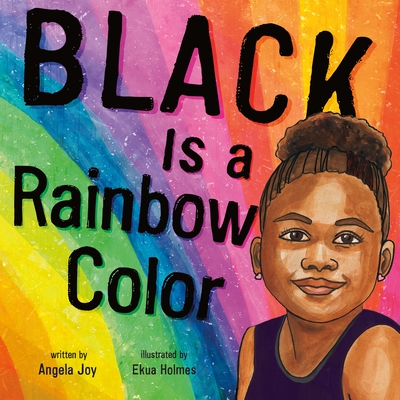
Black Is a Rainbow Color by Angela Joy

Black Is a Rainbow Color by Angela Joy, illustrated by Ekua Holmes

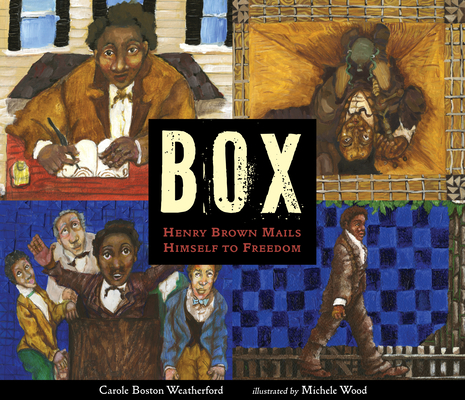
Box Henry Brown Makes Himself to Freedom by Carole Boston Weatherford

Box: Henry Brown Mails Himself to Freedom by Carole Boston Weatherford, illustrated by Michele Wood

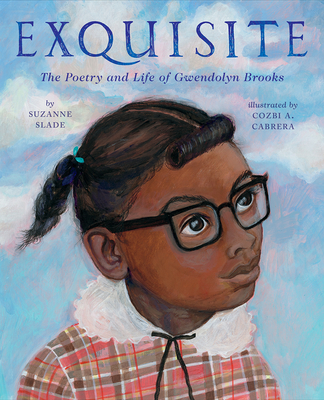
Exquisite The Poetry and Life of Gwendolyn Brooks by Suzanne Slade

Exquisite: The Poetry and Life of Gwendolyn Brooks by Suzanne Slade, illustrated by Cozbi A. Cabrera

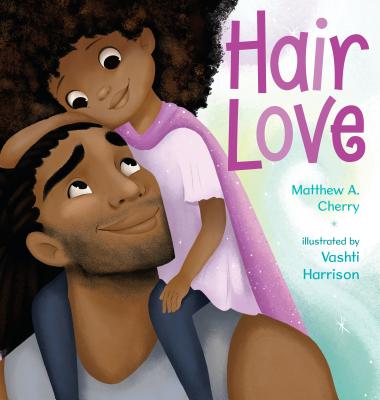
Hair Love by Matthew A. Cherry

Hair Love by Matthew A. Cherry, illustrated by Vashti Harrison

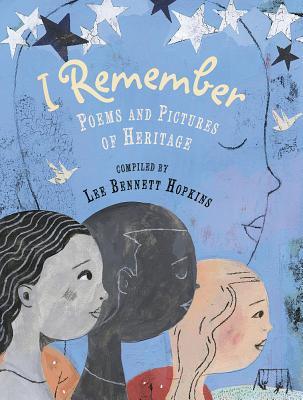
I Remember Poems and Pictures of Heritage compiled by Lee Bennett Hopkins

I Remember: Poems and Pictures of Heritage compiled by Lee Bennett Hopkins

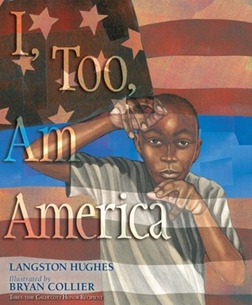
i too am america

I, Too, Am America by Langston Hughes, illustrated by Bryan Collier

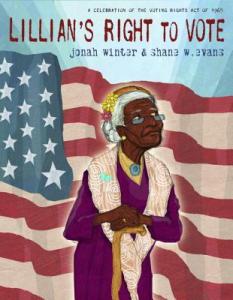
Lillians Right to Vote by Jonah Winter

Lillian’s Right to Vote by Jonah Winter, illustrated by Shane W. Evans

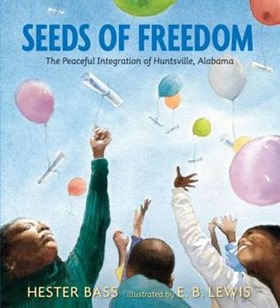
seeds of freedom

Seeds of Freedom: The Peaceful Integration of Huntsville, Alabama by Hester Bass, illustrated by E. B. Lewis

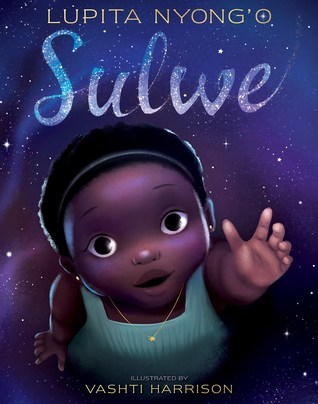
Sulwe by Lupita Nyong’o

Sulwe by Lupita Nyong’o, illustrated by Vashti Harrison

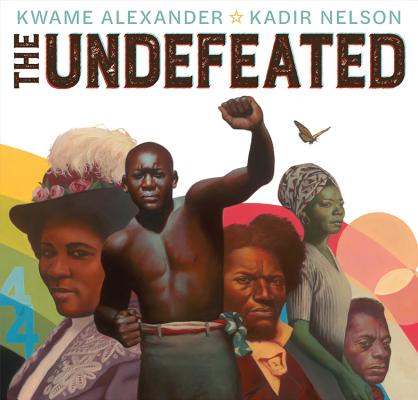
The Undefeated by Kwame Alexander

The Undefeated by Kwame Alexander, illustrated by Kadir Nelson

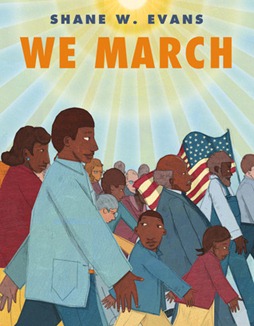
we march

We March by Shane W. Evans

MIDDLE GRADE BOOKS

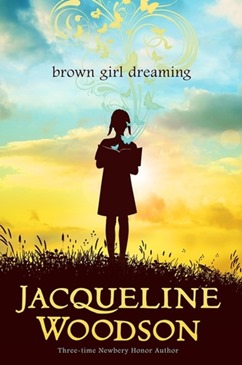
brown girl dreaming

brown girl dreaming by Jacqueline Woodson

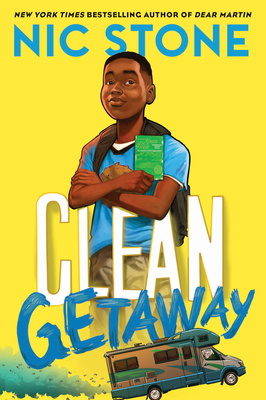
Clean Getaway by Nic Stone

Clean Getaway by Nic Stone

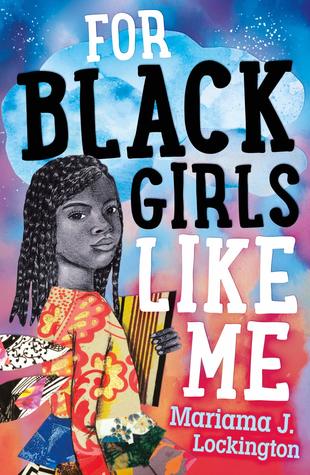
For Black Girls Like Me by Mariama J. Lockington

For Black Girls Like Me by Mariama J. Lockington

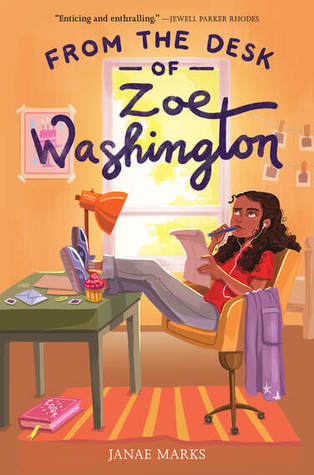
From the Desk of Zoe Washington by Janae Marks

From the Desk of Zoe Washington by Janae Marks

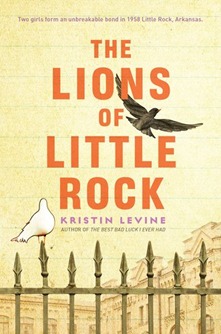
lions of little rock

The Lions of Little Rock by Kristin Levine

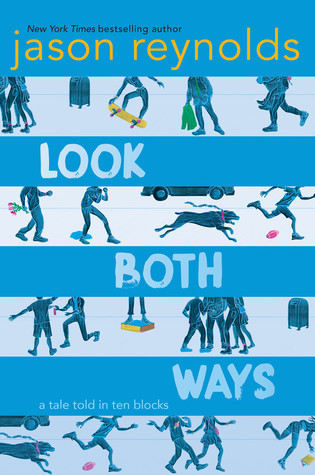
Look Both Ways by Jason Reynolds

Look Both Ways by Jason Reynolds

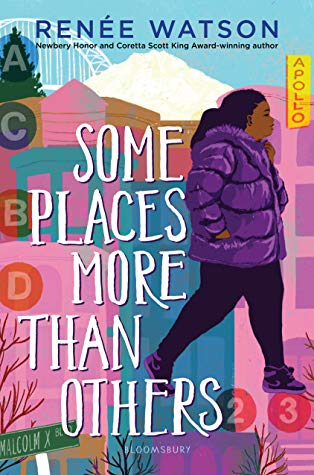
Some Places More Than Others by Renee Watson

Some Places More Than Others by Renee Watson

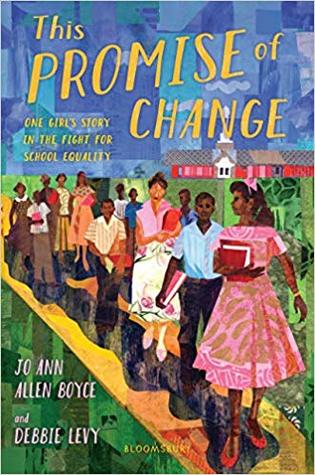
this promise of change by jo ann allen boyce and debbie levy

This Promise of Change: One Girl’s Story in the Fight for School Equality by Jo Ann Allen Boyce and Debbie Levy

When Thunder Comes: Poems for Civil Rights Leaders

When Thunder Comes: Poems for Civil Rights Leaders by J. Patrick Lewis, illustrated by Jim Burke, R. Gregory Christie, Tonya Engel, John Parra, and Meilo So

TEEN BOOKS

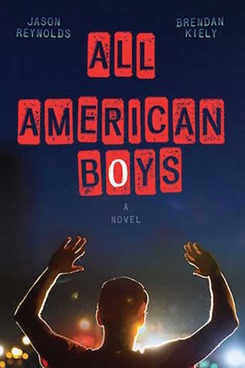
All American Boys by Jason Reynolds

All American Boys by Jason Reynolds and Brendan Kiely

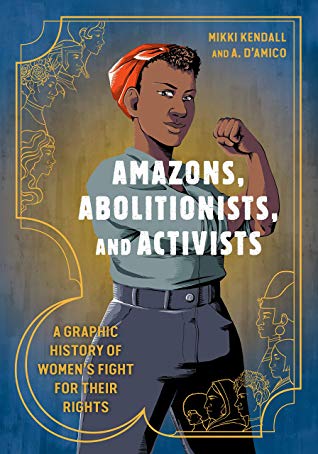
Amazons, Abolitionists, and Activists by Mikki Kendall and A. D’Amico 

Amazons, Abolitionists, and Activists: A Graphic HIstory of Women’s Fight for Their Rights by Mikki Kendall and A. D’Amico

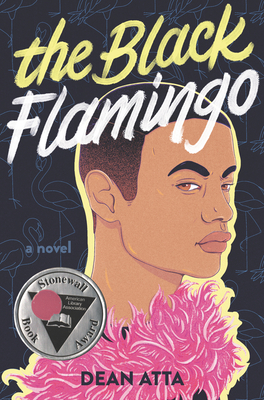
The Black Flamingo by Dean Atta

The Black Flamingo by Dean Atta

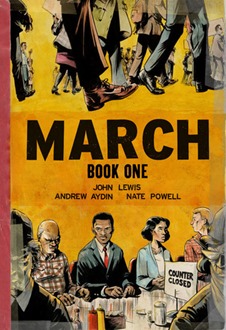
march

March: Book One by John Lewis and Andrew Aydin, illustrated by Nate Powell (and the entire trilogy)

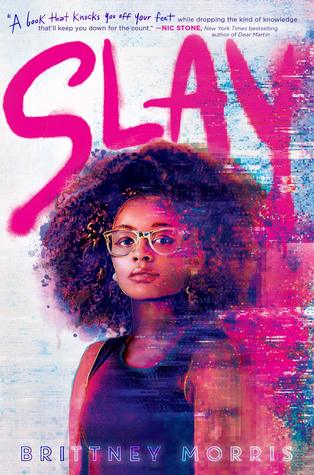
Slay by Brittney Morris

Slay by Brittney Morris

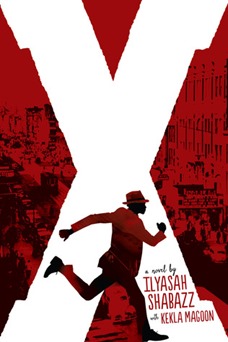
x

X by Ilyasah Shabazz and Kekla Magoon

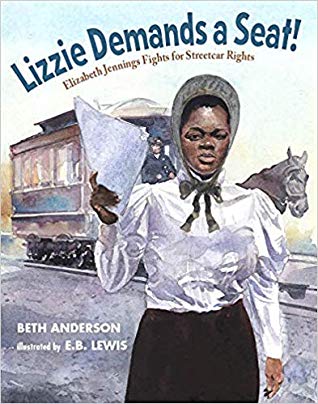
Lizzie Demands a Seat: Elizabeth Jennings Fights for Streetcar Rights by Beth Anderson

Lizzie Demands a Seat Elizabeth Jennings Fights for Streetcar Rights by Beth Anderson

Lizzie Demands a Seat: Elizabeth Jennings Fights for Streetcar Rights by Beth Anderson, illustrated by E. B. Lewis (9781629799391)

In 1854, Lizzie Jennings boarded a streetcar in New York City. In that time, there was segregation on public transportation which was a custom not a law. Certain cars were marked for “colored people” and others were for white people who could allow people of color to ride, or not. So Lizzie didn’t know if she would be allowed to ride the car she boarded. No passengers disputed her right to ride, but the conductor did. He forced her off the car and when she argued and boarded again, the police were called. Lizzie was educated as a teacher and her family had fought for their civil rights, so she decided to fight back in court and sued the streetcar company. She even had a white passenger who offered to be a witness to the way she was treated that day. In the end, Jennings won a landmark case for civil rights in public transportation. It didn’t fix every streetcar in New York right away, but led to other people fighting for their rights to ride too. 

Anderson takes one of the first legal victories against segregation and creates a dynamic look at a critical moment in our national history. This little-known event, particularly compared to Rosa Parks, helps set the stage for the civil rights movement that followed. Lizzie also breaks stereotypes of African Americans on her time period with her level of education and wealth. 

The illustrations are done in watercolor with amazing backgrounds that illuminate the scenes with their inspiring colors. Lizzie and her battle are surrounded by swirls of peach, lavenders, pinks and blues with her at the center, calm and composed. 

A stirring picture book that captures early civil rights efforts. Appropriate for ages 6-9.

Reviewed from library copy.
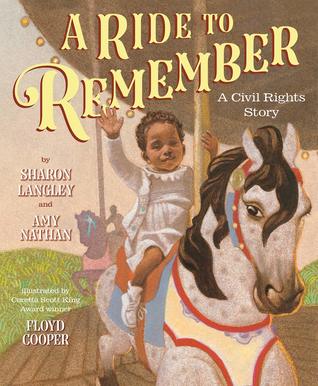
Review: A Ride to Remember by Sharon Langley

A Ride to Remember by Sharon Langley

A Ride to Remember by Sharon Langley and Amy Nathan, illustrated by Floyd Cooper (9781419736858)

Back in the 1960’s, African-Americans were not allowed to enter the Gwynn Oak Amusement Park in Baltimore. They were not allowed to sit on the grass, share treats or ride on the carousel. As the world around them began to change and become less segregated, Gwynn Oak continued its policies. They became the center of protests where hundreds were arrested. A mother and child who were African American and light skinned covertly entered the park and were allowed to enjoy themselves for hours. They shared their story with the press. As the pressure built, the park’s owners agreed to allow everyone into the park and to drop any charges from the protests. The first day the park was open was August 28, 1963. That day, a little girl named Sharon Langley, was the first African-American to ride the carousel with her father holding onto her. A photo of the ride made the papers as did the other major news story of the day, when Martin Luther King, Jr. made his iconic “I Have a Dream” speech. The carousel was moved to Washington, D. C. where Sharon took a ride on the fiftieth anniversary of her first ride in Baltimore.

The authors make a point of framing the tumultuous 1960’s for young readers. They have a child ask questions about why African-Americans were not allowed to enter the park. This is such an important moment in the book, giving modern children a lens into the inherent societal racism of the time, racism that is not erased in our modern society either, of course. They then turn to the protests about the park, showing the bravery of the people who protested, who went to jail, and who insisted on staying overnight to make a point. The body of the book does a great job offering historical perspective as well as details about the protests and efforts to desegregate the park. More information is also shared in the final pages, including more details of the events in the book, a bibliography and a timeline.

Cooper’s art is done with a lush softness to the lines. He used oil erasure on illustration board to capture an almost sepia-toned historical feel. The faces he shows of the people involved are tremendously moving, showing that this was about people insisting on change.

In a single story, children will deeply understand what the civil rights struggle was about. Appropriate for ages 5-9.

Reviewed from copy provided by Abrams.

Review: Clean Getaway by Nic Stone

Clean Getaway by Nic Stone

Clean Getaway by Nic Stone (9781984892973)

In her first middle grade novel, Stone takes readers on a trip across the southern United States in an RV. Scoob’s spring break has been ruined by getting in trouble at school until his grandmother shows up in her new RV and offers to take him on a road trip. The two of them travel together, retracing the trip that Scoob’s grandmother and grandfather took together. The two of them had big plans, but were unable to visit many of the sights because of their interracial relationship, segregation and general prejudice and racism. Scoob has never met his grandfather who died in prison after being convicted of being a jewel thief. On their trip together, Scoob begins to notice that his grandmother’s memory is slipping, that sometimes she doesn’t know who he is, and that she just might be pocketing some gems herself! She is also switching the license plates on the Winnebago and not answering her phone. When Scoob sees himself on the news as being kidnapped, he knows that everything has gone wrong once again in his spring break plans. 

Stone’s skill as a writer really shows in this shorter format. She writes with a deep empathy for both grandchild and grandmother, giving them both a real humanity. Her book offers insight into Civil Rights history and looks specifically at racism towards interracial marriages and families. But it is the history of this family itself that makes the book special. Laced with guilt, memories and anger, the story is unique but also universal, though it likely has more sparkle than most family tales. 

Stone writes with a great sense of humor as well that will appeal to middle grade readers. There is a little mystery at play too, both about his grandmother’s role in the thefts but also about how Scoob got himself into trouble. The book sets a brisk pace, unlike the Winnebago itself. 

A modern look at social justice history, race and families. Appropriate for ages 9-12.

Reviewed from copy provided by Random House Children’s Books.

Review: Amazons, Abolitionists, and Activists by Mikki Kendall and A. D’Amico 

Amazons, Abolitionists, and Activists by Mikki Kendall and A. D’Amico 

Amazons, Abolitionists, and Activists: A Graphic HIstory of Women’s Fight for Their Rights by Mikki Kendall and A. D’Amico (9780399581793)

Take a trip back through women’s history to discover queens, warriors, suffragettes, and much more! This graphic novel is set in the future and has a computer instructor who takes a group of girls back in time to understand the basis of women’s rights around the world. The book starts by looking deep into human history with the Assyrians, Mesopotamians, Eqyptians, Greeks and much more. The book then shows how the rise of the patriarchy eclipsed early women’s rights and replaced it with much more like what we see still today. The book moves forward in time, taking female rulers and warriors from around the world. There is also an exploration of civil rights as well as LGBTQ rights in the book that increases the representation of diverse experiences even farther. 

Kendall’s writing could have simply become a lengthy list of women from history, but she weaves a deeper narrative throughout. It also helps that she includes history as far back as she does. The supportive nature of those early societies is likely to surprise modern readers. Kendall works with intentionality to offer as diverse a cross-section of women as she can. They come from all over the world and represent many different countries, continents and races. Even more impressive is the way that Kendall is frank about the shortcomings of many of the women, acknowledging openly their open racism or unwillingness to challenge the status quo for others besides themselves. 

The art is great. The number of portraits in the book is daunting in its scope. Those women who are familiar visually are recognizable immediately. The additional information on each woman also offers vibrant images of their lives. The more tragic events are documented in more subtle tones, offering a visual cue that something dire has happened. 

A stellar graphic piece of nonfiction. Appropriate for ages 12-15.

Reviewed from library copy.
Review: A Place to Land by Barry Wittenstein

A Place to Land by Barry Wittenstein

A Place to Land by Barry Wittenstein, illustrated by Jerry Pinkney (9780823443314)

This book focuses on Martin Luther King, Jr’s “I Have a Dream” speech but in a fresh and unique way. It looks at the difficulty of writing such an important speech to be delivered before such a huge crowd. It offers glimpses of King working with a group of advisors and speech writers to come up with the right approach. Then King heads off with only one other person and works all night on his speech. He stands in front of America and gives the speech of his life, the entire thing not coming together and offering him a place to land until he is encouraged to talk about the dream and he leaves his carefully written speech behind and flies.

Written almost as a poem, this picture book offers a look at how the historic speech came to be. It shows the night before the speech in 1963, the early morning hours of writing, and finally the afternoon before of still sculpting the words, the rhythms and the rhymes. And then, powerfully, it shows leaving that carefully written script behind and following the pastors of his family into glory.

Pinkney’s illustrations are so personal and filled with strength. Readers can look into the weary eyes of King as he continues to draft the speech despite not sleeping the night before. They can see the diverse crowd gathered in Washington, D.C. and almost hear the noise of it. They can certainly hear the echoes of King’s voice emerge from the images on the page as his voice soars.

Superb both in writing and illustration, this is one for every library. Appropriate for ages 6-9.

Reviewed from library copy.
Review: Thurgood by Jonah Winter

Thurgood by Jonah Winter

Thurgood by Jonah Winter, illustrated by Bryan Collier (9781524765347)

From the time he was a small boy, Thurgood Marshall was destined to be a lawyer. He even convinced his parents to have his name legally changed from Thoroughgood to Thurgood at age six. Thurgood faced racism growing up in Baltimore in the 1920’s. He had to attend the overcrowded Colored High School which had no library, gym or cafeteria. His father worked at jobs where he served wealthy white customers, including at a country club that did not allow black people to be members. His father also taught him to debate and argue ideas. When he attended Lincoln University, Thurgood was loud, funny and a great arguer. He went to law school at Howard University where he learned to fight for civil rights in court. His first major legal fight was to force his top pick law school to accept black students. Again and again, Thurgood fought to create laws that focused on equality for all.

A picture book biography that tells the story of the youth and upbringing and early legal cases of the first African American on the Supreme Court, this book really celebrates how he became a weapon for civil rights. Winter makes sure to keep the inherent racism in the society at the forefront, pointing out moments in Thurgood’s life when he was targeted and almost killed. The resilience and determination on display throughout his life is inspiring.

Collier’s art is done in a mix of watercolor and collage. Using patterns and textures, Collier builds entire worlds from paper, from a ruined movie theater to haunting segregated schools. The illustrations are powerful and add much to this story of racism and fighting back.

Strong and compelling, this biography belongs in every library. Appropriate for ages 7-10.

Reviewed from e-galley provided by Schwartz & Wade Books.